

Now Reading: How to Change Your Party Affiliation: Tips for a Smooth Transition
- 01
How to Change Your Party Affiliation: Tips for a Smooth Transition

How to Change Your Party Affiliation: Tips for a Smooth Transition
Understanding Party Affiliation
Party affiliation denotes an individual’s alignment with a particular political party. This concept plays a crucial role in the democratic process, influencing a person’s voting behavior, engagement in primaries, and representation within government structures. Individuals often choose to associate with a political party that resonates with their values, beliefs, and policy preferences. Therefore, understanding party affiliation becomes essential for active participation in the political landscape.
Moreover, party affiliation can shape the public’s perception of political candidates and their policies. Political parties often serve as a platform that offers a coherent set of ideas and values. This foundation allows voters to identify candidates who reflect their ideological leanings. For many, it creates a sense of community and shared purpose among those who hold similar beliefs. This communal aspect can significantly enhance civic engagement, as individuals feel more empowered to participate in discussions and mobilize around common goals.
Additionally, the significance of party affiliation is evident during primary elections, where voters often choose to align themselves with the party whose primaries they wish to participate in. Many states enforce closed primaries, meaning that only registered party members can vote for candidates in their respective parties. This practice underscores the importance of one’s party affiliation, as it can determine the candidates that will appear on general election ballots. Therefore, making an informed decision about party affiliation is vital for those who wish to have a voice in the political process.
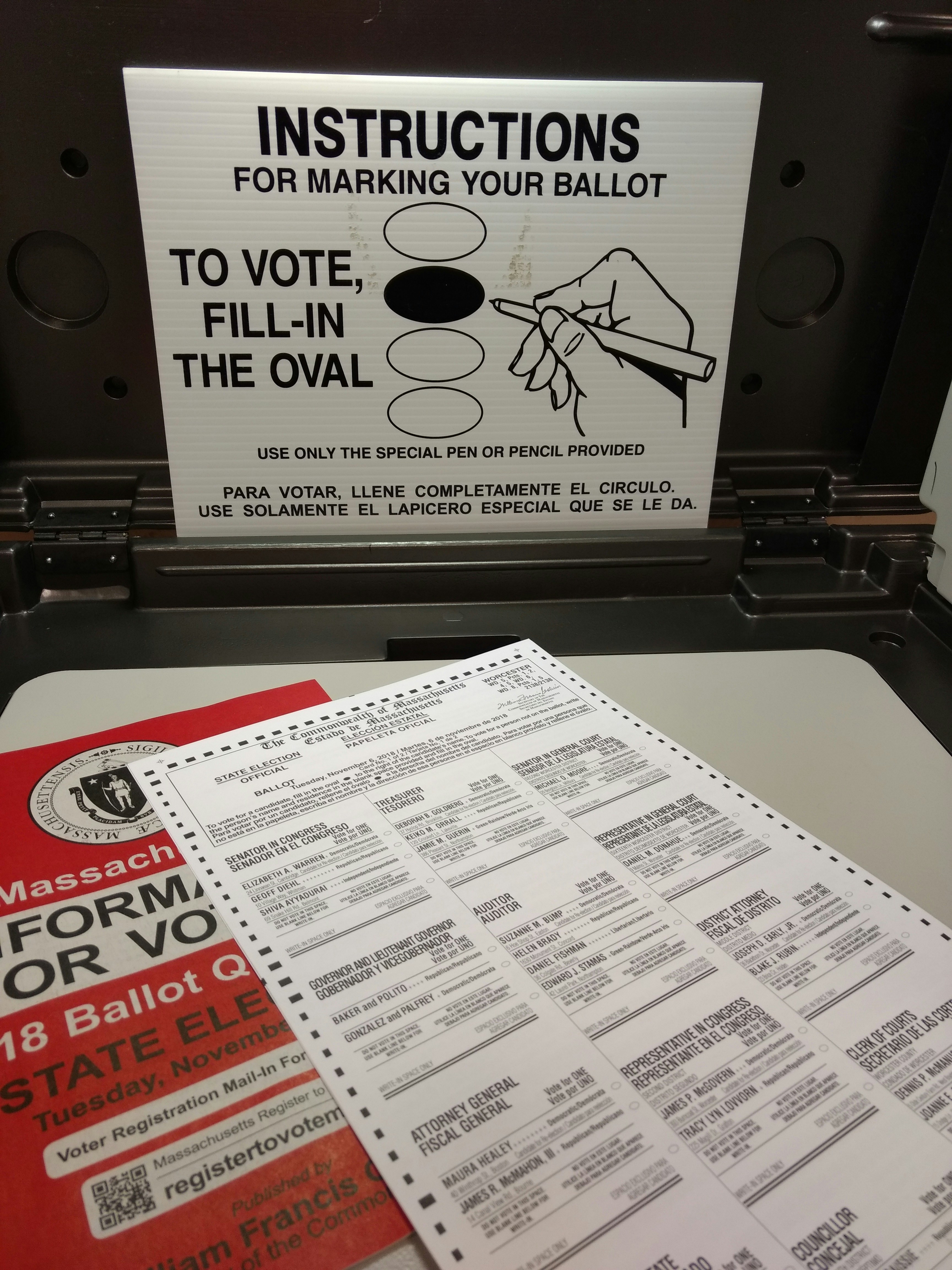
In summary, an understanding of party affiliation not only enhances one’s ability to engage meaningfully in the political discourse but also empowers voters to advocate for policies aligned with their beliefs, ultimately impacting representation and governance.
Steps to Change Your Party Affiliation Online
Changing your party affiliation online is a process that varies by state, and it requires you to follow specific steps to ensure that your change is processed correctly. First and foremost, it is essential to identify your state’s election office website, as this will serve as your primary resource for the necessary forms and specific guidelines related to changing your party affiliation.
The first step in this process typically involves creating or accessing your account on the state election office’s portal. Some states allow users to update their party affiliation directly from a voter registration account, while others may require you to fill out a specific form. Make sure to have your personal information handy, including your full name, address, date of birth, and potentially your driver’s license number or Social Security number.
Next, locate the section dedicated to voter registration or party affiliation. This area of the website should provide clear instructions and a link to the form needed for changing your party affiliate status. Complete the form thoroughly, ensuring that you select your new party affiliation accurately. Some states may provide you with options such as Republican, Democrat, Independent, or other affiliations, so be sure to choose the one that aligns with your beliefs.
Once you have submitted your form online, keep an eye out for confirmation. Some states send a confirmation email or notification that will confirm your change has been processed. If you do not receive confirmation within a reasonable timeframe, it is advisable to follow up with your local election office to ensure that your request has been received and processed, thus avoiding potential issues on election day.
Remember that deadlines may apply, especially around election periods. Inadequate timing might prevent you from voting in the next election cycle under your new party affiliation. To avoid pitfalls, always check your state’s regulations and make any necessary changes well in advance of any upcoming elections.
Changing Your Party Affiliation In Person
To change your party affiliation in person, you will generally need to visit your local election office. This office is typically located within a government building such as your town hall or county clerk’s office. It’s advisable to check your local election office’s website or contact them directly to confirm their operating hours, as availability may vary.
When you go to change your party affiliation, it is essential to bring the required identification and any specific forms that your local election office may require. This typically includes a valid photo ID or proof of residency, as well as a completed form for changing party affiliation. Many local election offices provide these forms on their websites, allowing you to fill them out before your visit. It may also be beneficial to print a copy of the regulations regarding party affiliation changes, which can often be found on these websites.
Upon arrival at the election office, you will need to ask for assistance from the staff. They will guide you through the process and ensure that your submitted materials are complete and meet all necessary requirements. It is crucial to pay attention to any deadlines associated with party affiliation changes, especially if there is an impending election. In many regions, there are specific cut-off dates for changing party affiliation before primary elections, which can vary from one state to another. Being aware of these deadlines helps ensure that your change is processed in time for you to participate in the upcoming events.
Potential Implications of Changing Your Party Affiliation
Changing one’s party affiliation can have significant implications, both politically and socially. From a political standpoint, the most immediate effect is on a person’s voting rights, particularly in the context of primary elections. Many states operate under closed or semi-closed primaries, which means that only registered party members can vote in that party’s primary elections. By switching party affiliation, an individual may find themselves barred from participating in primaries for their previous party, which can have a substantial impact on their influence during crucial electoral periods.
Furthermore, changing party affiliation can alter an individual’s access to party resources, events, and local party leadership positions. This shift may either provide new opportunities or create obstacles depending on the political landscape of the new party one aligns with. For example, an individual transitioning from a more moderate to a more polarized party may experience more significant changes in participation opportunities and support within their community.
Socially, the ramifications can also be profound. Aligning with a new political party can lead to altered relationships with friends, family, and colleagues. Personal anecdotes illustrate this dynamic; for instance, Jane, who switched from the Democratic Party to the Libertarian Party, reported feelings of isolation from long-standing friends who did not understand her decision. Conversely, many individuals like Mark, who transitioned from a moderate stance to a more progressive affiliation, found a newly supportive community that aligned closely with their values.
As one navigates the decision to change party affiliation, the implications of this choice should be considered carefully. From the immediate changes in voting rights to more far-reaching social effects, understanding these nuances can facilitate a smoother transition.