
Now Reading: Galveston Margaritaville resort takes shape, reviving concerns over nearby environment – Houston Public Media
- 01
Galveston Margaritaville resort takes shape, reviving concerns over nearby environment – Houston Public Media

Galveston Margaritaville resort takes shape, reviving concerns over nearby environment – Houston Public Media

Julianna Washburn/Houston Public Media
Shortly after the controversial Discovery Sands development got a green light from the Galveston City Council to move forward with zoning variances, residents turned their eyes to the opposite side of the island where another controversial development is making tangible progress.
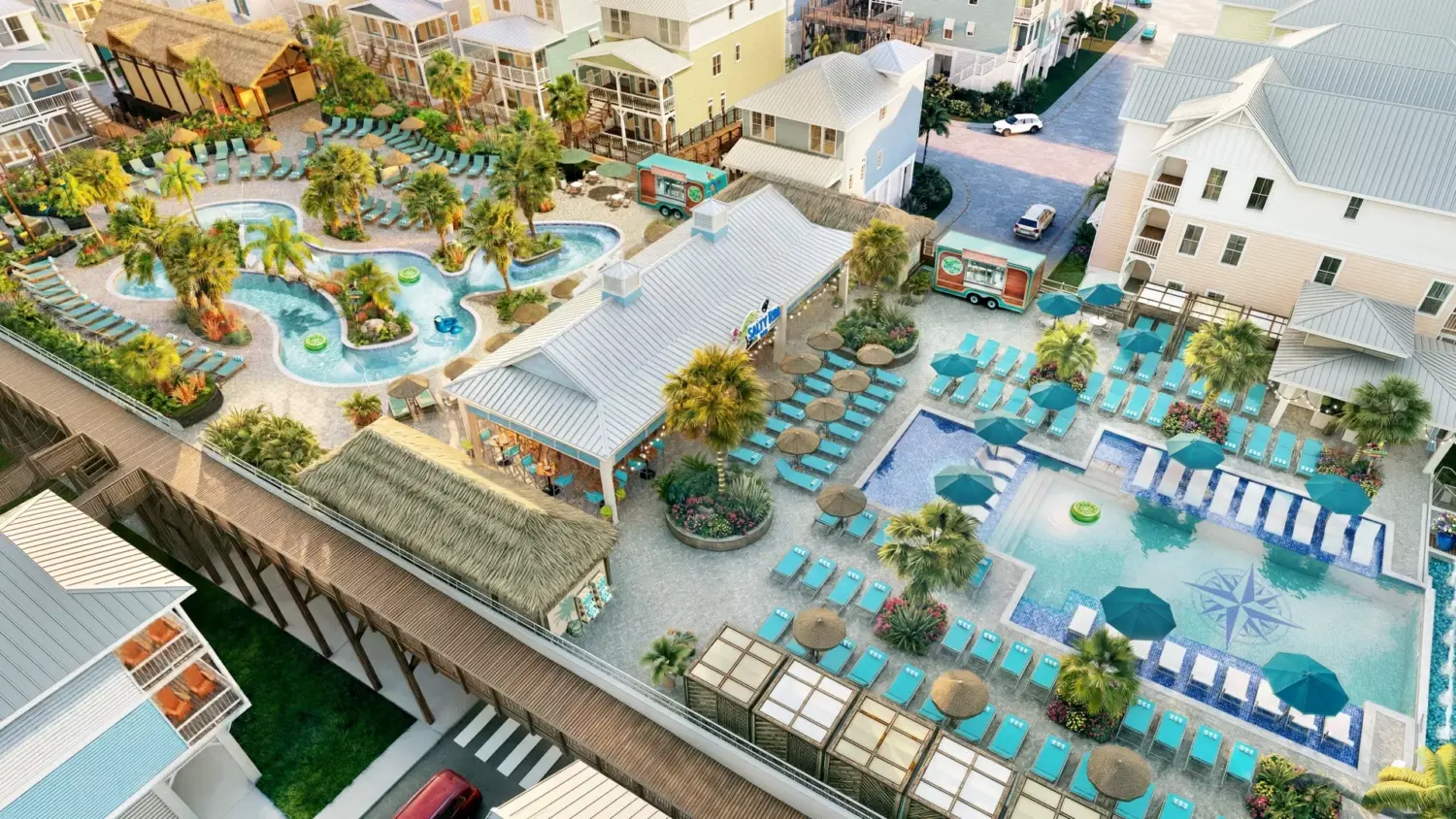
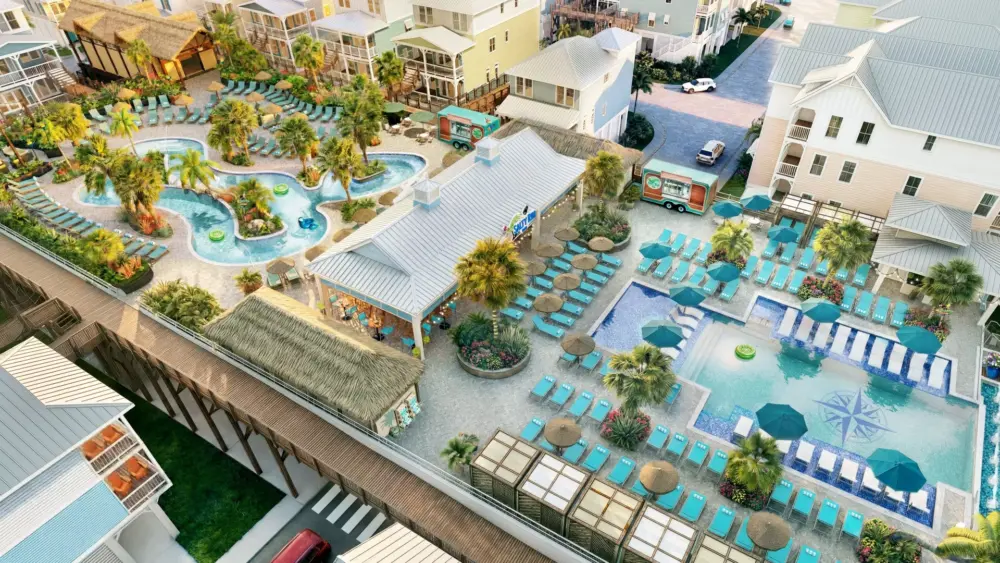
Two cottages recently popped up as part of the 95-acre Margaritaville Beach Cottage Resort development on the east side of Galveston Island. The $700-$800 million project is slated to include a 15-story hotel, 278 beachfront cottages, lazy rivers and pickleball courts, according to Dallas-based developer RREAF Holdings.
Residents first learned about the Margaritaville Beach Cottage Resort development back in 2023, according to the Galveston County Daily News. The development initially faced controversy about its potential impact on wildlife and the environment in the area, but continued moving forward, ultimately getting a construction permit from Galveston city staff in November 2023, according to the news report.
The new cottages, which were installed in July, are the first signs of tangible progress for the development, and it reignited some concerns from residents, like Sidney Farmer, who lives close to the future resort.
Farmer is worried about the resort bringing increased traffic and disrupting the area’s existing character, which he said is a popular place for residents to take walks and collect shells along the beach.
“It would be one thing if they were building freestanding, lovely homes … and had a limited amount of entertainment business, but I just think it would really be detrimental to the ambiance of east Galveston Island,” Farmer said.
Provided by Margaritaville Hotels & Resorts
Another sprawling concern among residents is the development’s threat to wildlife, especially the rare ghost wolf population that resides in Galveston. Ghost wolves, or “fancy coyotes,” are a type of coyote that harbors DNA remnants of the critically endangered red wolf species, which were once thought to be extinct.
Researchers like Bridgette vonHoldt are working to save the dwindling red wolf species and believe the development works against that effort.
“The Margaritaville project overlaps an area used by the East Beach pack of ghost wolves. Thus, this inevitably means that there will be even more habitat of coastal vegetation and floodplain lost to construction of roads, buildings, parking, and landscaping,” vonHoldt said in an emailed statement to Houston Public Media.
VonHoldt, who is a co-founder of the Gulf Coast Canine Project, said the development’s potential interruption of travel corridors for the animals could force them onto roads or into residential areas, and increase collision risk for wildlife, which is an issue researchers are already grappling with on the west end of the island.

Julianna Washburn/Houston Public Media
In response to concerns about the development’s impact, a spokesperson for RREAF Holdings said via a statement to Houston Public Media that the company had invested in protecting the environment.
“Development will always bring up questions, but the facts are this: RREAF cares about Galveston’s future which is why we’ve met every requirement, invested beyond what’s required to protect the environment, dedicated land for wildlife preservation, and remain focused on working with the City of Galveston to building a new piece of the Galveston community that creates jobs, strengthens the local economy, and benefits the area for decades to come,” the spokesperson said.
RREAF Holdings officials said several environmental measures have been put in place, or proposed, as part of the project, including an Avian Protection Plan, investments in environmental consultancy and biological studies, a federal Beachfront Construction Certificate and Dune Protection Permit, and a U.S. Army Corps of Engineers permit covering the site’s wetland and coastal impacts.
The entire development is slated to be completed by the end of the decade, according to officials, with plans for residents to move into the cottages by 2027.