
Now Reading: Homeowner says Tesla inverter swap left ’15 holes and a crack’ in 1-year-old siding
- 01
Homeowner says Tesla inverter swap left ’15 holes and a crack’ in 1-year-old siding

Homeowner says Tesla inverter swap left ’15 holes and a crack’ in 1-year-old siding
A homeowner turned to the internet for advice after a routine solar equipment swap damaged their home.
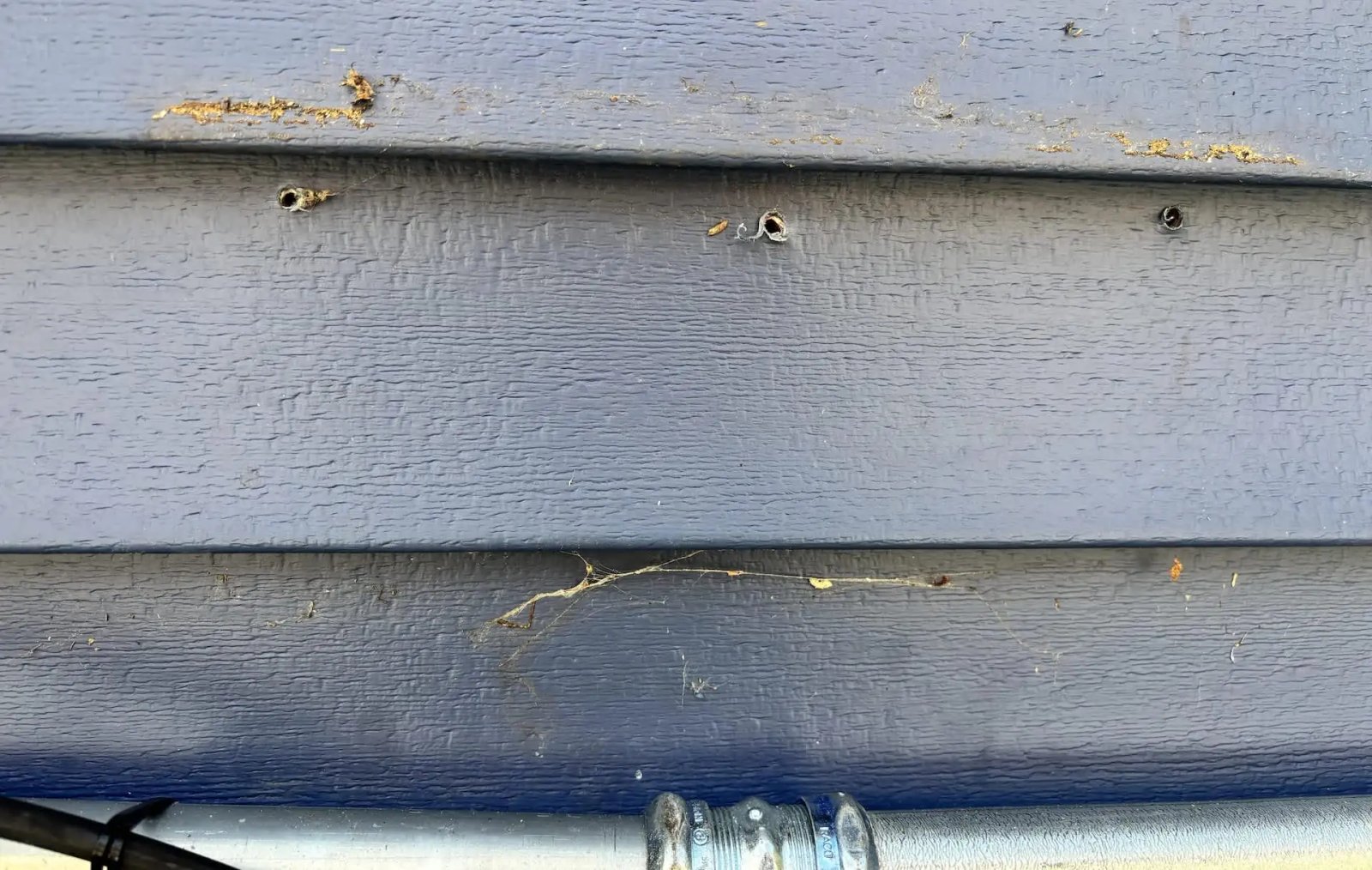
After Tesla swapped out a failed inverter, the homeowner said the job left several holes and a crack in siding that was only about a year old.
Here’s what to know
In a post on Reddit‘s r/TeslaSolar forum, the homeowner raised a basic, but often overlooked, question: if an inverter replacement leaves damage where the old unit was mounted, is Tesla responsible for fixing it?
After some commenters initially dismissed the original poster’s problem as being too minor to worry about, the OP added photos of the damage, explaining that their new siding now had “15 holes and a crack in it.”
As the discussion grew, it shifted to the broader debate over who should cover the cost of making things right when solar installations or maintenance cause property damage.
Several commenters told the OP to focus on the language of their contract with Tesla.
“Read your contract,” encouraged one Redditor. “The details are in there.”
“They are responsible for damages but that’s debatable because it was a replacement so it’s technically not damage its remnants of the old system,” chimed in another.
Despite the frustration described in the thread, going solar remains one of the best ways to save money on home energy. Homeowners considering home solar can check out EnergySage to get free solar installation estimates and compare quotes.
More background
Service visits can turn into expensive headaches if installers remove older hardware and don’t fully patch or repair the surrounding area.
Exterior holes or cracks can lead to moisture issues, extra repair bills, and the hassle of coordinating with a company after the crew leaves.
Even relatively small siding repairs can add up if color matching, sealing, or replacing panels is required.
More From EnergySage
💡Go deep on the latest news and trends shaping the residential solar landscape
As for the OP, they found language in their contract that led them to believe that Tesla would be responsible for addressing the damage.
“My contract does state they will fix or pay for any damage caused to my property,” they said in the comments.
Despite the contract language, several commenters urged the OP to avoid the hassle and simply repair the damage themselves.
“If it were me, I would just buy a small tube of exterior silicone and touch up with some paint,” recommended one Redditor.
What can be done?
When facing property damage caused during a solar installation or repair, homeowners can protect themselves by documenting the damage with clear photos, saving all service records and correspondence, and reviewing the contract closely for any language about property repairs, exclusions, and how to file a claim.
It can also help to inspect the work before signing off that the job is complete.
For homeowners weighing whether or not to go solar, comparison tools like those offered by EnergySage can make a big financial difference. With EnergySage’s help, the average person can save up to $10,000 on solar purchases and installations.
Additionally, EnergySage’s solar map shows the average cost of a home solar panel system by state, along with details on solar panel incentives for each state. Together, these resources can help homeowners get the best price for rooftop solar panels and access available incentives.
Adding battery storage to a solar setup is one of the best ways to protect your home during outages, save on energy costs, and go off-grid. Homeowners interested in backup power can explore EnergySage for information about home battery storage options, including competitive installation estimates.
As for the OP, holding Tesla responsible was a matter of principle.
“I am aware of how to fix it, but in my opinion Tesla should be responsible for fixing it since I didn’t cause it,” they said.
Where can I learn more?
Other Tesla solar stories highlight how issues with a single repair visit can cause broader frustration for homeowners. These articles cover disputed installations, blocked projects, cost-saving system changes, and neighborhood-scale expansion.
• One homeowner said a botched Tesla Solar installation led to closed tickets and no fix.
• In one neighborhood, the HOA denied Tesla solar plans and left a homeowner frustrated.
• Some Tesla Solar Roof owners found grid revenue each month can offset home energy costs.
• Tesla and IronRidge unveiled a lower-cost rooftop system aimed at cutting installation expenses.
• Tesla said builders have created more than 600 solar neighborhoods across new developments.
Get TCD’s free newsletters for easy tips, smart advice, and a chance to earn $5,000 toward home upgrades. To see more stories like this one, change your Google preferences here.

Source link