

The Rise of AI in Social Justice
Artificial intelligence has emerged as a powerful tool in the ongoing struggle against racism, particularly in America. The technological advancements that accompany AI have created new avenues for addressing systemic discrimination and promoting inclusivity. By harnessing the analytical capabilities of AI, organizations and activists can objectively assess data, uncover patterns of bias, and implement measures that support social justice initiatives.
You May Also Like

One significant advantage of AI is its ability to process vast amounts of data with a level of precision that human analyses may lack. This capability allows for the identification of disparities in various sectors including law enforcement, healthcare, education, and employment. For instance, algorithms can analyze arrest records and highlight trends that suggest racial profiling or unequal treatment within the justice system. Similarly, in the workplace, AI can evaluate hiring practices and employee performance data to detect potential biases that disadvantage racially marginalized groups.
Notable initiatives such as predictive policing software and AI-enhanced risk assessment tools are currently being employed to reduce bias and enhance fairness. When implemented responsibly, these technologies have the potential to transform systems that have historically perpetuated racial inequities. Moreover, organizations like Data for Black Lives and the AI for Social Good program are developing frameworks to ensure that AI serves the interests of underrepresented communities, prioritizing ethical application and transparency.
The integration of AI in social justice efforts underscores a growing recognition of the need for data-driven solutions to combat racism. By leveraging these innovations, society can take significant strides towards fostering a more equitable landscape that benefits all individuals, irrespective of their racial backgrounds. This transformative approach aims to unify humanity in the pursuit of justice and equality for everyone.
AI’s Ability to Identify and Eliminate Bias
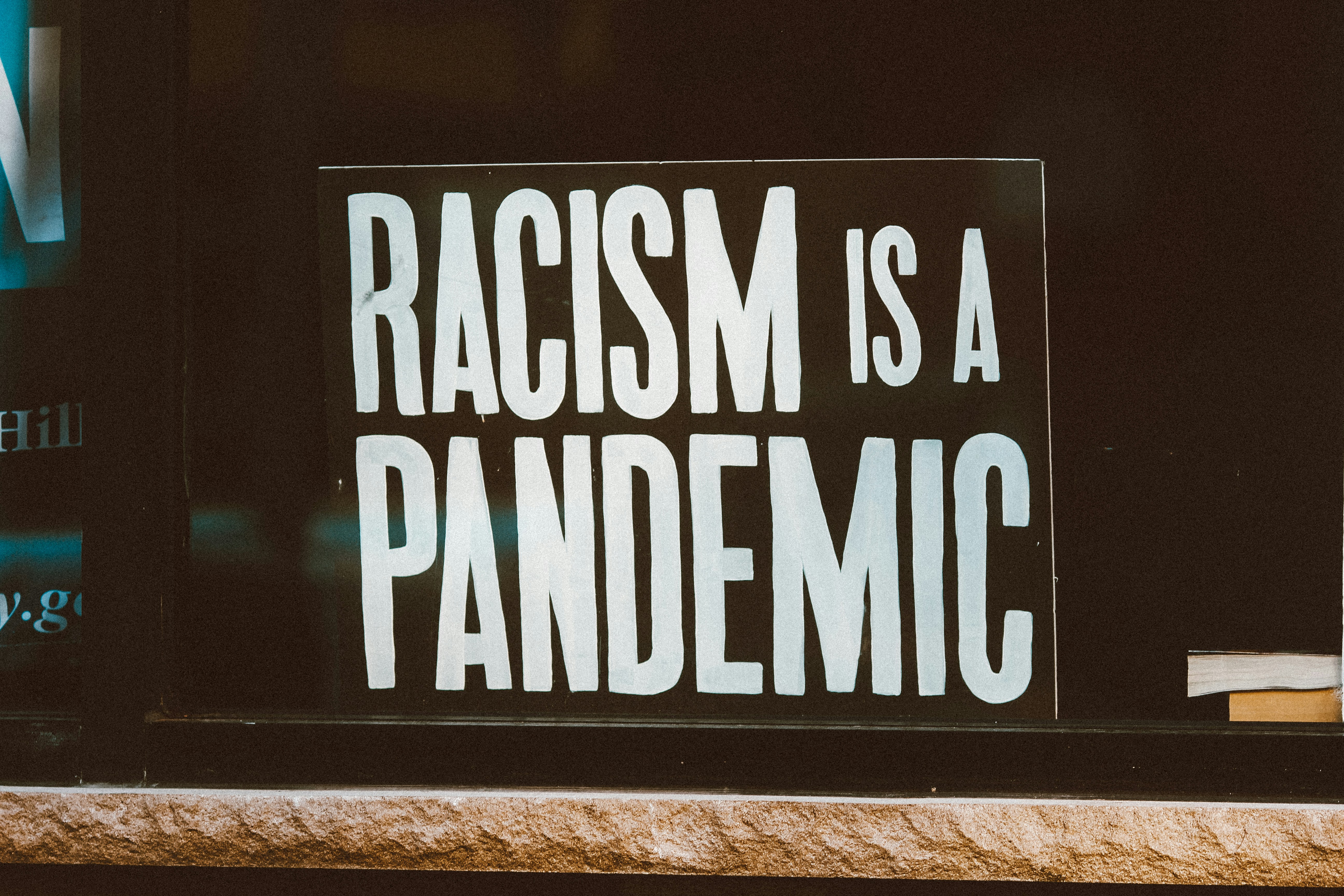
Artificial Intelligence (AI) has emerged as a powerful tool in identifying and addressing racial bias within various systems and processes. By harnessing the capabilities of machine learning and advanced algorithms, AI systems can analyze large datasets to uncover patterns that may indicate bias, allowing for informed decision-making aimed at fostering equality.
One way AI detects racial bias is through the examination of historical data, which often reflects societal prejudices. Algorithms can be designed to recognize when certain groups are disproportionately represented in negative contexts, such as criminal records or hiring practices. For instance, a study conducted by researchers at MIT revealed that AI algorithms used in facial recognition systems performed better for lighter-skinned individuals than for individuals with darker skin tones. By pinpointing these discrepancies, AI systems can prompt developers to refine their algorithms for improved fairness.
Additionally, AI can help combat bias in hiring practices. Tools that leverage AI to screen resumes and evaluate candidates can be trained to ignore demographic information, focusing instead on skills and qualifications. For example, platforms like Pymetrics utilize AI-driven games to assess candidates’ abilities without considering their gender or ethnicity, thereby promoting a more inclusive hiring process. In such scenarios, AI not only identifies existing biases but also offers solutions to help create equitable environments.
Real-world applications of AI in detecting and eliminating racial bias exemplify its potential to drive social change. Various organizations and institutions are increasingly adopting these technologies to ensure that their operations promote fairness, accountability, and transparency. By integrating AI thoughtfully into decision-making processes, society can move closer to a future free from racial discrimination.
Transforming Public Perception and Policy through AI
Artificial Intelligence (AI) holds the potential to reshape public perception regarding race and equality by offering data-driven insights that challenge stereotypes and biases. In a society where misinformation can prevail, AI serves as a critical tool that analyzes large datasets to uncover patterns linked to systemic racism. By providing empirical evidence, AI can illustrate the disparities faced by marginalized communities, helping to elevate their voices in societal dialogue.
Algorithms can be designed to sift through data sourced from various sectors, including education, healthcare, and criminal justice, revealing inequities that may otherwise remain hidden. These data-driven revelations can prompt public discussions about the implications of these disparities. AI’s ability to process and present comprehensive reports enables stakeholders, including lawmakers, to visualize the impacts of policy decisions on race and equality. Such insights are crucial in influencing policy reform.
Moreover, the use of AI-generated reports can inform decision-makers about the necessity for legislative changes aimed at eradicating systemic racism. For example, by analyzing educational outcomes across different racial groups, AI can demonstrate how specific policies perpetuate inequality, thereby guiding revised approaches that promote equity. These processes enhance accountability among policymakers, as they become more aware of the ramifications of their decisions.
In summary, the integration of AI into public discourse can play a transformative role in shaping perceptions of race and equality. By equipping society with insights backed by data, AI is not merely a tool for analysis but a catalyst for change. It fosters a greater understanding of the complexities surrounding systemic racism, pushing for informed conversation and reform that is essential for creating a more equitable society.
The Future of AI and a Unified Society
The potential of artificial intelligence (AI) in fostering a more united society is immense and multifaceted. As technology continues to progress, AI systems are increasingly being developed to prioritize inclusion and cultural sensitivity. These advanced systems are expected to facilitate unbiased communication, promote understanding, and highlight shared human experiences across diverse communities. With enhanced capabilities such as natural language processing and machine learning, AI can analyze vast amounts of sociocultural data, identifying patterns of bias that may otherwise go unnoticed.
Furthermore, a future where AI plays an integral role in combating racism hinges on collaboration among various stakeholders. Technologists are tasked with designing algorithms that incorporate ethical considerations and prioritize fairness. Activists can work alongside these technologists to ensure that the voices of marginalized communities are included in discussions surrounding AI development. Policymakers, too, hold a critical responsibility in creating regulations that encapsulate accountability for potential biases in AI systems. This interdisciplinary approach could serve as a foundational step toward using AI as a tool for societal empowerment and equality.
The advancements in AI technology could also include predictive analytics that help identify potential racially motivated conflicts before they escalate. By fostering early intervention strategies, AI can contribute to conflict resolution, enabling communities to engage in dialogue rather than division. As technology advances, there will likely be a greater emphasis on transparency in AI algorithms, which can demystify the decision-making processes and encourage public trust.
In conclusion, as AI continues to evolve, its capacity to combat racism and foster unity within society appears promising. By leveraging technological advancements and ensuring collaborative efforts across sectors, AI can truly become a catalyst for positive societal change, promoting understanding and bridging the gaps between different cultures and communities.
