

You May Also Like

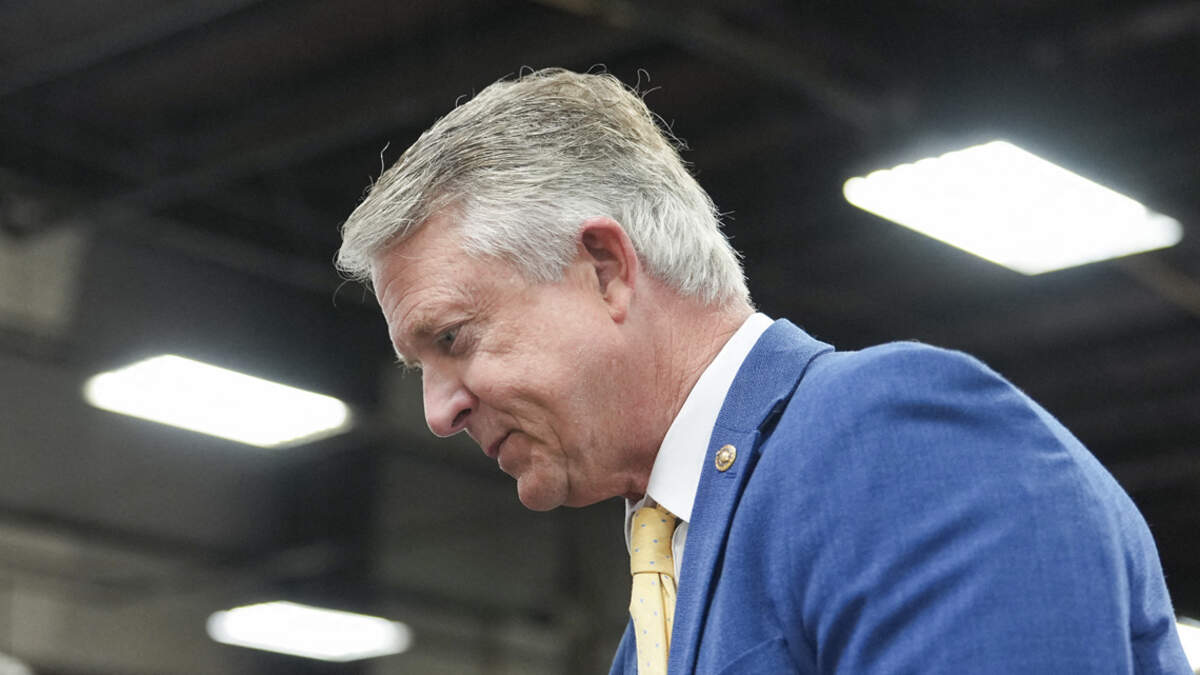
U.S. Sen. Roger Marshall, Republican from Kansas, interacts with a woman during an event with during an event with U.S. Vice President JD Vance at Milbank Manufacturing Company in Kansas City, Missouri, on May 18, 2026.
AFP via Getty Images
The race for the U.S. Senate seat in Kansas is coming down to the wire. Recent polling shows Democratic candidate Adam Hamilton with a slight lead over Republican incumbent Sen. Roger Marshall in the reliably conservative state.
The New York Times reports that recent polling shows Hamilton, a middle-of-the-road Democrat, with a 1% to 3% lead over Marshall, with just a month to go before Election Day. The Times’ own polling showed a tie.
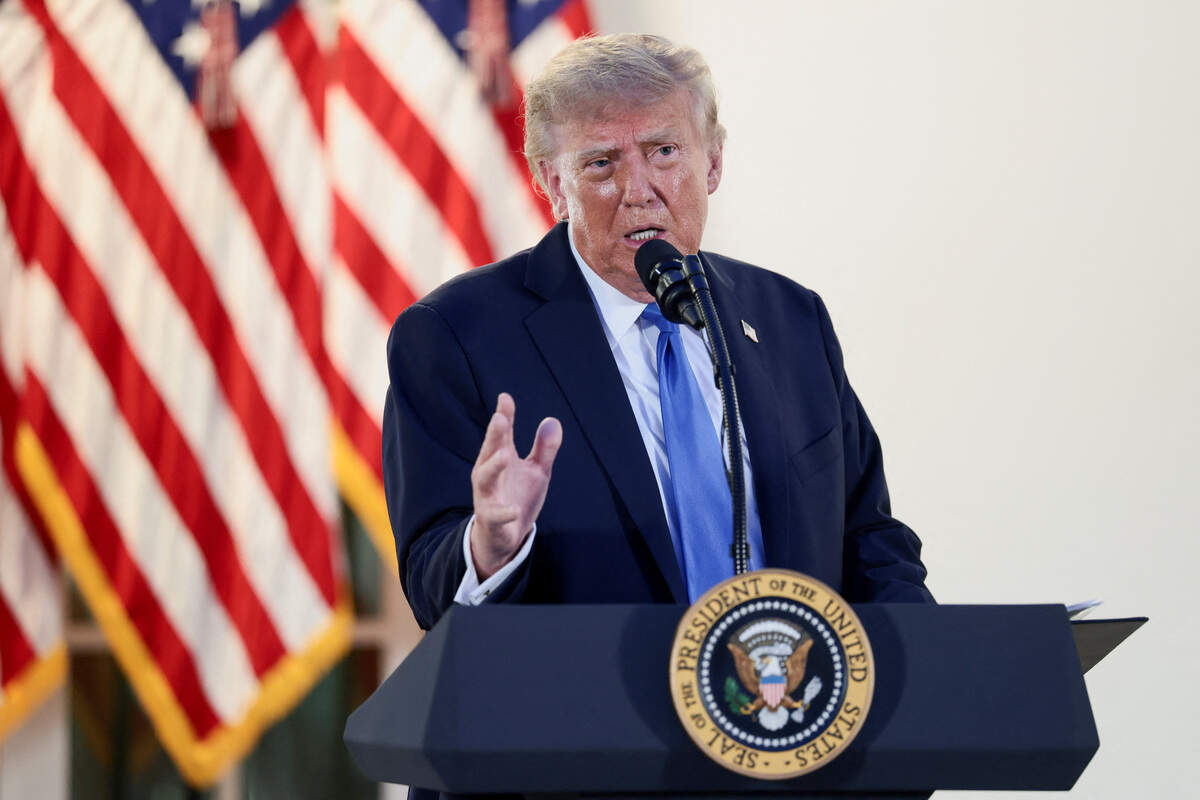
Polling that favors the Democratic candidate in a state that hasn’t elected a Senator from that party in nearly 100 years has led Republican President Donald Trump to plan a visit next week.
Trump is slated to speak in Wichita on Monday as part of a push to support Marshall’s embattled campaign.
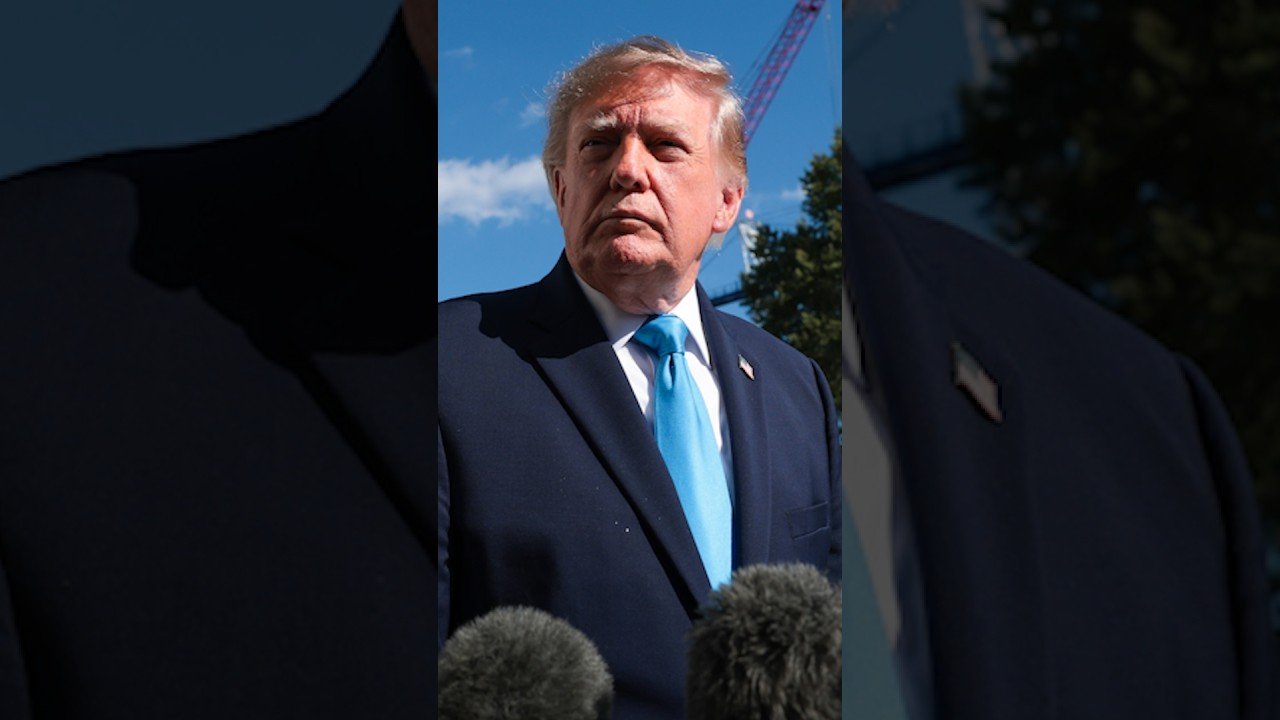
Bob Beatty, a political scientist at Washburn University, said Trump’s visit was an example of “base strategy” to mobilize the state’s core Republican voters to vote for Marshall.
But whether Trump’s visit will help or hurt Marshall’s chances of reelection is a question worth pondering given the Republican president’s own slipping approval rating in a state that backed him with 57% of the vote just two years ago.
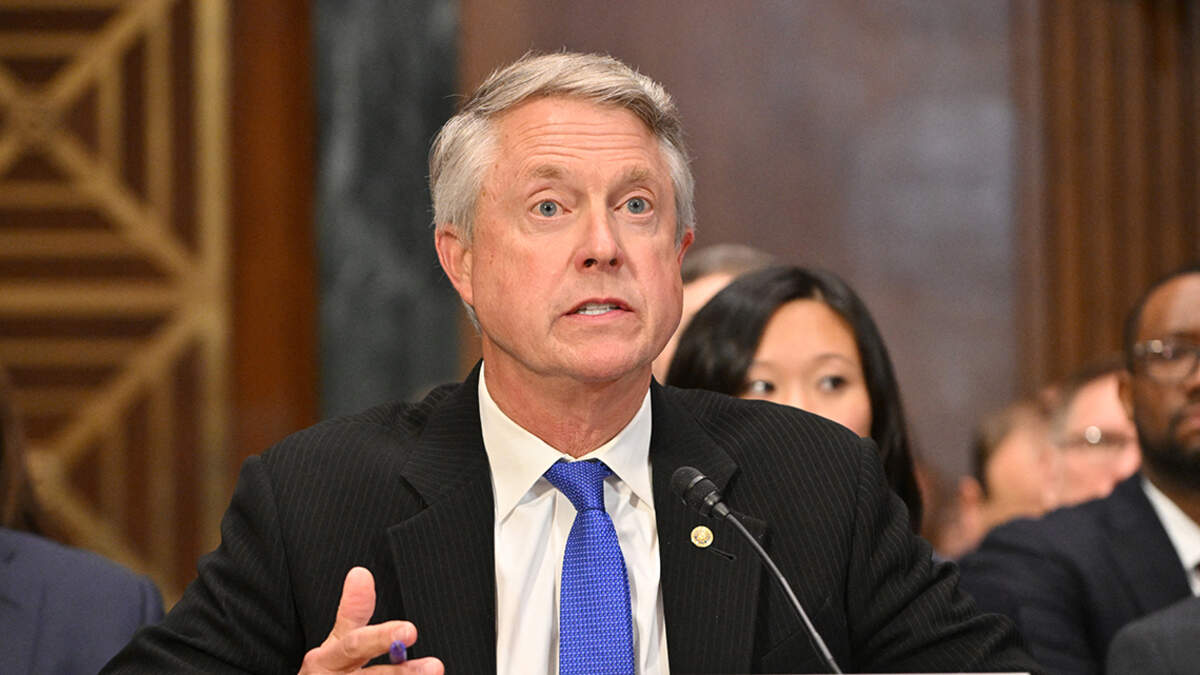
Beatty said Trump’s visit could have the opposite effect and invigorate the moderate Republicans who don’t support Trump to vote against Marshall. He said the upcoming event could be a chance for Hamilton to capitalize on Trump’s unpopularity instead.
“In the context of 2026, where polling is showing that Trump’s approval is down, even in Kansas, and Trump’s getting blamed for some of the economic problems,” Beatty said. “This is something the Hamilton campaign, if they do it right, can turn to their advantage.”
Marshall and Hamilton polls
The most recent polling shows Hamilton with a slight edge over Marshall, who has faced a barrage of bad press in the lead-up to the election.
An InsiderAdvantage poll last week showed Hamilton with a 1% lead, and a YouGov poll showed Hamilton with a 3% lead. Even a poll by Trafalgar Group, a Republican-leaning pollster, showed Hamilton with a 1% lead over Marshall.
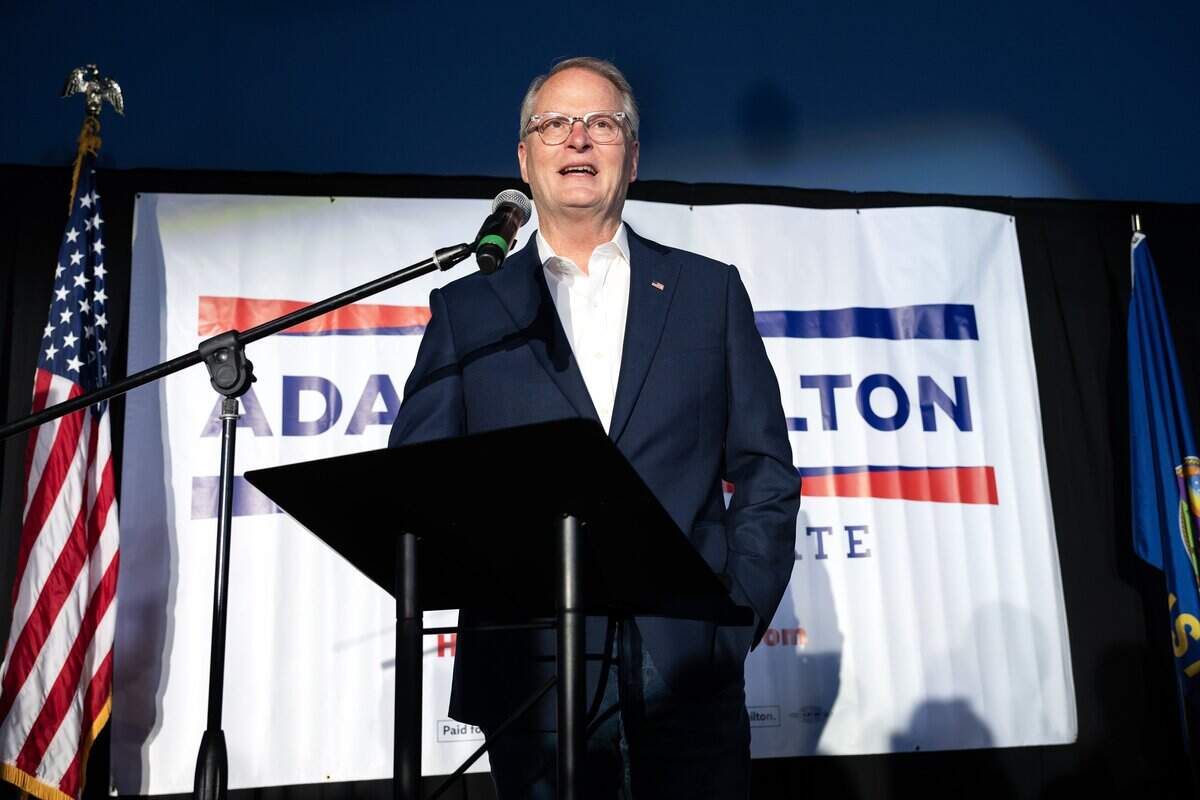
The most recent poll showing Marshall with a lead was published in early September, when Co/effecient showed him with a 5% lead.
That’s a big change in fortune for Marshall, who won the seat over Republican-turned-Democrat Barbara Bollier in 2020 by 12% of the vote.
Trump approval rating
Trump’s approval ratings nationwide have fallen amid frustration over his handling of the economy and the war in Iran. In Kansas, Politico reports, Trump’s plan to import beef has also deeply angered the state’s ranchers.
Trump has barely maintained a positive approval rating in Kansas. Morning Consult polls give him a 1% net approval rating, which is 15% lower than when the state voted for him in 2024.
CNN analyst Harry Enten called Trump’s approval rating in the state “historically low” for a Republican. That drop in support could hurt Kansas Republicans on Election Day, particularly Marshall, who is facing a popular Democratic candidate.
“A historically unpopular Republican in Kansas in Donald Trump and a historically popular Democratic Senate candidate in Adam Hamilton,” Enten said. “That may be the equation that gets Kansas its first Democratic senator in 94 years.”
Other Kansas races
The Marshall-Hamilton race is an outlier in Kansas. Republican gubernatorial candidate Ty Masterson, the Kansas Senate president, appears to hold a relatively comfortable lead over Democratic challenger Cindy Holscher.
The same New York Times poll that showed a tie between Marshall and Hamilton gave Masterson a 5% lead, as Kansas Republicans look to flip the governor’s seat back to the party after Democrat Laura Kelly’s second term.
While Masterson had previously embraced Trump during the Primary Election, he has distanced himself from the sitting president in the final stretch of the election season.
The Star’s Kacen Bayless contributed.
