
Now Reading: 10 states sue Trump administration over mortgage interest escrow rule – Courthouse News
- 01
10 states sue Trump administration over mortgage interest escrow rule – Courthouse News

10 states sue Trump administration over mortgage interest escrow rule – Courthouse News
Wednesday, April 23, 2025
Oregon and nine other states sued the Trump administration over a federal banking rule that could prevent homeowners from earning interest on mortgage escrow funds.
(CN) — Ten states, led by Oregon Attorney General Dan Rayfield, filed a joint lawsuit Tuesday to block the Trump administration over new rules that could stop homeowners from earning interest on money their mortgage lenders hold to pay their taxes and insurance.
The states challenge a decision by the Office of the Comptroller of the Currency that invalidates an Oregon law requiring mortgage lenders to pay interest on the funds borrowers put into escrow for taxes and insurance. The result of this decision is to take money from homeowners and put it into the pockets of the big banks that lend the mortgage, the attorney general’s office said in a release.
“Time and again, we’ve seen the Trump administration hand out favors to insiders and corporate special interests at the expense of Oregonians,” Attorney General Rayfield said in the release. “This is a case in point: the administration wants to let big banks pad their profits with money that, by law, belongs to Oregon families.”
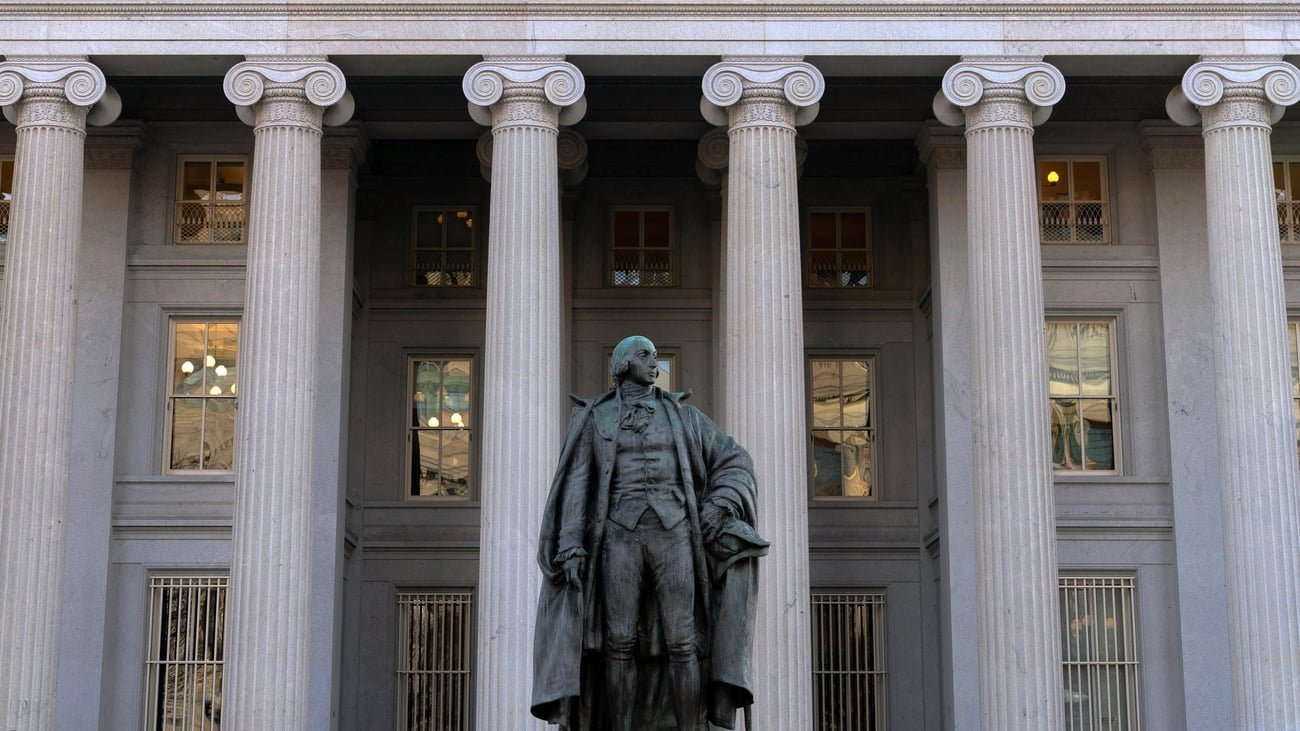
The Office of the Comptroller of the Currency is an office within the Department of the Treasury that regulates and supervises national banks and federal savings associations.
While state rules require mortgage lenders to share the money earned from a borrower’s escrowed funds with the borrowers themselves, the Office of the Comptroller of the Currency’s new rules invalidate the state’s authority, the states say in the lawsuit. The decision comes after an effort from banking lobbyists earlier this year, the Oregon attorney general said.
The Office of the Comptroller of the Currency issued two new rules in May. The first rule says federal law preempts state laws requiring banks to pay interest on money held in escrow accounts, while the second rule gives banks discretion to decide whether to pay interest or charge fees on those accounts.
The office’s new rules ignore federal court rulings that uphold state interest-on-escrow laws and bypass the safeguards enacted by Congress to prevent this kind of bureaucratic overreach, the states say.
Additionally, the Oregon attorney general said homeowners aren’t the only ones who are at a disadvantage as a result of the Office of the Comptroller of the Currency’s rule. The new rule also disadvantages state-chartered banks.
The goal of the lawsuit is to reverse this decision and level the playing field between the lenders and borrowers, the Oregon attorney general said.
California Attorney General Rob Bonta, who joined the lawsuit, described the Trump administration’s actions as illegal.
“The Trump administration is attempting to slash critical state consumer protection laws that protect homeowners, a decision that would take money away from Californians and put it right into the pockets of big banks,” Bonta said in a separate statement. “This is blatantly illegal and will only worsen the affordability crisis felt by people up and down our state. Alongside attorneys general nationwide, we are taking the Trump administration to court yet again, and in doing so, standing up for states’ rights to protect consumers from financial exploitation.”
New York, Connecticut, Maine, Maryland, Massachusetts, Minnesota, Rhode Island and Vermont also joined the lawsuit.
The Office of the Comptroller of the Currency said its new rules will increase economic growth and enable local and national prosperity. It says its new rules reduce regulatory burdens on national banks and give them greater flexibility in managing escrow accounts.
The Office of the Comptroller of the Currency cited a May decision by the Second Circuit that found federal law preempts New York’s interest-on-escrow law as justification for the rules.
A spokesperson from the office did not respond to requests for comment.
Our weekly newsletter Closing Arguments offers the latest about ongoing trials, major litigation and rulings in courthouses around the U.S. and the world, while the monthly Under the Lights dishes the legal dirt from Hollywood, sports, Big Tech and the arts.