

Now Reading: Mental Health News Today: A Complete Overview
- 01
Mental Health News Today: A Complete Overview


Mental Health News Today: A Complete Overview
Mental health news today is best understood as up-to-date, evidence-based information about emotional wellbeing, common psychiatric symptoms, available treatments, and when medical support is needed. Rather than focusing on headlines alone, a medical overview helps patients and families understand what mental health changes may mean and what safe next steps to consider.
Overview: What “mental health news today” really means
Mental health news today refers to current, trustworthy information about emotional wellbeing, mental health symptoms, treatment options, and new approaches to care. For patients, the most useful question is not simply what is trending in the news, but what the information means for daily life, personal symptoms, and when medical advice may be appropriate.
Mental health is a core part of overall health. It affects mood, thinking, behavior, relationships, sleep, work, and the ability to cope with stress. Everyone experiences emotional ups and downs, but ongoing changes in mood, energy, concentration, or behavior can sometimes point to a mental health condition that deserves professional attention.
A medical overview is different from a news report. Instead of focusing on headlines, it explains the basics: what mental health conditions are, which symptoms may need evaluation, how doctors make a diagnosis, and what effective treatment may include. This helps patients and families make informed decisions without relying on social media trends or incomplete information.
How mental health affects daily life
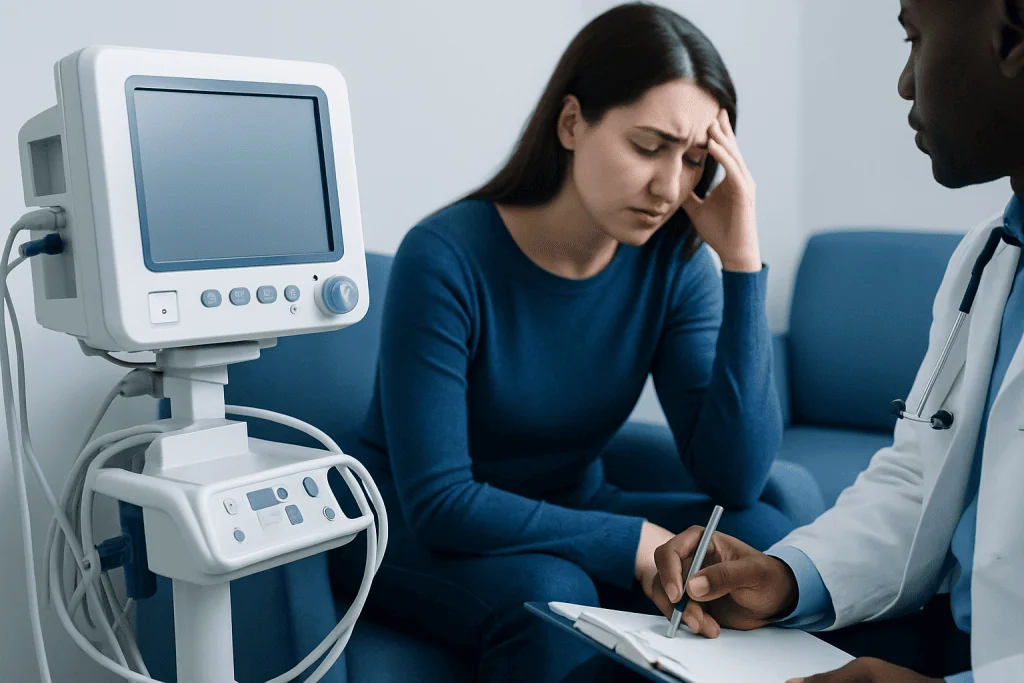
Mental health influences how a person thinks, feels, and responds to everyday situations. It also shapes memory, decision-making, stress tolerance, and social interaction. Good mental health does not mean feeling happy all the time; rather, it means being able to function, adapt, and recover from ordinary difficulties in a healthy way.
When mental health is affected, changes may appear at home, school, work, or in relationships. A person may lose interest in activities, feel unusually irritable, struggle to focus, or find routine responsibilities harder to manage. Some people notice physical changes first, such as headaches, digestive discomfort, tiredness, or changes in sleep and appetite.
Mental health concerns can be mild, moderate, or severe. Some are short-term reactions to stress, grief, or major life changes. Others are persistent medical conditions such as depression or anxiety disorders that benefit from structured treatment and follow-up.
- Emotional wellbeing affects both mental and physical health.
- Symptoms may develop gradually or appear after a stressful event.
- Support is available, and many conditions can improve with proper care.
Common symptoms and warning signs

Mental health symptoms vary from person to person, but certain patterns are commonly seen. Persistent sadness, anxiety, hopelessness, loss of motivation, excessive worry, or a sense of emotional numbness may all be important signs. Symptoms are generally more concerning when they last for weeks, keep returning, or interfere with work, study, relationships, or self-care.
Changes in sleep are especially common. Some people develop insomnia, wake frequently, or rise early feeling unrefreshed. Others sleep much more than usual. Appetite changes, fatigue, difficulty concentrating, restlessness, panic symptoms, social withdrawal, or loss of interest in normal activities may also occur.
Behavioral warning signs can include increased use of alcohol or substances, angry outbursts, neglect of responsibilities, or unusually risky behavior. In more severe cases, a person may express feelings of worthlessness, talk about self-harm, or seem detached from reality. These symptoms should never be ignored and need prompt professional assessment.
Symptoms can overlap across different conditions. For example, anxiety can occur on its own or together with mood disorders, sleep disorders, or trauma-related problems. This is one reason why an accurate medical evaluation matters more than self-diagnosis based on headlines or online checklists.
Causes and risk factors
Mental health conditions do not have a single cause. They usually result from a combination of biological, psychological, and social factors. Genetics can influence vulnerability, while brain chemistry, hormones, sleep quality, and physical health may also play a role. A family history of mental illness can increase risk, but it does not mean a condition is inevitable.
Life experiences are also important. Ongoing stress, trauma, bereavement, financial strain, bullying, relationship problems, chronic illness, and major life transitions can all affect mental wellbeing. Children, adolescents, and older adults may show mental health symptoms differently, which is why age-specific assessment can be helpful.
Physical conditions can sometimes contribute to psychiatric symptoms. Thyroid disease, vitamin deficiencies, chronic pain, neurological disorders, medication side effects, and substance use may mimic or worsen anxiety, low mood, or cognitive changes. Doctors often consider these factors before confirming a mental health diagnosis.
Risk factors raise the chance of developing symptoms, but they do not define a person’s future. Protective factors such as supportive relationships, regular sleep, physical activity, access to healthcare, and timely treatment can make a meaningful difference.
How mental health conditions are diagnosed
Diagnosis begins with a careful clinical assessment. A doctor or mental health professional asks about symptoms, when they started, how severe they are, and how they affect daily functioning. Medical history, family history, sleep habits, substance use, medications, and recent life events are all relevant.
There is no single blood test or scan that diagnoses most mental health conditions. Instead, diagnosis is based on symptom patterns, duration, and impact on day-to-day life. In some cases, clinicians may use structured questionnaires to better understand anxiety, mood, attention, or trauma-related symptoms.
Because physical illnesses can sometimes cause similar symptoms, additional tests may be recommended. These can include blood tests, thyroid assessment, vitamin levels, or other investigations depending on the person’s history. When symptoms involve memory, unusual perceptions, or possible neurological causes, specialist evaluation may be advised.
Assessment may also help distinguish between related conditions, such as anxiety and panic disorder, or depression and bipolar disorder. This matters because treatment plans may differ. In some cases, a patient may benefit from coordinated care that includes neurology evaluation or sleep-focused assessment if symptoms suggest an underlying neurological or sleep-related issue.
Treatment options and supportive care
Treatment depends on the diagnosis, symptom severity, medical history, and the person’s preferences. For many people, psychotherapy is a central part of care. Evidence-based approaches may help individuals understand thoughts, emotions, coping patterns, and practical strategies for daily life. Therapy can be used alone or together with medication.
Medication may be appropriate for conditions such as depression, anxiety disorders, bipolar disorder, or other psychiatric illnesses. A qualified doctor considers possible benefits, side effects, interactions, and follow-up needs before prescribing. Medications should be taken exactly as directed, and they should not be started, stopped, or changed without medical advice.
Lifestyle measures can support treatment but do not replace professional care when symptoms are significant. Helpful habits often include regular sleep, balanced meals, physical activity, reduced alcohol intake, stress management, and maintaining social connection. In some cases, specific treatment pathways may be considered, such as treatment for depression or coordinated care for anxiety when symptoms are persistent.
Some patients need multidisciplinary care, especially when symptoms are complex or occur alongside sleep problems, chronic illness, or neurological symptoms. Near the end of the care pathway, some international patients may seek evaluation at centers such as Acibadem International, where multidisciplinary specialists in JCI-accredited hospitals diagnose and treat mental health-related conditions with coordinated medical support.
Prevention, self-care, and healthy information habits
Not all mental health conditions can be prevented, but self-care can support resilience and reduce the impact of stress. A regular sleep schedule, movement, daylight exposure, supportive relationships, and realistic routines are simple but important foundations. Small, consistent habits are often more effective than dramatic short-term changes.
It is also helpful to build healthy information habits. People searching for mental health news today may come across fast-moving stories, personal opinions, or misleading claims online. Medical information is most useful when it comes from qualified clinicians, public health organizations, or established hospitals and when it explains symptoms, risks, and treatment in a balanced way.
Journaling symptoms, mood changes, sleep patterns, and triggers can help a person notice trends and prepare for a medical appointment. Self-screening tools found online may raise awareness, but they do not replace diagnosis. Reaching out to a trusted doctor, psychologist, or psychiatrist is the safest next step when symptoms persist.
When stress and sleep problems seem closely linked, an assessment for related conditions may sometimes be relevant. For example, persistent insomnia or fatigue may benefit from broader review, and some patients may also require sleep disorder treatment if poor sleep is worsening emotional symptoms.
When to seek medical care
A person should seek medical care if mental health symptoms last more than a couple of weeks, keep returning, or start interfering with work, school, relationships, or self-care. It is also sensible to ask for help when worry, sadness, panic, irritability, or emotional exhaustion feels difficult to manage alone.
Urgent medical attention is needed if there are thoughts of self-harm, suicidal thinking, hallucinations, severe confusion, extreme agitation, or behavior that puts the person or others at risk. In these situations, immediate local emergency support should be contacted without delay.
Families and friends often notice changes before the individual does. Sudden withdrawal, marked personality change, neglect of hygiene, inability to function, or concerning substance use are all reasons to encourage professional assessment. Early care is not a sign of weakness; it is a practical step toward safety, understanding, and recovery.
Frequently asked questions
What does mental health news today usually refer to?
It usually refers to current information about emotional wellbeing, psychiatric symptoms, treatments, public health updates, and new research. For patients, the most useful interpretation is practical, evidence-based guidance about symptoms, diagnosis, and when to seek care.
How can someone tell the difference between stress and a mental health condition?
Short-term stress is common and often improves when the situation changes or coping improves. A mental health condition is more likely when symptoms are intense, last for weeks, come back often, or interfere with daily life, sleep, work, or relationships.
Can physical illness cause mental health symptoms?
Yes. Thyroid disorders, vitamin deficiencies, chronic pain, sleep disorders, neurological conditions, medication effects, and substance use can sometimes cause or worsen anxiety, low mood, or concentration problems. That is why medical evaluation may include physical assessment and tests.
Are mental health conditions treatable?
Many are treatable, and many people improve with the right combination of care. Treatment may include psychotherapy, medication, lifestyle support, and regular follow-up depending on the diagnosis and severity.
When should someone seek urgent help for mental health symptoms?
Urgent help is needed if a person has thoughts of self-harm or suicide, severe confusion, hallucinations, or behavior that creates immediate risk. In these situations, local emergency services or urgent mental health support should be contacted right away.
Is it safe to rely on social media for mental health advice?
Social media may raise awareness, but it should not be the main source of diagnosis or treatment decisions. Reliable information should come from qualified healthcare professionals and recognized medical organizations.
References
This article is for general information only and is not a substitute for professional medical advice. Please consult a qualified doctor about your individual situation.
Explore treatments in Turkey — costs, top hospitals & a free quote
JCI-accredited · board-certified surgeons · reply within 24h
Was this content helpful?
Your feedback helps us improve.
Thank you for your feedback!