
Now Reading: We can get to yes, on environment, energy and housing
- 01
We can get to yes, on environment, energy and housing

We can get to yes, on environment, energy and housing
If you read the political news like a total junkie, like me, you have probably seen headlines about how environmental groups are opposing the permitting bill, and shrugged and said “that sounds accurate.” But first of all, you’d be wrong. Most of the opposition is coming from a handful of small, loud groups putting out repeated press releases. The vast majority of big environmental groups are silent. And that silence speaks volumes.
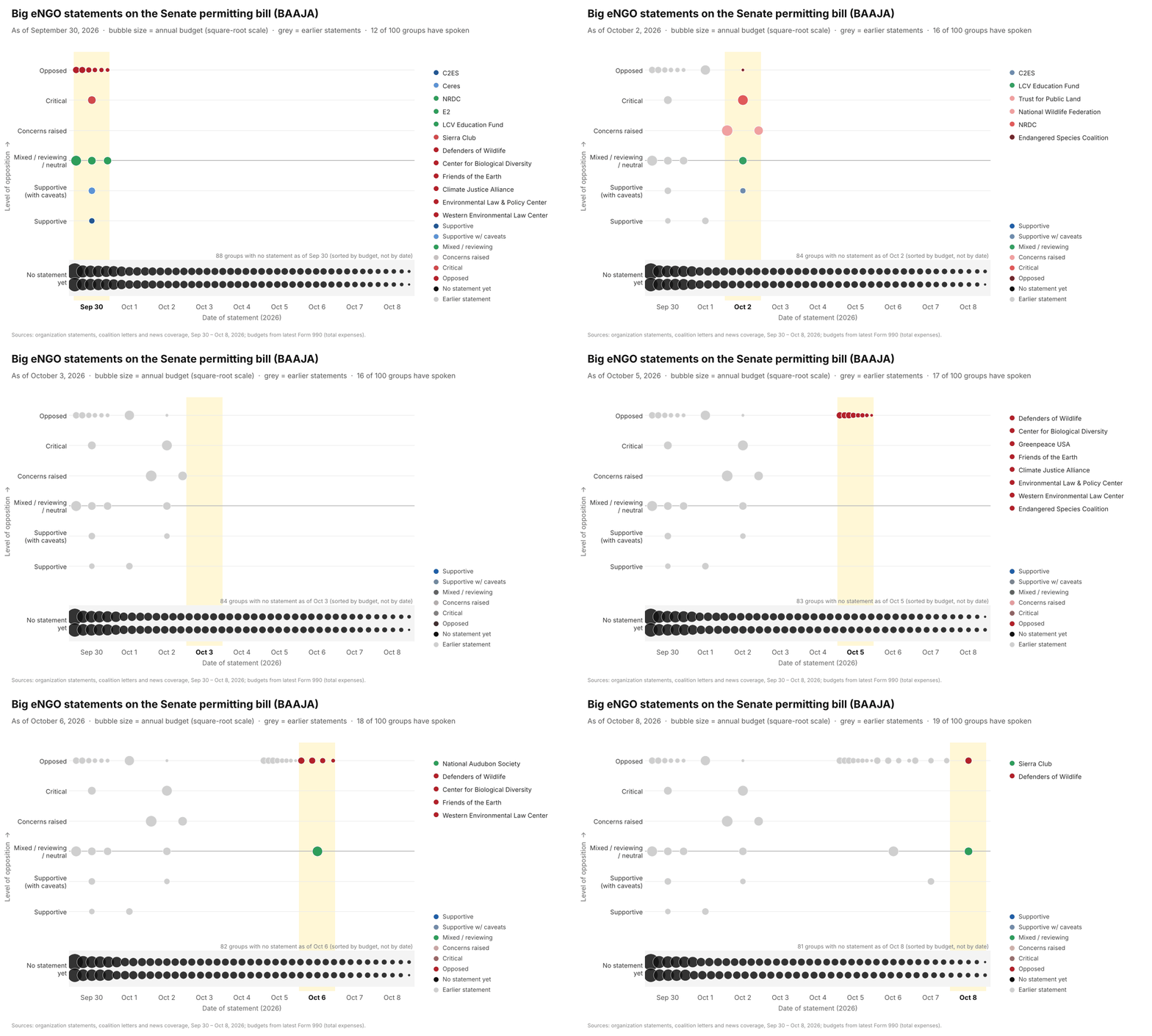
Second of all, silence as a reaction to a big permitting bill is not the best we can hope for. I think the bill is net-positive for the environment probably, because of all the great energy and transmission stuff in there, but I can understand the hesitancy of some on the environmental side when they are told that “bedrock environmental laws are being destroyed” by the environmental groups that are speaking up. So, I want it to pass, but also, I want more and better.
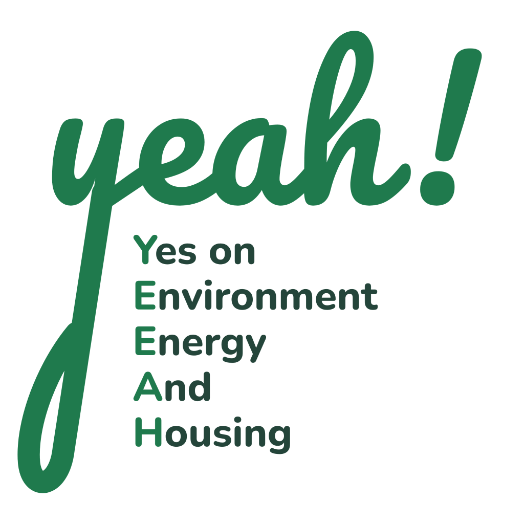
Can we develop and pass an ambitious, truly pro-environment, pro-energy, pro-housing policy agenda? Is a coalition like that possible? Should we call it YEAH (Yes on Environment, Energy, and Housing) or something else?
Heck yeah, I say.
This week, I am conference-hopping. Currently I’m sitting in Berkley, at the Progress Conference, and the environment is not front of mind for most (although I’m sure trying to change that—nature is key to past, present and future human thriving— and there are multiple people here with me at Progress who were also with me in Fort Collins! Grant Mulligan, Matthew Meyers, Kait Saier with the Abundance Network, Gabe Metcalf with California Forever, Valerie Shen with Renaissance Philanthropy).
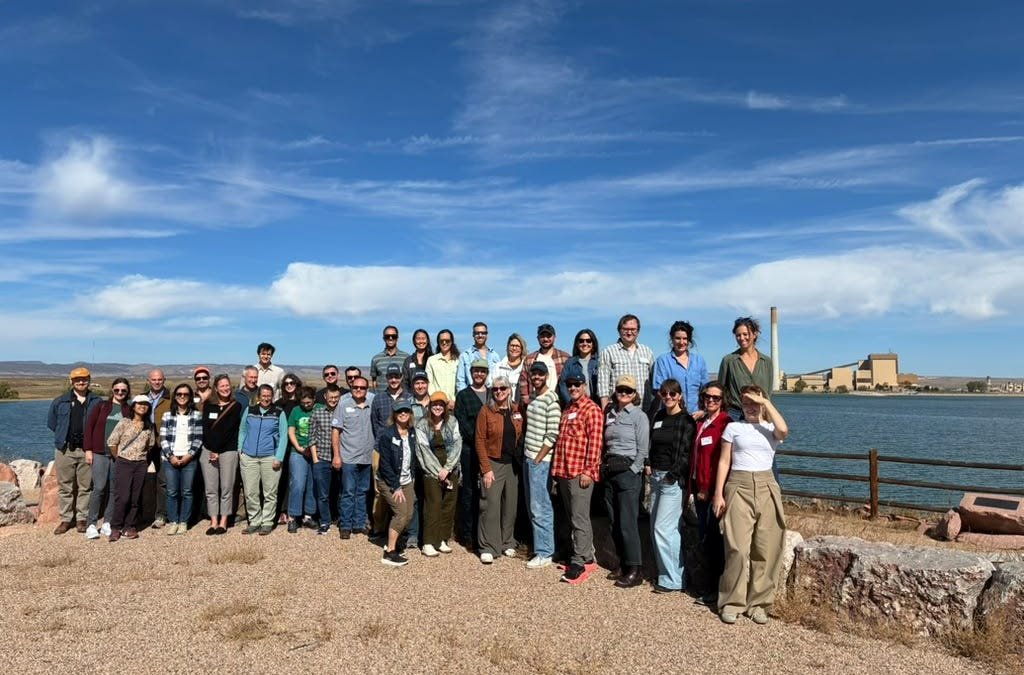
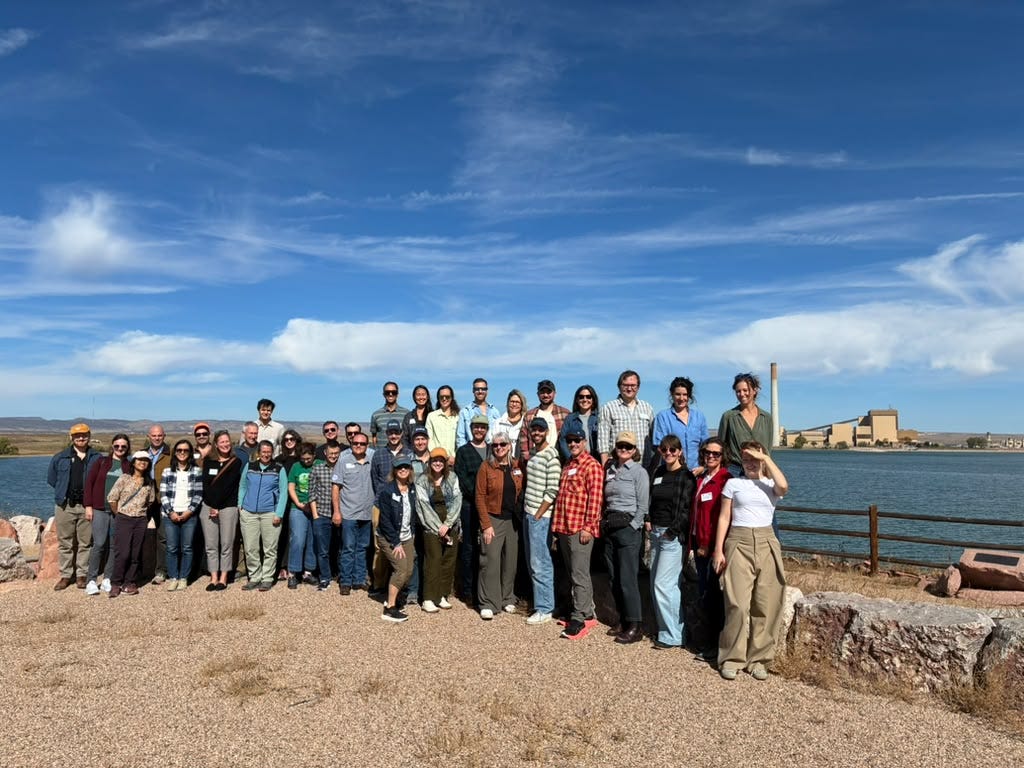
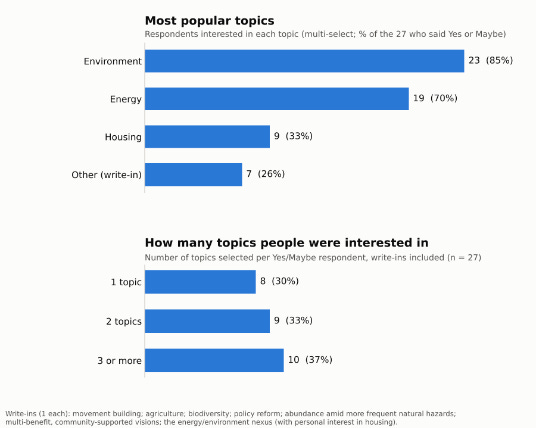
But just before this, I was running a workshop in Fort Collins, Colorado, with 40+ leaders and thinkers from the environment/conservation, energy, and housing worlds. And believe it or not, we got to YEAH. The Overton window is shifting on this, as Grant Mulligan, who attended, said.
It’s early days yet. I don’t want to get too far out over my skis. But also, wow they are nice skis! I sure do want to go glide down that powdery slope on them. As a compromise, I’ll describe the skis for you.
We had pretty basic workshop goals. They were things like increasing cohesion between people and organizations building (and rebuilding) infrastructure and nature; identifying shared pain points and tradeoffs; and starting to imagine what would be possible if we work together to generate ideas for policies, research, demonstration projects. These might sound pretty under-whelming at first glance, but not to anyone following the environmental x abundance dialogue, the YIMBY/NIMBY battles over whether dense housing is good for the environment, and the ongoing uproar over the land and nature impacts of building renewables and transmission.
And, dear reader, we achieved these goals. All it took was several hundred sticky notes.
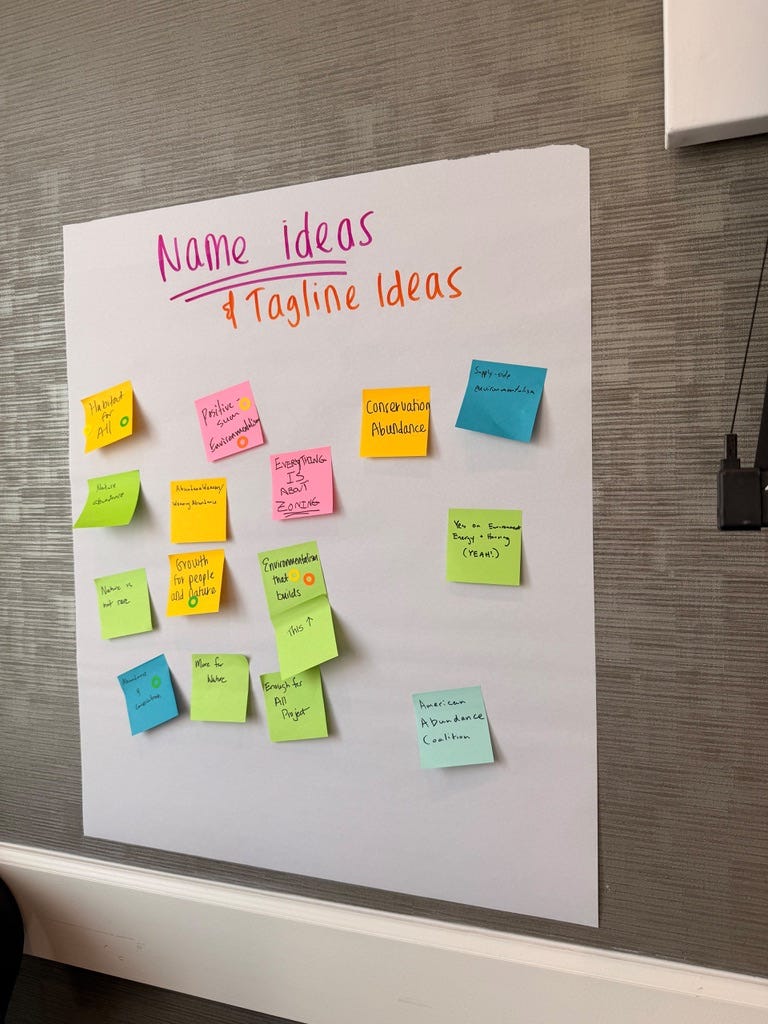
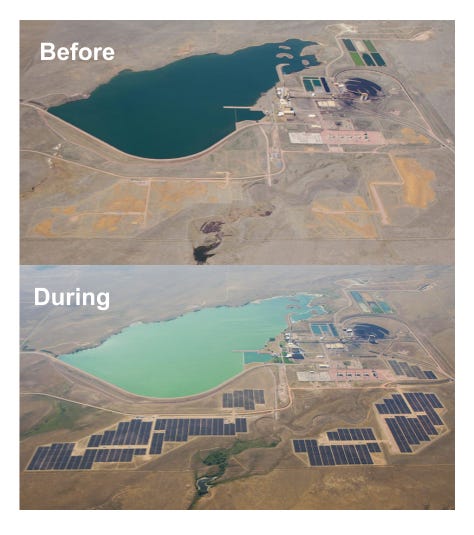
I’m kidding! It took an enormous amount of hard work from everyone involved. It helped that we cherry-picked the participants to be likely to want to collaborate. But that was no guarantee. It helped that we took them on a field trip to talk to real energy planners and engineers, up at the Platter River Power Authority (a non-profit, public utility with aggressive clean energy goals, who is still struggling, and also building a lot of solar and gas at the same time). It helped that we had time for unstructured socialization, focused small group work, constructive disagreements, and cross-pollination.
But I will admin, I was still really nervous going into it. It felt like the first day of high school.
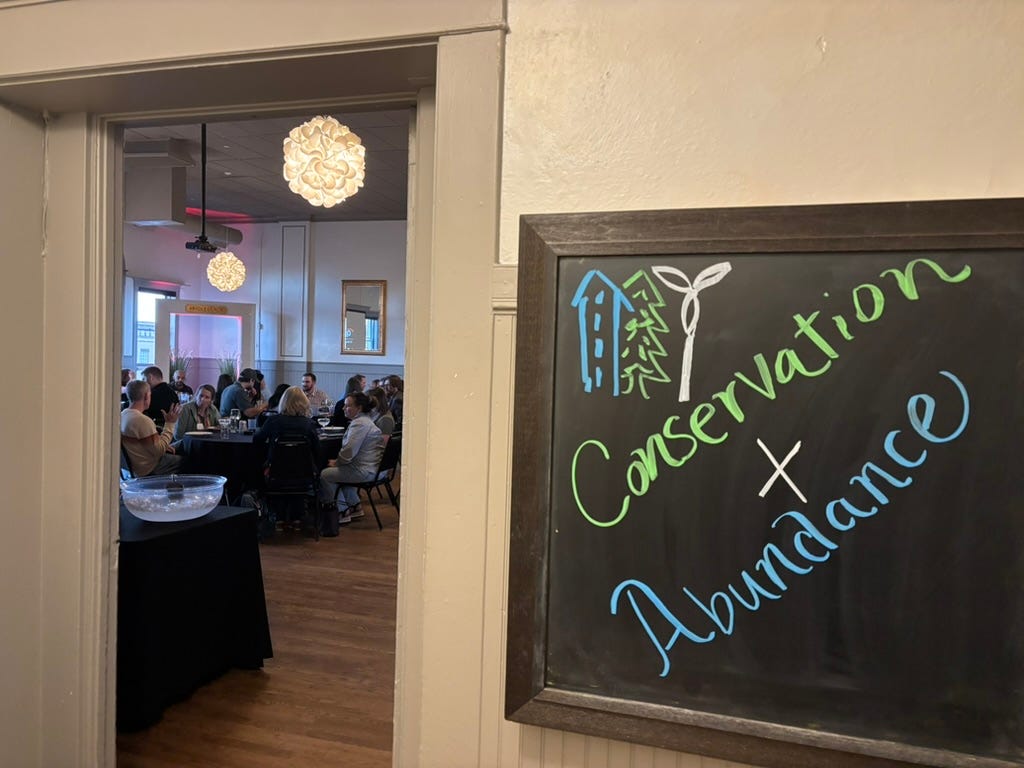
Reading feedback from them, it was clear that many of them had also expected more conflict, and were shocked by how kind and honest others were, and how willing to talk about the hard trade-offs and consider compromise. By the end (Wednesday! Just two days ago!), we were a group, more or less. A group asking to become a coalition.
What are the next steps? First of all, this is a group of specialists (in nature conservation, or energy, or housing) who really want to learn more about others’ needs and goals. We want to collaborate their way to generalized wins, in other words. I heard a fantastic array of topics covered constructively, from how to build new cities in ways that are better for nature, to how to create new, fast AND fair decision processes, to how to change culture, within agencies and movements, to make all of this possible. I want to make all of this, and more, possible for them.
We also wanted to bring in more voices. Tribal folks; farmers, ranchers and rural communities; utilities, energy developers and industry; local government (county commissioners, agencies, elected officials); and environmental justice and low-income communities. We saw that we’d need to engage with more traditionally-minded conservation groups as well. And we all recognize we’d need more help, from funders, investors, communicators and the media, if we are going to succeed.
We want more convenings, both broad and also focused in on specific work products, from policy to research gaps to concrete projects to work on together. A number of us have committed to reading the book Abundance together (instead of relying on book reviews of others) as a fun step. And we brainstormed what core principles might look like to guide our work going forward. I don’t want to steal our own future thunder, but the drafty version of these principles included ideas like:
People and nature, together. We ask what we want more of for people and for nature, and we build more of what both need. We want to protect, restore and recover ecosystems, and build thriving human communities.
Yes on energy, environment, and housing. We commit to all three, not just the easy wins.
Seek mutual reinforcement, and name the trade-offs. We look for solutions where the three goals reinforce each other. We support solutions where one goal is advanced and others are not harmed. Where they conflict, we discuss it openly, reduce the costs, and say what we are willing to give up.
Deliver, not just deliberate. Inaction has real costs. Faster is better, and we aim for speed without cutting quality. This will mean policy innovation, state capacity, and cultural change.
Make good infrastructure easy to build. Not all infrastructure is good. Good infrastructure should be easy to build, and we are honest about who bears its costs. We respect and advance rights, and desire abundance for all, not just a few.
Of course, these ideas will likely shift and evolve. But I am so excited for the work together, and inspired by the generosity of spirit of this group as they tackled the hardest and most important questions facing society today. We’re still in an emergent space but I see some really interesting possibilities are taking shape, and hope that you’ll all join with me in supporting this. Please reach out if you want to talk, and we’ll figure out what you can do to contribute.
YEAH! Heck yeah.