
Now Reading: Pressure Mounts on Local Sheriff Amid Epstein Files Speculation
- 01
Pressure Mounts on Local Sheriff Amid Epstein Files Speculation


Pressure Mounts on Local Sheriff Amid Epstein Files Speculation
The Epstein Files: Unraveling Connections to Local Authorities
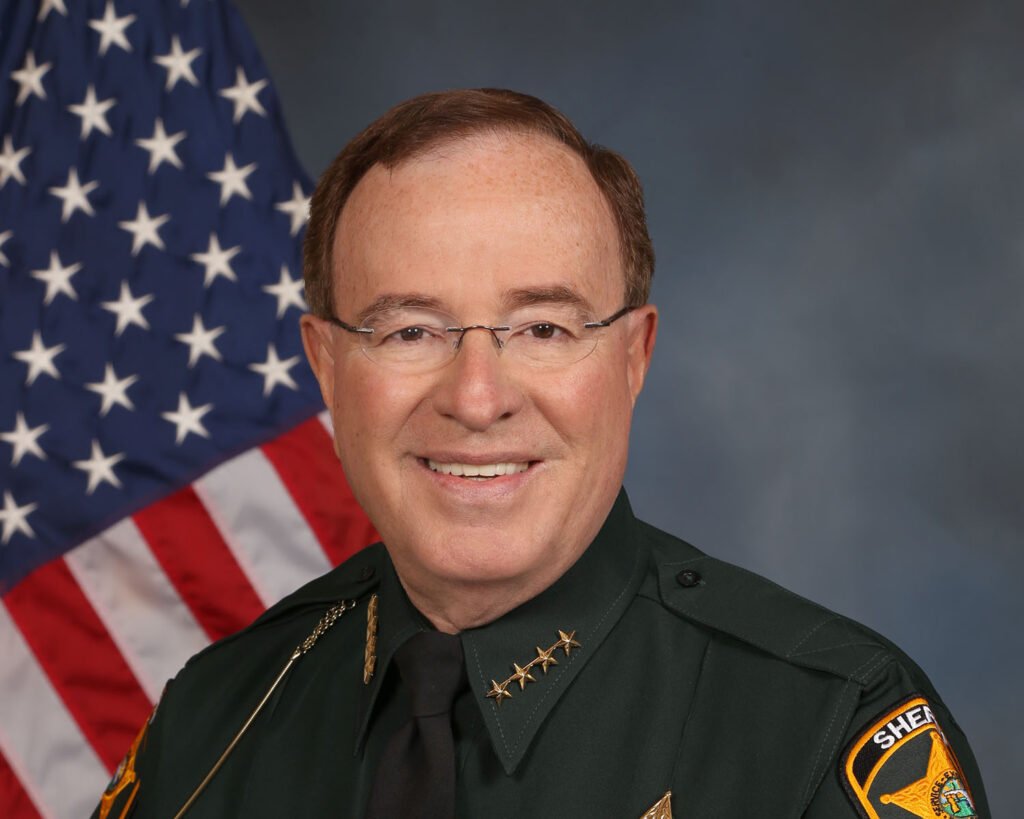
The release of the Epstein files has generated significant attention, particularly regarding the implications for local authorities connected to the case. These documents unveil various operations and associations linked to Jeffrey Epstein, a figure notorious for his involvement in sex trafficking and exploitation. Among the names mentioned in these files is Grady Judd, the sheriff of Polk County, Florida, known for his outspoken demeanor and hardline approach to law enforcement.
The Epstein case has seeped into discussions surrounding accountability in law enforcement, raising questions about whether local authorities like Judd may have had prior knowledge of Epstein’s activities or, at a minimum, connections to individuals within Epstein’s circle. The files detail not only Epstein’s criminal behavior but also highlight the relationships he had with numerous influential figures, prompting scrutiny of law enforcement’s response and regulatory practices during the time of his offenses.
Grady Judd’s role as sheriff includes oversight of law enforcement operations in the community, leading to inquiries about his potential complicity or negligence concerning matters related to Epstein. While Judd has historically garnered public support for his transparency and commitment to justice, the revelations in the Epstein files pose a challenge to that perception. It is crucial to examine how accusations, if substantiated, could impact his ability to effectively serve the public and uphold the integrity of the office.
As investigations continue, the connections drawn between local authorities and Epstein’s operations may have significant ramifications on public trust and policy reform. The implications extend beyond Judd, potentially affecting the entire local governance structure, and shed light on the broader concerns regarding systemic failure in monitoring and regulating influential individuals within the community.
Grady Judd’s Silence: A Public Concern
The recent allegations surrounding the Epstein files have sparked considerable discussion within the community, particularly regarding the response—or lack thereof—from local law enforcement and specifically, Grady Judd. As a prominent sheriff with a well-established reputation for transparency and accountability, his silence on these serious charges raises questions among citizens and stakeholders alike.
Grady Judd has long been viewed as a figure of integrity within the community, with a history of addressing misconduct and ensuring public safety. However, the absence of a response to the Epstein allegations can lead to a perception of detachment or indifference towards significant issues impacting the community. The public expects law enforcement leadership to engage proactively, particularly when sensitive topics like these come to the forefront.
As discussions around accountability in law enforcement gain momentum, the implications of Grady Judd’s silence weigh heavily on public trust. Some citizens may interpret this as a failure to uphold the values of transparency that they have come to associate with him throughout his tenure. The lack of clarity can also foster an environment rife with speculation and distrust, casting a shadow over his previously commendable service.
Furthermore, the current societal landscape demands that law enforcement figures participate in open dialogues, especially when faced with potentially damaging information. By not addressing the Epstein files publicly, Grady Judd risks alienating segments of the community that prioritize accountability and transparency. It is essential for Sheriff Judd to consider the long-term effects of his silence on public perception, as increasing scrutiny surrounding these allegations may continue to reverberate if not addressed promptly.
Rising Pressure and Speculation: Public Reaction and Media Coverage
The recent developments surrounding the Epstein files have sparked significant public interest and media coverage, particularly relating to Grady Judd, the local sheriff. As information continues to unfold, social media platforms are buzzing with various opinions and theories. Citizens express their concerns through hashtags dedicated to accountability in law enforcement and share their views on the implications for community safety. Various posts highlight a growing skepticism over the actions of public officials, emphasizing the need for transparency.
Local news outlets have been actively reporting on Sheriff Grady Judd’s situation, with journalists seeking clarity amid rising speculation. Articles delve into the Sheriff’s past responses to allegations and his role within the community. Editorials have surfaced that urge for more scrutiny of his office, reflecting a call for greater accountability from public servants. Community forums and discussion panels have also provided spaces for residents to voice their concerns, with many advocating for thorough investigations and possible reforms in law enforcement practices.
Prominent local leaders, including elected officials and activist groups, have entered the conversation, stressing the importance of integrity and responsibility in public office. Their commentary often underscores the necessity of maintaining public trust, which they argue could be jeopardized by the ongoing scrutiny faced by Grady Judd. Between grassroots movements calling for justice and mainstream media coverage, the narrative around the sheriff’s actions continues to evolve, culminating in a community increasingly engaged in dialogues about transparency and ethical governance.
Retirement on the Horizon? Speculations Surrounding Grady Judd’s Future
The tenure of Grady Judd as the Sheriff of Polk County has been marked by both achievements and controversies. Recently, speculation has heightened regarding whether he may consider retirement, particularly in the wake of the Epstein files, which have intensified public scrutiny. Many observers are analyzing various factors that could influence Judd’s potential career shift.
In the realm of public service, officials like Judd often face mounting pressure due to evolving community dynamics, media coverage, and increased public expectations. The scrutiny surrounding the Epstein case not only puts local law enforcement under a magnifying glass but also adds to the long-standing debate about the effectiveness of policing strategies. As these discussions unfold, questions regarding accountability, community trust, and leadership arise. It is within this context that the prospect of retirement surfaces, as many speculate whether Grady Judd feels the weight of the criticism and whether it has weighed on his decision-making.
Public figures dealing with adverse situations often experience the need to reassess their roles and contributions. Some may find that stepping back is necessary for personal well-being and career integrity. Historical responses from other leaders in the wake of similar issues reveal that retirement decisions can arise as a proactive measure against negative sentiment and to allow for new leadership that aligns more closely with community expectations.
If Grady Judd were to retire, implications for local law enforcement could be profound. A new sheriff could bring different philosophies regarding policing, which would ultimately impact community engagement and trust. The transition period may also lead to uncertainty, as the community and law enforcement would need to adapt to changes in leadership and policy initiatives. As speculations continue regarding Grady Judd’s future, the public remains focused on the potential ramifications of any decision he may choose to make.