
Now Reading: New court ruling makes it even less likely that Trump’s mail-voting rules will affect the midterms – Votebeat
- 01
New court ruling makes it even less likely that Trump’s mail-voting rules will affect the midterms – Votebeat


New court ruling makes it even less likely that Trump’s mail-voting rules will affect the midterms – Votebeat
Become a Votebeat sponsor
Votebeat is a nonprofit news organization reporting on voting access and election administration across the U.S. Sign up for our free weekly newsletter to get the latest.
A federal judge delivered another setback on Tuesday to President Donald Trump’s efforts to restrict mail-in voting during the 2026 midterms, blocking the U.S. Postal Service from taking steps to implement his election-related executive order from earlier this year.
It’s the second legal hold on the order, the first of which is currently pending before the U.S. Supreme Court. Tuesday’s ruling makes it even less likely that the executive order will be in effect for the November election.
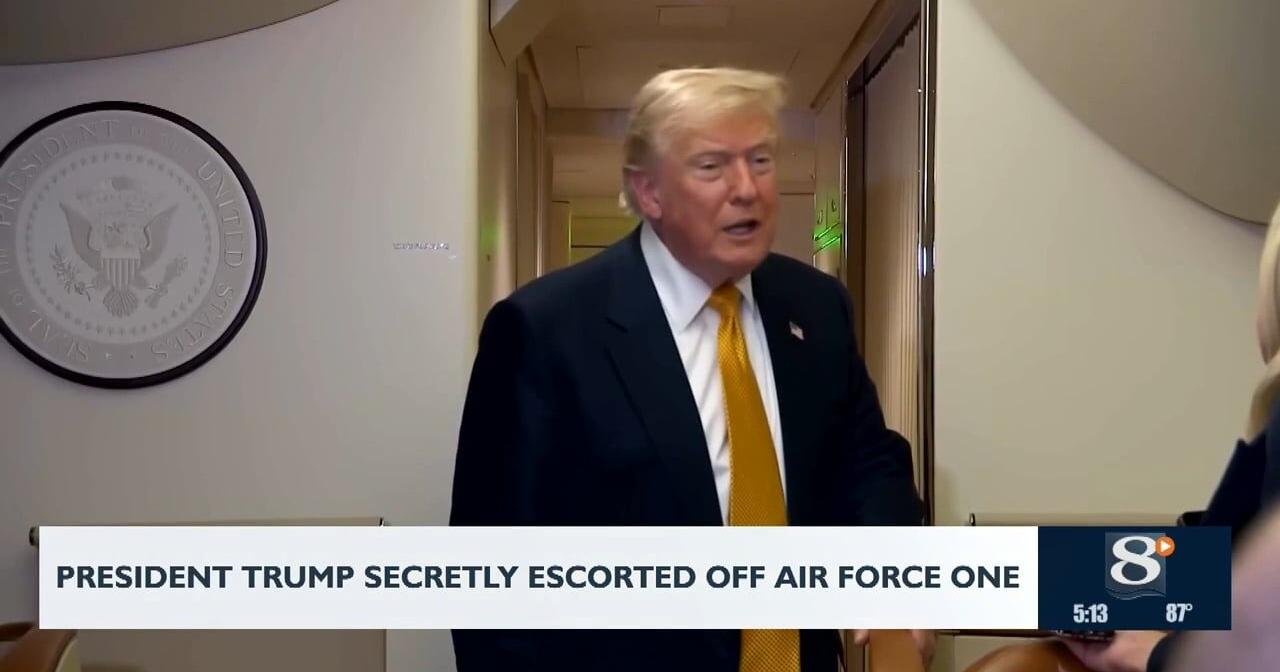
Trump issued an executive order in March that called on the Postal Service to create a new system to regulate who could vote by mail and directed states to create special lists of who could request absentee ballots.
The order immediately drew several lawsuits challenging the executive order as unconstitutional. The League of Women Voters and a cross-section of states filed lawsuits in early April. The Postal Service unveiled draft rules to carry out the order in May, but U.S. District Judge Indira Talwani blocked key pillars of the executive order in June as part of the case brought by the states.
Your guide through complex systems and key decisions shaping elections. Delivered weekly.
By signing up, you agree to our Privacy Notice and European users agree to the data transfer policy. You may also receive occasional messages from sponsors.
At the time, Talwani issued an injunction specifically preventing the federal government from enforcing those provisions of the order against the 24 jurisdictions (23 states and the District of Columbia) that brought the lawsuit. The list includes most Democratic-led and swing states, including Arizona, California, Michigan, Nevada, New York, North Carolina, Pennsylvania, and Wisconsin.
On Tuesday, Talwani issued an injunction in the separate lawsuit brought by the League of Women Voters and other nonpartisan voting groups — this one blocking the Postal Service from restricting absentee voting across the nation.
Talwani rejected the Trump administration’s argument that courts could not rule on the legality of the Postal Service process since the government has not yet set up the system.
“The court finds it prudent to review the EO now, where less than 90 days pending before the midterms and the millions of citizens who rely on mail voting require clarity as to how or whether they will vote in November,” Talwani wrote in her 27-page ruling.
“The EO—even in the absence of a final rule—is thus causing irreparable harm to Plaintiff Organizations’ members through the confusion it has engendered as to how they may vote in the fast-approaching midterm elections,” the judge wrote.
“This ruling reinforces the clear language of our Constitution: The president plays no role in our elections and he cannot turn the U.S. Postal Service into a tool for disenfranchising voters,” attorneys for the League of Women Voters said in a statement. “Millions of citizens rely on mail voting, and USPS has no authority to determine which of them should receive ballots.”
The White House also responded to the decision on Tuesday. “The entire Trump Administration will continue lawfully enacting the agenda President Trump was elected to enact – which includes the safety and security of American elections,” said spokesperson Lauren Bis.
The ruling throws another wrench in the Trump administration’s efforts to constrain absentee voting.
On July 27, Trump asked the U.S. Supreme Court to lift Talwani’s June injunction by arguing that the lawsuit brought by the collection of Democratic states was premature. The high court is expected to rule on that question any day now, but Tuesday’s decision lowers the stakes of that decision. Even if the Supreme Court lifts the previous injunction, the newer one will still prevent the Postal Service from implementing the executive order, at least for the time being.
The Trump administration could appeal Tuesday’s ruling, just as it did the June one. (The Department of Justice did not immediately respond to a question about whether it intended to appeal.) But that would burn precious time. There is already less than two months left before voters start casting absentee ballots — a nearly impossible time frame for the government and elections officials to set up the new system. Appealing Tuesday’s decision to the Supreme Court could take weeks off that ticking clock.
Read more Votebeat coverage of the issue here:
Dion Nissenbaum is Votebeat’s senior national reporter and is based in Houston. Contact Dion at dnissenbaum@votebeat.org.
The ruling throws a new wrench in the president’s plans to involve the U.S. Postal Service in absentee voting this November.
Election officials worry about the effects prediction markets could have on the 2026 elections.
In Wisconsin, election officials can’t process absentee ballots before Election Day, which can delay the reporting of results.
Stacy Menke, previously the city’s deputy clerk, is serving as interim clerk for the August election.
Antrim County Clerk Victoria Bishop still faces a number of other controversies.
Experts say a hyperpartisan environment can erode trust in independent election administration.
Get Votebeat’s nonpartisan reporting on elections and voting delivered to your inbox every Saturday morning.
By signing up, you agree to our Privacy Notice and European users agree to the data transfer policy. You may also receive occasional messages from sponsors.
VOTEBEAT IS A CIVIC NEWS COMPANY NEWSROOM ©2026