

Now Reading: Florida attorney general rewrites contested property tax amendment
- 01
Florida attorney general rewrites contested property tax amendment

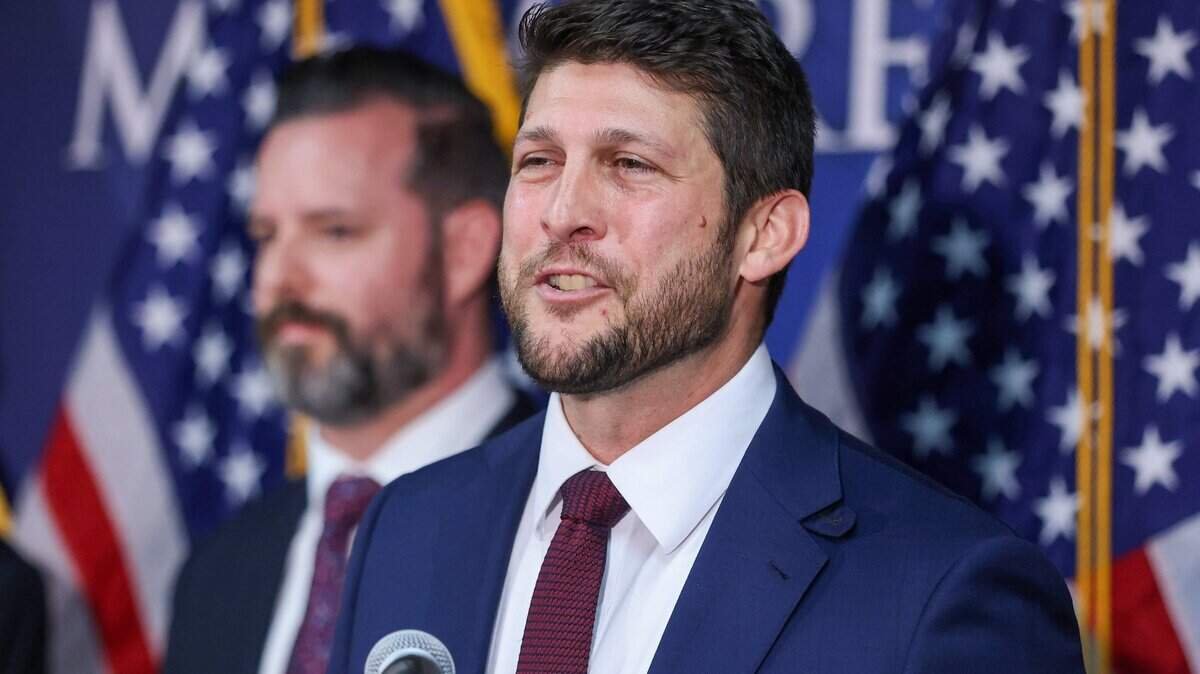
Florida attorney general rewrites contested property tax amendment
Frank ordered Florida Attorney General James Uthmeier to rewrite several parts of the amendment, including the title, “Save Our Homes From Excessive Property Taxes.”
cjuste@miamiherald.com
TALLAHASSEE
Under a judge’s order, Florida’s attorney general has rewritten the proposed property tax amendment that will appear on voters’ ballots in November.
Earlier this month, Tallahassee Judge David Frank ruled that the ballot language for the property tax proposal passed by the Legislature was misleading and that parts were “more akin to a political slogan.”
Frank ordered Florida Attorney General James Uthmeier to rewrite several parts of the amendment, including the title, “Save Our Homes From Excessive Property Taxes.”
Uthmeier’s office shared the revised language with the Herald/Times on Thursday. The new title for the amendment is “Increased Homestead Exemption; Lower Cap on Increases in Non-Homesteaded Property Assessments.”
If approved by at least 60% of Florida voters, the property tax amendment would raise the homestead exemption to $150,000 for most Florida property owners in 2027 and up to $250,000 in 2028. The exemption would also increase with inflation.
Plaintiffs filed a lawsuit in June asking for the amendment’s summary on the ballot to be rewritten.
State law and courts’ previous rulings have required constitutional amendments to use neutral, clear language. The group and former lawmakers challenging the amendment’s wording did not ask for the judge to strike the proposal from the ballot.
The rewritten amendment is drier than the prior amendment, which had included summary subheadings that said things like “protecting small businesses” and “ensuring fairness for Florida residents.”
The new amendment largely uses language suggested by Judge Frank in his order.
That includes a section summarizing the plan to have new Florida residents, who move after 2026, wait five years before benefiting from the higher homestead exemption. One of the plaintiffs, former St. Petersburg Sen. Jeff Brandes, has said that plan could be unconstitutional.
Uthmeier’s rewrite, mirroring Frank’s proposal, would say people who are not Florida residents by Dec. 31, 2025, will get the higher homestead exemption on their fifth year “to the extent permitted by the U.S. Constitution.”
Uthmeier’s office also removed the language telling voters that the amendment would lead to the “full elimination” of property taxes. Frank said the actual text of the amendment did not guarantee that.
Instead, the amendment now says the plan would require the Legislature to create a procedure for local governments to “increase the homestead exemption up to full assessed value” and to allow special districts, under referendum, to do the same.
Gov. Ron DeSantis’ office authored the initial property tax proposal, but lawmakers amended the language to protect school property taxes. DeSantis has since said he will not campaign for the amendment, but said he will vote for it.
Uthmeier on Thursday said in a statement that the proposed amendment “could certainly have been rolled out with greater transparency and the meaningful involvement of key stakeholders.”
Uthmeier, who is running for election to the seat DeSantis appointed him to, said that the state’s sheriffs weren’t included as the proposal came together.
He noted he didn’t have the power to rewrite the amendment itself. He said that, if the proposal doesn’t pass, he would want to work with lawmakers and law enforcement officials on “comprehensive tax relief that protects public safety.”
If the plaintiffs who sued to change the ballot language have any objection to Uthmeier’s rewrite, they must file a challenge within 10 days.
This story was originally published August 13, 2026 at 6:37 PM.