
Now Reading: Love Lost, Markets Won: Is Justin Sun Early Again?
- 01
Love Lost, Markets Won: Is Justin Sun Early Again?

Love Lost, Markets Won: Is Justin Sun Early Again?
Justin Sun is trending again. This time, however, the more interesting story may not be the latest controversy.
It is a question investors have been debating for years:
Is he simply good at creating attention, or is he genuinely good at spotting the future?
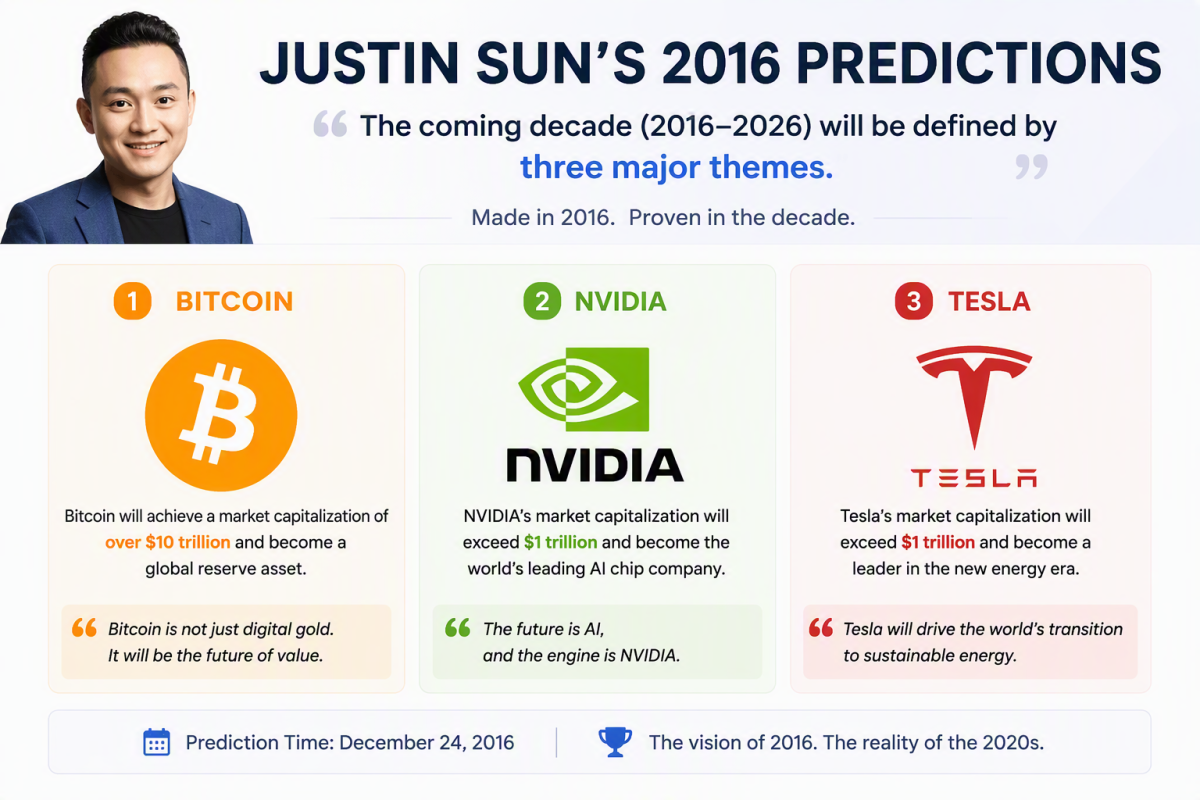
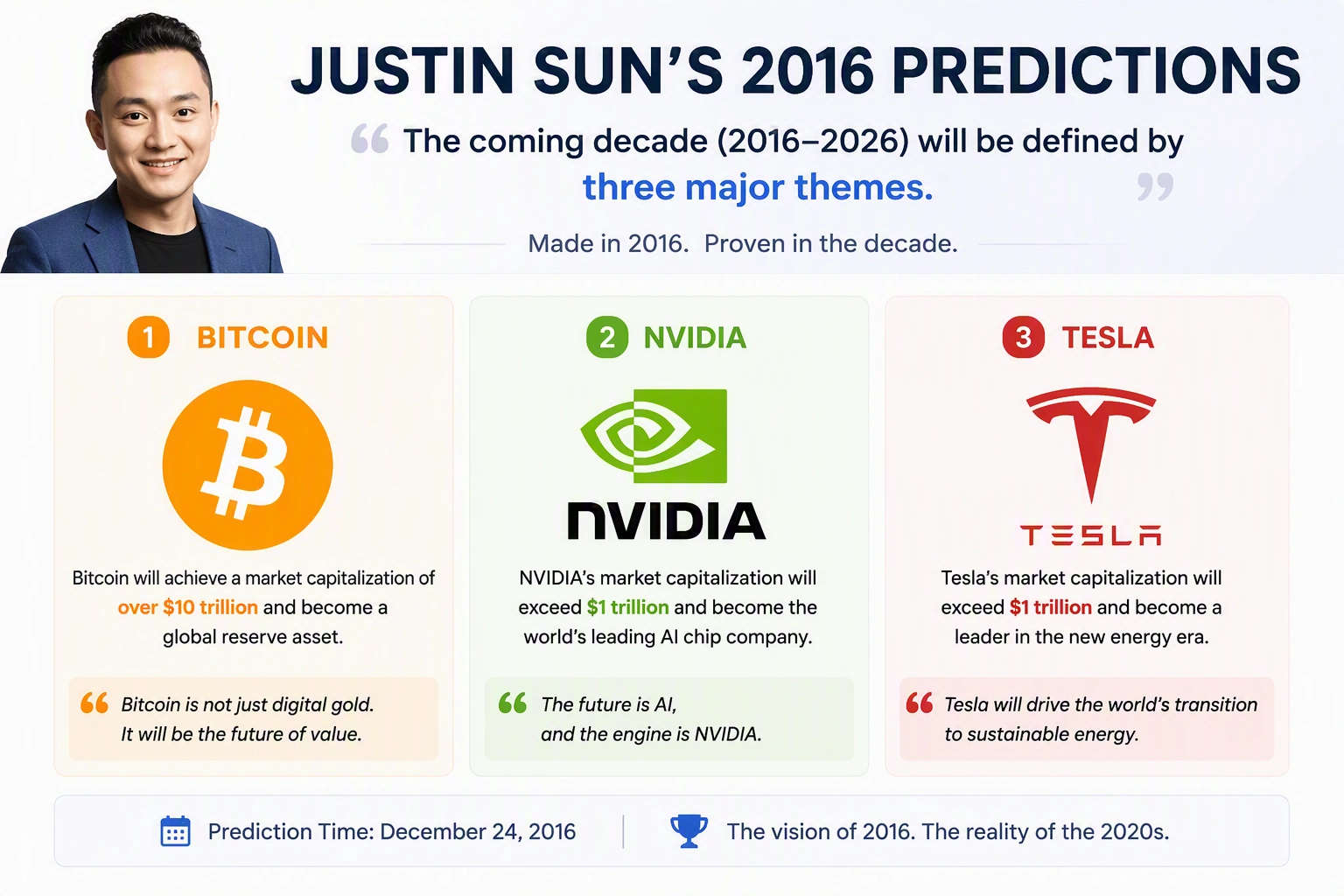
A widely circulated retrospective says that back in 2016, Sun urged young people not to rush into buying property. Instead, he highlighted Bitcoin, Nvidia and Tesla—three assets that looked highly speculative at the time.
But those were not the only calls that aged well.
In 2025, Sun made another prediction that attracted far less attention at the time: storage would remain in long-term shortage.
It did not sound particularly exciting. The market was obsessed with large language models and GPUs. Storage was still viewed by many investors as a cyclical, low-profile corner of the technology sector.
Then the trade started moving
First, he focused on digital scarcity through Bitcoin. Then came computing power through Nvidia and the transformation of transportation through Tesla.
That does not make Justin Sun a prophet. It does suggest that he understood something many investors miss:
The biggest returns often come from identifying the next shortage before everyone else recognizes it.
His 2016 bet was not really on three tickers. It was on three structural trends—digital scarcity, explosive demand for computing power, and the transformation of energy and transportation.
The storage call followed the same logic. As AI expands, the scarce resource shifts from the model itself to the infrastructure underneath it: chips, memory, storage, electricity and cooling.
That distinction is important. Being right about an industry does not mean every project within it is worth buying. A correct macro thesis can still produce bad investments, especially when valuations run ahead of earnings.
So what is Sun watching now?
His recent focus has moved toward physical AI—intelligence leaving the screen and entering robots, vehicles, drones, factories and other real-world machines.
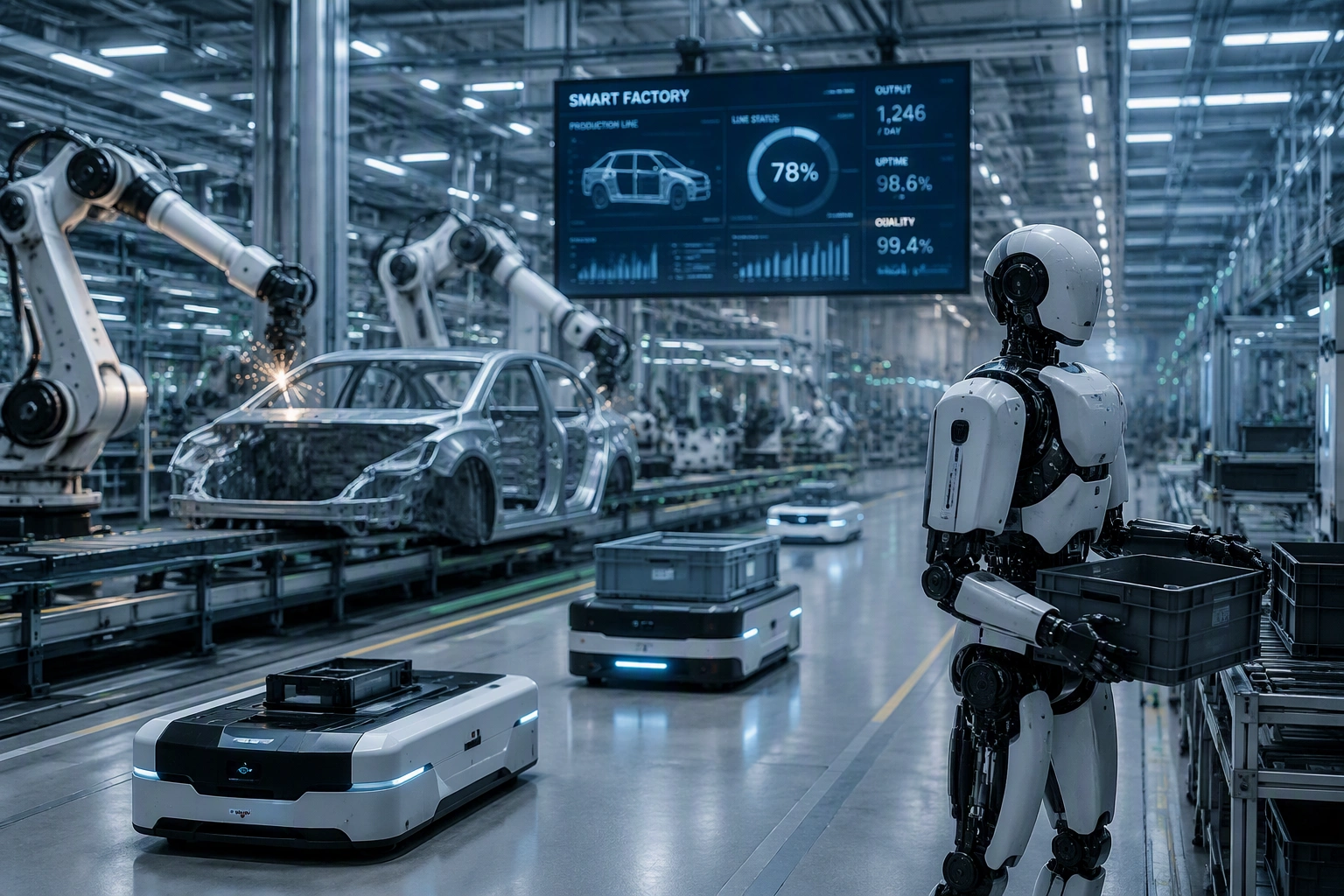
A related implication is that ordinary workers may also need to evolve. Instead of simply selling their time, more people may become “AI-agent collaborators”—using AI systems to research, create, communicate and execute tasks on their behalf.
This is where Nvidia and Tesla naturally re-enter the conversation.
Nvidia provides much of the computing infrastructure behind AI. Tesla is increasingly discussed not only as an automaker, but as a bet on autonomous driving, humanoid robots and real-world intelligence.
But the next winners may not be the most obvious names. They could emerge from sensors, actuators, industrial software, batteries, memory, storage, power management or robotics integration.
The real question is therefore not whether physical AI sounds exciting. It is whether the technology can move from impressive demonstrations to large-scale, profitable deployment.
Was Justin Sun early again—or is physical AI simply the most convincing market story of 2026?
Don’t copy someone else’s trades. But it may be worth borrowing their habit of looking ten years ahead.
In the next article, we will break down physical AI—and examine where the real opportunities may be hiding.
For discussion only. This is not investment advice.