
You May Also Like

By Dan Walters, CalMatters

This commentary was originally published by CalMatters. Sign up for their newsletters.
The California Legislature not only habitually passes legislation without considering downside risks, it also only rarely examines whether those new laws deliver the promised results.
The latter is called “oversight,” and while legislators often tout its virtues, only rarely do they seriously implement it. What are termed “oversight hearings” are often merely exercises in self-congratulation or vehicles for grinding political axes, rather than objective inquiries into efficacy.
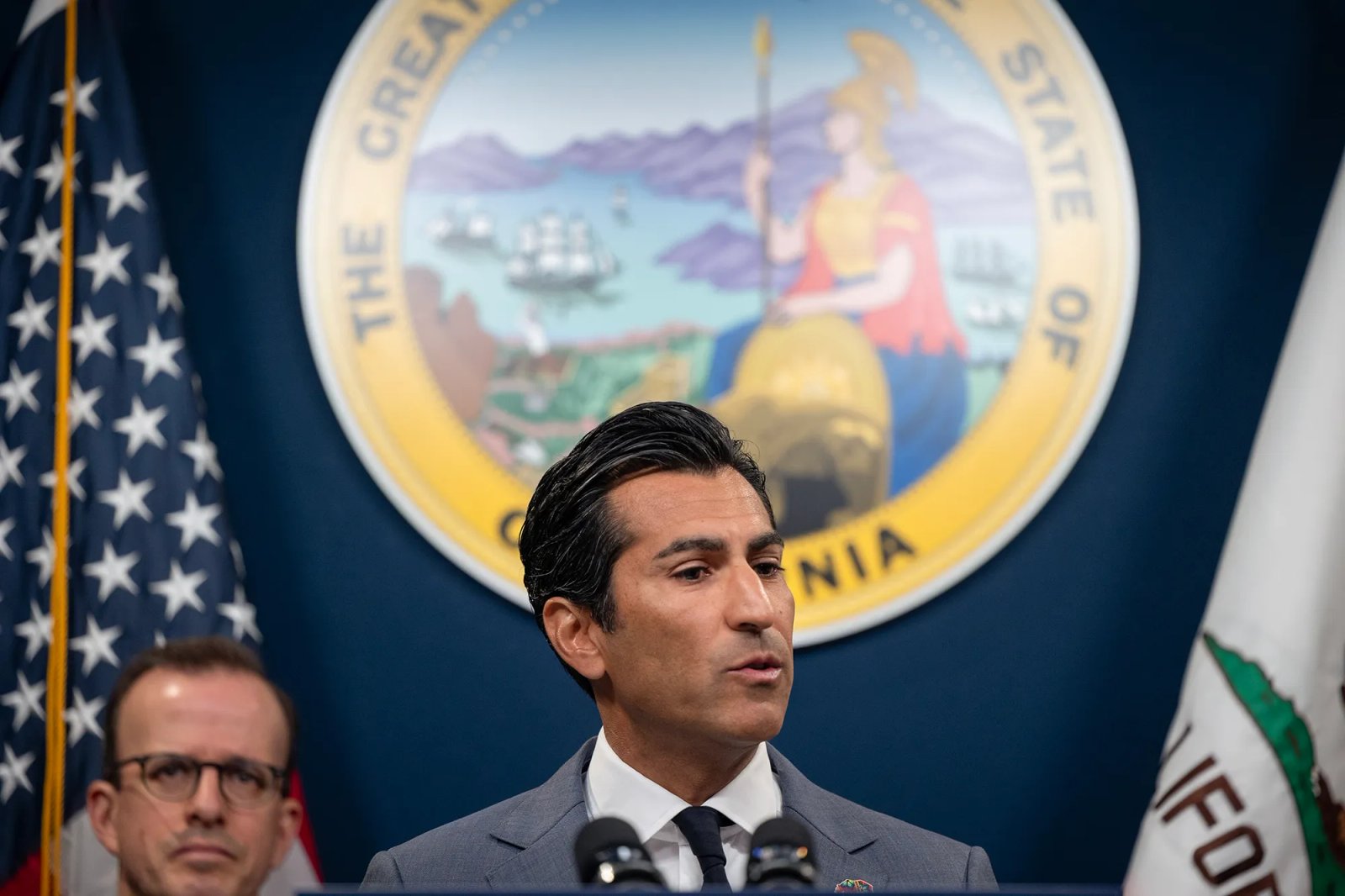
Robert Rivas, the speaker of the state Assembly, says he wants to make real oversight a regular practice starting next year, terming it “outcomes review.”
“Passing laws is only the first step,” Rivas said in a statement as he announced the new effort. “The real test is ensuring they work. Gone are the days when laws can be signed and forgotten. The outcomes review tool empowers Assembly members to evaluate real-world outcomes, engage directly with residents, and refine our solutions for greater impact. It’s a forward-looking approach to oversight that every 21st century Legislature should adopt.”
The program includes identifying specific laws to be examined, scheduling hearings and community meetings to invite public comment on how the targeted laws are working and, finally, announcing what was learned and what, if any, changes need to be made to make the laws more effective.
Rivas said the new process would begin with four measures:
- Assembly Bill 744, passed in 2019 and carried by Assemblywoman Cecilia Aguiar-Curry, a Davis Democrat, requires health insurers to cover medical appointments via the internet the same way as in-person treatments.
- AB 2011, a 2022 measure carried by Assemblywoman Buffy Wicks, an Oakland Democrat, makes it easier to build housing for low-income families in commercial areas.
- AB 488, a 2021 law authored by Assemblywoman Jacqui Irwin, a Democrat from Thousand Oaks, enables the state Department of Justice to regulate online charitable solicitations.
- AB 457, a measure passed this year and carried by Assemblywoman Esmeralda Soria, a Merced Democrat, streamlines permitting for farm worker housing.
On paper, what Rivas proposes makes a lot of sense. The Legislature should have always been checking up on the effects of its decrees, rather than assuming that what it does will automatically have the desired effects.
However, it appears that legislators will have to volunteer their bills for scrutiny, which could mean that only obviously successful ones will be subjected to the process.
It’s difficult to believe that the turkeys — measures that are publicity stunts or payoffs to campaign contributors, for instance — will be scrutinized, much less those with unintended and negative consequences.
If Rivas is serious about oversight, the most controversial measures should be on the list even if their authors don’t volunteer.
One of many examples: a measure Gov. Gavin Newsom signed in 2023 that raises the minimum wage for fast food workers to $20 an hour. Since it took effect, labor unions and the fast food industry have jousted over its impact.
The unions, backed by research from pro-union academics, have argued that the law increases economic security for fast food workers without having negative effects on employment or food prices. The industry counters that it has reduced fast food jobs, hastened the adoption of labor-saving technology and forced outlets to raise prices.
The situation cries out for objective research as part of an oversight process. California has two watchdog entities that could provide it, the State Auditor and the Legislative Analyst’s Office.
To be taken seriously, the Assembly’s new oversight process would have to tackle the tough bills, not just the low-hanging fruit, and ensure that the measures get rigorous and authoritative examination.
This article was originally published on CalMatters and was republished under the Creative Commons Attribution-NonCommercial-NoDerivatives license.
