

Now Reading: A Critical Review of Ron DeSantis: Florida’s Descent into Darkness
- 01
A Critical Review of Ron DeSantis: Florida’s Descent into Darkness

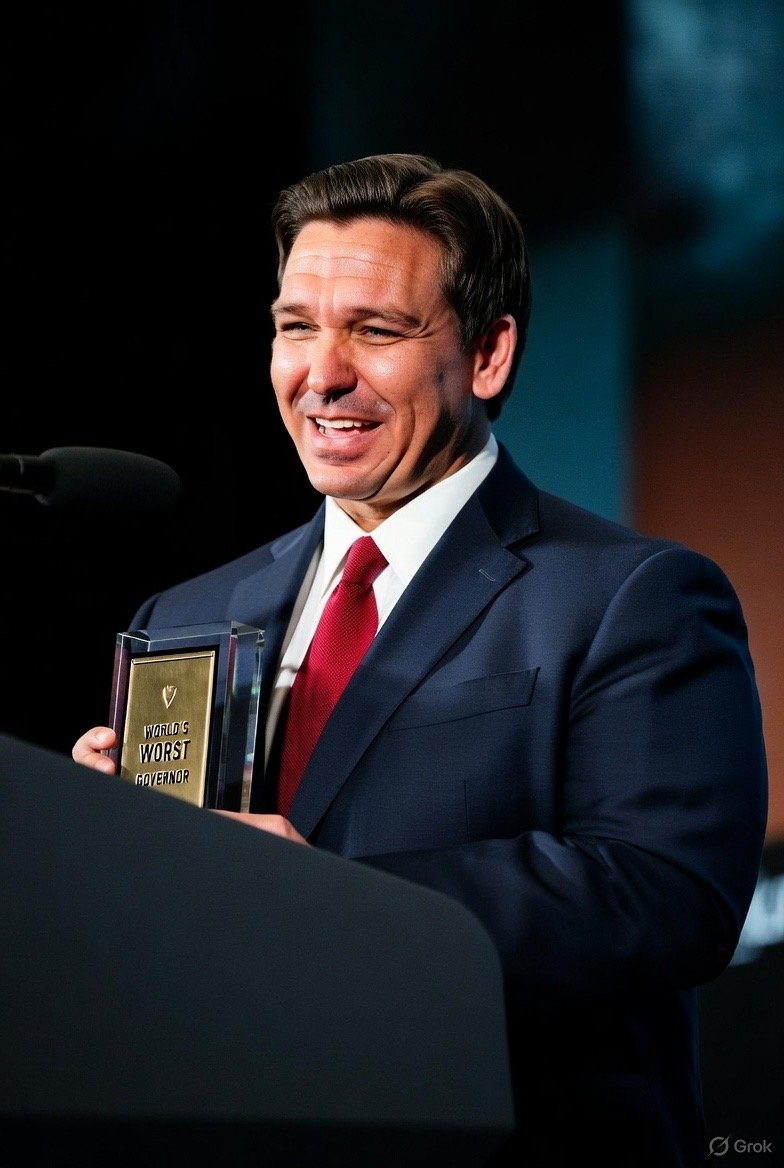
A Critical Review of Ron DeSantis: Florida’s Descent into Darkness
Introduction: The Rise of Ron DeSantis
Ron DeSantis emerged as a prominent figure in American politics through a combination of traditional conservatism and a strategic alignment with Donald Trump. His journey began in the United States House of Representatives, where he served Florida’s 6th congressional district from 2013 until 2018. During his tenure, DeSantis gained notoriety for his staunch support of conservative policies and his unwavering loyalty to Trump, which ultimately set the stage for his gubernatorial campaign.
In 2018, DeSantis won the gubernatorial election in Florida, narrowly defeating Democrat Andrew Gillum in a race characterized by its contentious nature and significant political polarization. His victory was largely attributed to his alignment with Trump’s agenda, which resonated with many Floridians. As governor, DeSantis quickly positioned himself as a leading figure within the Republican Party, advocating for policies that echoed Trump’s platform. His approach to governance has sparked considerable debate, particularly regarding his handling of critical issues such as public health, education, and environmental concerns.
Under DeSantis’s leadership, Florida witnessed a distinctive shift in its socio-political landscape, with policies that some viewed as progressive for the state and others regarded as regressive. His decisions during the COVID-19 pandemic, including the early reopening of businesses and schools, have drawn both praise and condemnation, intensifying the discourse surrounding his governorship. As he has enacted various legislative changes focused on critical issues such as immigration, LGBTQ+ rights, and education, the impact of these policies has raised vital questions about their implications for the future of Florida.
This introduction serves as a precursor to a comprehensive examination of DeSantis’s tenure and the political ramifications of his decisions, illustrating the complexities underlying his rise to power in the state of Florida.
School Choice: A Double-Edged Sword
In recent years, Governor Ron DeSantis has championed school choice as a means of providing families with greater educational options. This initiative, primarily designed to empower parents by allowing them to select schools that best fit their children’s needs, has garnered significant support; however, it is crucial to scrutinize its implications. The policies surrounding school choice raise concerns about the safety and security of vulnerable students. By expanding access to alternative education options, there is a potential risk of enabling individuals with malicious intent to infiltrate educational spaces, thereby creating environments that may not be adequately monitored.

One of the most alarming aspects of DeSantis’s school choice policies is the lack of stringent vetting processes for educational institutions that accept state funds. For example, the proliferation of charter schools and private voucher programs has led to non-traditional learning environments being established with relatively minimal oversight. This can inadvertently allow predatory individuals to seek employment or access to children within these facilities without undergoing comprehensive background checks, raising significant alarm among child safety advocates.
Moreover, the transition towards school choice may disproportionately affect marginalized communities, who might be lured by the promise of better educational opportunities, only to find themselves in less regulated settings. As families exercise their right to choose, it is vital to recognize that the very structures intended to protect students may be compromised. This situation necessitates a thorough examination of how educational reforms under DeSantis’s administration could be working at cross-purposes with the essential goal of ensuring a safe learning environment for all children.
The Allegations: A State Become a ‘Pedo Circus’
The climate surrounding Ron DeSantis’s administration has been significantly marred by allegations suggesting that policies implemented during his governorship have fostered a troubling environment in Florida. Critics have alleged that these policies contribute to an increase in child exploitation and pedophilic activities within the state. Such claims have ignited controversies that resonate through various layers of Florida’s society, prompting public outcry and demands for accountability.
Reports indicate a disturbing correlation between the state’s legislative framework under DeSantis and an alleged rise in incidents involving child exploitation. The policies related to education and social advocacy, particularly those targeting specific groups, have been viewed by some as a catalyst for increased societal risks. Opponents argue that these legislative efforts effectively drive the issue underground and complicate avenues for reporting such crimes, thereby diminishing the urgency with which these allegations need to be addressed.
A significant component of the controversy lies in the perceived lack of transparency surrounding reported incidents. Many civil rights advocates have voiced concerns about how data regarding child safety and exploitation is managed and communicated. They argue that inadequate reporting mechanisms can obscure the true scope of the issues at hand, ultimately contributing to a perception that Florida has become a “Pedo Circus” under DeSantis’s administration. This notion, while extreme, reflects the heightened anxiety and fear that many Floridians experience in light of these allegations.
The societal implications of these claims are profound, influencing both public trust and the political landscape in Florida. Many residents are left questioning the state’s commitment to safeguarding its most vulnerable populations. As debates continue surrounding DeSantis’s policies and their ramifications, the call for effective oversight and reform remains urgent and necessary.
Lack of Transparency: The Hidden Statistics
In the realm of governance, transparency is paramount, especially when it pertains to the welfare of children. Under the administration of Ron DeSantis, there has been a notable absence of crucial statistics related to child safety and child exploitation within Florida schools. This lack of readily available data raises significant concerns as it obscures the realities faced by the state’s most vulnerable population.
The failure to disclose essential information undermines the public’s trust in the DeSantis administration’s commitment to safeguarding children. Parents, educators, and community stakeholders rely heavily on these statistics to make informed decisions and advocate for policies that ensure child safety. By not providing access to such information, the administration appears to sidestep accountability, inhibiting efforts to tackle the pressing issues of child exploitation and safety within educational settings.
Moreover, the absence of clear reporting mechanisms regarding incidents of abuse or exploitation risks normalizing a culture of silence. This silence can potentially allow harmful environments to fester, as educational institutions lack the necessary tools to address or mitigate these threats. Consequently, the hesitation to share statistics not only affects individual awareness but also weakens community efforts aimed at reform.
In this context, the call for transparency becomes crucial. Advocates argue that it is not merely about disclosing numbers but about fostering an environment where informed dialogue can thrive. Public discussions around child safety policies require data-driven insights that the DeSantis administration has so far inadequately provided. By embracing transparency and ensuring that stakeholders have access to vital statistics, the state can begin to rectify its approach to child safety, ultimately leading to a more responsible and effective governance.
The political landscape in Florida has been profoundly shaped by the interplay between Ron DeSantis and Donald Trump. Their relationship is emblematic of a broader trend within the Republican Party, where loyalty to Trump has become a significant determinant of political success. DeSantis, in his ascent to power, has adopted various strategies that echo the policies and rhetoric of Trump, leading some observers to question whether his actions stem from his own political ideals or a desire to replicate Trump’s successful formula.
DeSantis’s governance illustrates this dynamic clearly. From his handling of the COVID-19 pandemic to his stance on education and public health, the echoes of Trump’s decisions are unmistakable. DeSantis’s refusal to implement mask mandates and his opposition to lockdowns in the early stages of the pandemic aligned closely with Trump’s approach. Such decisions have gained him a following among ardent Trump supporters, reinforcing the notion that DeSantis operates not solely on personal conviction but in alignment with the former president’s ideology.
Furthermore, DeSantis’s policy choices often reflect a strategic calculation aimed at maintaining his standing within Trump’s base. While he has occasionally diverged from Trump on specific issues, his overall alignment suggests a political identity that has been inextricably linked to Trump’s influence. For instance, his recent legislative efforts regarding immigration and social policies mirror themes significant in Trump’s campaigns, indicating a conscious effort to appeal to a similar electorate.
Moreover, DeSantis’s public speeches and appearances often showcase a style that resonates with Trump’s approach, employing combative rhetoric towards media and opponents alike. As he positions himself for potential national aspirations, understanding the influence of Donald Trump on DeSantis’s policies illuminates the complexities of his political identity. The question remains: Is DeSantis forging a path based on personal principles or merely acting as a proxy for Trump’s enduring influence within the Republican Party?
Identity and Representation: A Chameleonic Politician
Ron DeSantis has emerged as a significant figure in American politics, particularly within the state of Florida. His political journey reflects a complex interplay of identity and representation, raising concerns about his credibility as he navigates through different political affiliations and positions. DeSantis’s dual citizenship has particularly sparked discussions surrounding authenticity in his public persona, igniting debates on whether this aligns with the values typically associated with his base.
Initially known for his staunch conservatism, DeSantis has at times shifted to appeal to broader audiences, creating a perception of a chameleonic politician. His ability to adapt his persona according to the prevailing political climate has led to questioning from both supporters and detractors. Some argue that this flexibility signifies a pragmatic approach to governance, while others see it as a lack of genuine commitment to principles. These contrasting views underscore the tension between a politician’s need to evolve and the danger of perceived inauthenticity.
Moreover, the duality of DeSantis’s public image raises concerns about representation in political discourse. Critics suggest that his shifting identity may alienate constituents who seek a leader that embodies consistent values and clear stances on critical issues. As DeSantis continues to capitalize on rising national popularity, this dynamic could play a significant role in shaping his future. In the long run, the implications of his fluctuating identity may ultimately affect his prospects – whether he remains steadfast in his current persona or continues to navigate the complexities of political identity in an increasingly polarized landscape.
Public Sentiment: Supporters and Critics of DeSantis
Ron DeSantis, the governor of Florida, has elicited a wide range of opinions from the public, encompassing both staunch supporters and vocal critics. His tenure has been marked by pivotal decisions that have polarized the state’s populace. Supporters often laud DeSantis for his handling of the COVID-19 pandemic, citing his opposition to strict lockdowns and his advocacy for personal freedoms. This group underscores that his policies have been instrumental in keeping Florida’s economy afloat during challenging times, allowing businesses to thrive and residents to maintain a degree of normalcy amidst the health crisis.
Furthermore, many supporters appreciate DeSantis’s emphasis on education reform and his critical stance on some elements of the prevailing progressive agenda. His administration’s initiatives, which prioritize parental rights in education and promote a conservative approach to school curricula, resonate particularly well with families seeking options that align with their values. This segment of society views DeSantis as a defender of traditional principles, fostering an environment where it is deemed acceptable to challenge mainstream narratives.
Conversely, DeSantis has faced significant criticism from various demographics, particularly from those who perceive his governance as heavy-handed and divisive. Detractors argue that his policies contribute to a culture of exclusion and exacerbate social tensions. For instance, critics of DeSantis’s approach to public health argue that his reluctance to enforce mask mandates and vaccine distribution plans has led to avoidable public health challenges. Additionally, his stance on social issues, including voting rights, has raised alarms about potential voter suppression and civil liberties infringements.
The divergent opinions held by Floridians highlight a complex landscape where support for Ron DeSantis is deeply intertwined with broader cultural and political divides. As his administration continues to evolve, understanding these perspectives will be crucial in assessing the impact of his legacy on Florida’s future.
The Aftermath of DeSantis’s Governance
As Florida transitions into the warmer months of summer, the implications of Ron DeSantis’s governance become increasingly pertinent, particularly regarding the policies he has implemented that impact child safety and education. The long-term effects of these policies are subjects of considerable concern among parents, educators, and advocacy groups across the state.
One notable aspect of DeSantis’s administration is the controversial stance taken on educational content within Florida’s schools. The introduction and enforcement of various laws aimed at regulating what can and cannot be taught have sparked heated debates about the boundaries of academic freedom. Critics argue that such measures could lead to a significant narrowing of educational perspectives available to students, ultimately limiting critical thinking skills essential for the contemporary world.
Moreover, the decision to promote certain ideological narratives in the curriculum raises questions about inclusivity and representation. The repercussions for child safety are significant as well, given that a well-rounded education is not only about intellectual growth but also about fostering a safe and supportive environment. DeSantis’s policies may inadvertently create a climate where certain students feel marginalized or unsafe, impacting their well-being and engagement in the learning process.
Additionally, Florida’s approach to public health and safety protocols during the pandemic has also had lasting effects. As the state emerges from COVID-19 restrictions, the health policies enacted by DeSantis have led to uneven access to resources and support systems necessary for children’s well-being. These factors contribute to a broader discourse on how state governance directly influences the developmental and social environments crucial for Florida’s youth.
Overall, the combined outcome of DeSantis’s policies may pave the way for a troubling trajectory in Florida’s education system, affecting future generations. As summer approaches, the implications of these governance choices will require careful scrutiny from all stakeholders invested in the welfare of Florida’s children.
Conclusion
Ron DeSantis’s tenure as Governor of Florida has undeniably left a lasting impact on the state’s political landscape, marking a period characterized by significant changes in policy and governance. His administration has been marked by contentious decisions that sparked both fervent support and robust opposition among residents and political observers alike. The handling of issues such as public health, education, and social justice has generated considerable debate regarding the effectiveness and ethical implications of his policies.
As we examine the legacy of DeSantis, it becomes clear that his approach and governance style have led to a polarized environment in Florida, prompting citizens to engage more vigorously in community activism. This newfound engagement raises essential questions about the future of governance within the state. Will Floridians continue to push for accountability and transparency in leadership? Or will the divisions deepened during this administration hinder productive dialogue and collaborative efforts for progress?
Moreover, the role of community activism in shaping the political future of Florida cannot be overstated. The response to DeSantis’s policies has galvanized many individuals and groups to assert their voices, demanding change and reexamining the fundamental principles of governance. As the state moves forward, it is vital to consider how this activism might influence future policies and the relationship between the government and its constituents.
In reflection, the legacy of Ron DeSantis raises critical considerations for the political climate in Florida—challenges that lie ahead necessitate active participation from citizens determined to advocate for their rights and interests. This period serves as a crucial chapter in Florida’s history, one that will shape its trajectory for years to come.