
Now Reading: Data Doctors: Are eSIMs safe to use while traveling?
- 01
Data Doctors: Are eSIMs safe to use while traveling?

Data Doctors: Are eSIMs safe to use while traveling?
The bigger risk usually isn’t the eSIM technology, it’s choosing the wrong provider that doesn’t have good coverage or services for the country you’re visiting.
Q: Are eSIMs safe to use while traveling abroad?
A: If you’ve traveled internationally lately, you’ve probably seen eSIM ads everywhere: “Instant data in 190 countries!” “No SIM card needed!” And the convenience is real. You land, scan a QR code, and you’re online.
But the question many may have is: are eSIMs safe to use?
In general, yes — eSIMs are very safe. The bigger risk usually isn’t the eSIM technology, it’s choosing the wrong provider that doesn’t have good coverage or services for the country you’re visiting.
What is an eSIM?
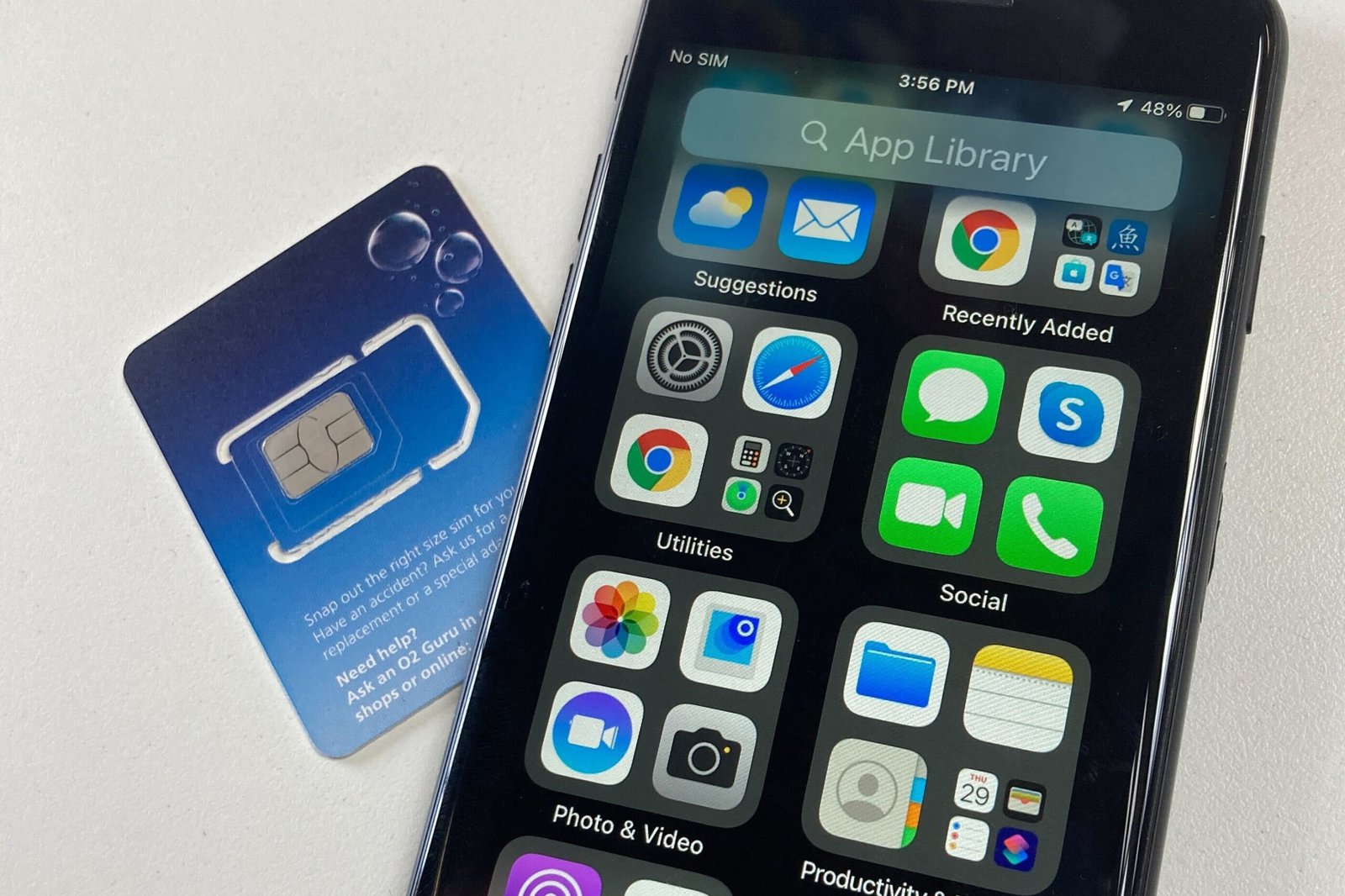
An embedded Subscriber Identity Module, or eSIM, is simply a digital version of the little plastic SIM card that used to live in your phone. It stores the information your phone needs to connect to a cellular network. Instead of swapping cards, you download a plan onto your phone using a QR code or an app.
From a security standpoint, eSIMs can actually be more secure than physical SIMs because they can’t be removed and inserted into another device as easily.
The real safety question: who are you buying it from?
Most travel eSIM providers are legitimate, but the market has attracted plenty of “too-good-to-be-true” deals. A questionable provider may not “hack” your phone, but they can still create problems: unreliable coverage, confusing limitations, poor support or sloppy handling of your personal information. Some may also not include voice or SMS services.
How to spot a reputable eSIM provider
Here’s a quick checklist to use:
- Independent reviews: Look beyond app store ratings. Search for real traveler feedback on Reddit, Trustpilot and other travel forums. Consistent reports across multiple trips matter more than five-star hype.
- Transparency: Reputable providers clearly list supported countries, expected speeds, hot spot rules and which local networks they use. Vague details are a red flag.
- Reasonable pricing: If the plan is unbelievably cheap, there’s usually a catch: throttled speeds, weak coverage or restrictions that appear after you’ve already paid.
- Customer support: Test them before you fly. Send a question and see if you get a clear, human response.
- Refund and expiration policies: Good companies spell out how long the plan lasts and what happens if you don’t use it.
Names that often come up in traveler discussions include Airalo, Holafly, Nomad, Saily and Ubigi. You still need to compare plans by country and usage, but those are commonly used options.
Before you buy anything, check your home carrier
This is the step many people skip. Your current provider may offer an international day pass or travel plan that keeps your normal number active. That can be a big deal because your phone number is tied to important things like banking alerts and two-factor authentication codes.
Home-carrier plans are often more expensive than travel eSIM data, but they’re usually the simplest option for short trips or for anyone who doesn’t want to troubleshoot their settings while overseas.
Don’t forget the basics
Even with a good eSIM, your phone still needs good security habits: keep your operating system updated, use a strong passcode, enable Face ID/Touch ID and turn on two-factor authentication. If you’re doing banking or business work abroad, using a VPN is still a smart extra layer.
Get breaking news and daily headlines delivered to your email inbox by signing up here.
© 2026 WTOP. All Rights Reserved. This website is not intended for users located within the European Economic Area.