
You May Also Like

Minneapolis officials are weighing residents’ concerns about privacy and transparency as the city considers whether to use drones during 911 calls.
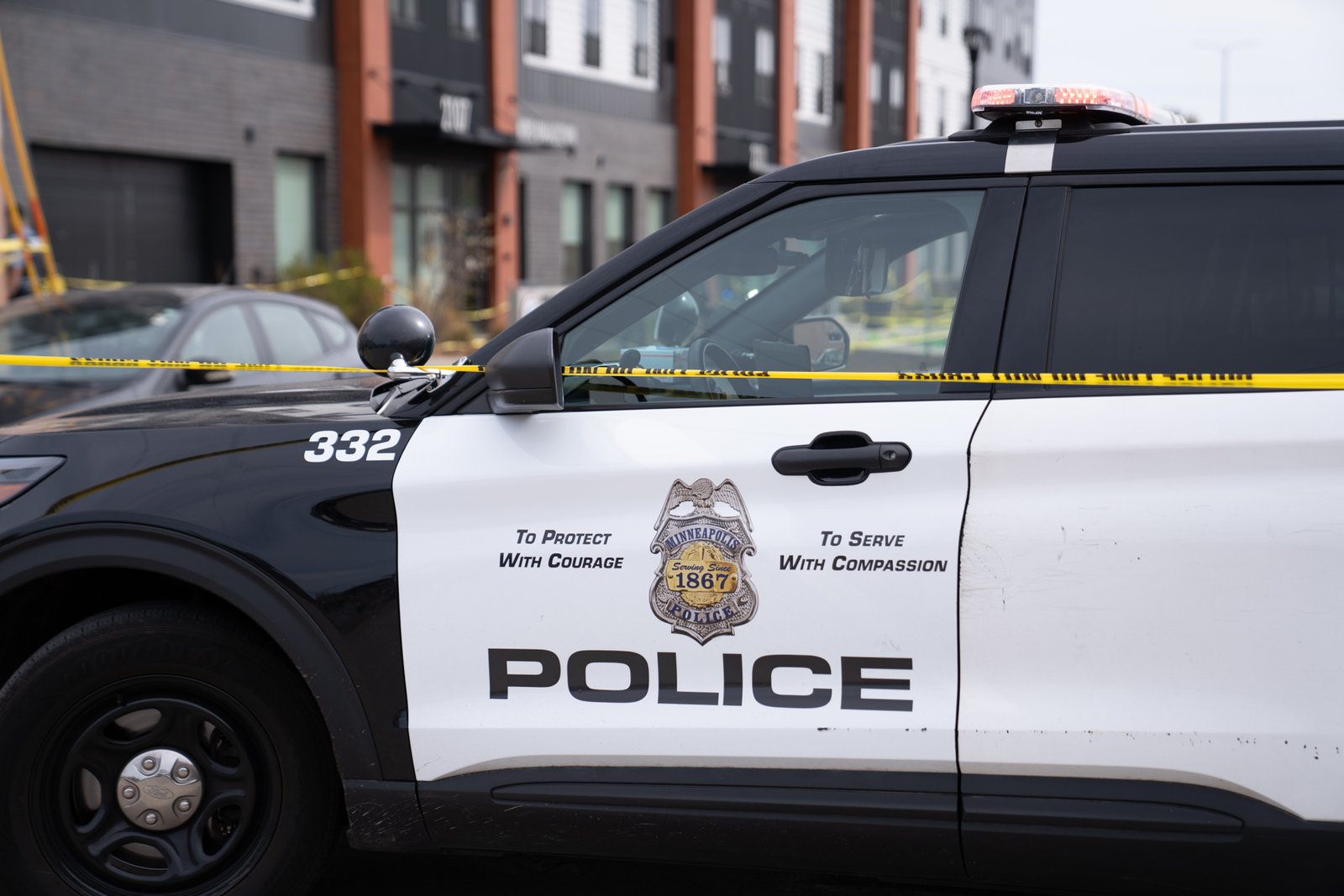
The Minneapolis City Council’s Public Health, Safety and Equity committee will hold a public hearing Wednesday following a presentation from the Minneapolis Police Department regarding a proposed pilot program that would deploy drones to 911 calls before first responders arrive.
The meeting starts at 1:30 p.m. Wednesday in Room 380 at Minneapolis City Hall, 350 South 5th Street. Multiple activist groups are calling on community members to attend the hearing and make their voices heard during the public comment period after the police presentation.
Police say the program would help reduce 911 response times and keep first responders safe. However, some residents are concerned the technology could further militarize local police, and will lead to invasion of privacy.
The Drones as First Responders program would involve drones streaming live video to 911 dispatchers and first responders, allowing the latter to see what’s happening at a scene before they arrive.
The program would start with a free 75-day trial period conducted at Minneapolis police’s Fourth Precinct on the city’s north side. The project would cost about $150,000 per year should it continue past the pilot period, according to the Minneapolis police.
Sarah Heller, an artist and north Minneapolis resident, said that while police have said drones will be used for rapid emergency response, she’s heard from other city officials that the drones will help identify issues like illegal dumping and illegal auto repair shops. Inconsistent messaging about drone usage makes residents question whether there is agreement about how the department will use the technology, Heller said.
“There’s also a lot of concern that they’re going to be used outside of the law and outside of whatever stated purpose the police department says they will use them for, and that there will be no oversight or way to push back on that,” Heller told Sahan Journal. “You’ll go outside one day and there’s a drone over your house and it’s a police drone, and you don’t know why it’s there, you don’t know why it’s taking footage of you or your yard and you can’t find any information about why it’s there or what happened, and whether you are now exposed somehow.”
Heller said Minneapolis police’s proposed use of the technology blurs the lines between military personnel and local police, because the company that would provide Minneapolis’ drones, Skydio, supplies drones to the U.S. military and Israeli Defense Forces. A single business using the technology to aggregate data from warzones and U.S. cities, and not being transparent about what they are doing with that data, is very concerning, she said.
“They are behaving more like a military organization meant to suppress the populace than it is like (assisting) a civilian police force trying to keep a community safe,” she said of Skydio.
Five other Minnesota police departments – St. Paul, Rochester, Duluth, Minnetonka and Brooklyn Park – already partner with Skydio, the largest drone manufacturer in the country, for drone usage at potential crime scenes. In recent months, several other police departments around the Twin Cities have also been exploring whether to add the technology to their arsenals.
The St. Paul Police Department has been using drones since 2023, which the department says provides real-time information to officers from above a scene. The city announced late last month that it is expanding its use of drones to the fire department, where thermal imaging via the drones’ cameras will help firefighters identify hot spots in buildings.
A 2020 Minnesota law limits the use of drones by local law enforcement agencies to specific authorized uses, which include during or in the aftermath of an emergency situation that involves the risk of death or bodily harm to a person, at a public event where there is heightened risk to the safety of attendees and to collect information from a public area if there is reasonable suspicion of criminal activity, among others.
The statute also requires agencies to report the number of times drones have been deployed without a search warrant, the date and the reason for its use and the total cost of the agency’s drone program.
A Use of Unmanned Aerial Vehicles report released by the Minnesota Bureau of Criminal Apprehension last month showed that Minnesota police agencies are steadily using drones more often in cases where a warrant isn’t needed. That practice has climbed since 2020, jumping from just under 1,200 reported uses in 2020 to more than 9,000 uses in 2025. Minnesota local law enforcement agencies spent more than $1.3 billion on drones in 2025, according to the report.
The Rochester Police Department was the most frequent deployer of drones without warrants in 2025, according to the report, with 1,009 uses. The department launched a drones-as-first-responders program last year.
The Minnesota State Patrol came in second with 633 uses, and the Minnetonka Police Department was third with 611 uses.
The Free Palestine Coalition, a group of Twin Cities organizations mobilizing against the Israeli government’s actions in Gaza, is asking Minneapolis to reject the contract with Skydio due to the company’s relationship with the Israeli military. The coalition says Skydio has used the technology to impose mass surveillance on Palestinians.
As more police departments become comfortable using the technology, the potential expansion from 911 response to everyday surveillance is a “main concern,” said Maamoun Slayhi, a member of the coalition.
“They need to slow down and ask whether this technology is necessary, and find less invasive alternatives, because these technologies never stay in their lane,” Slayhi told Sahan Journal.
Adam Wandt, associate professor at John Jay College of Criminal Justice, said drone technology can have an “incredibly positive” impact on public safety. For example, motor vehicle chases, which endanger the lives of officers and passersby, can be safely monitored by drones, and search-and-rescue operations in wooded areas can be more easily conducted with drones’ infrared and thermal technology, he said.
But, he said, accountability and transparency to the public are the most important part of a law enforcement agency’s adoption of new technology.
“What it basically comes down to, in my point of view, is that law enforcement has a lot of positive ways to use drones, but they need to have a dialogue with the public,” Wandt said. “They need to be able to be held accountable. There needs to be an understanding … as to when they’re appropriate to use and when they’re not.”
