

Now Reading: Legal Battle Heats Up in Florida’s Governor Race: Jay Collins Challenges James Fishback’s Candidacy
- 01
Legal Battle Heats Up in Florida’s Governor Race: Jay Collins Challenges James Fishback’s Candidacy

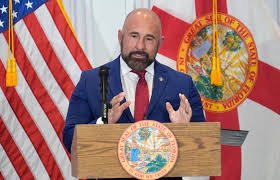
Legal Battle Heats Up in Florida’s Governor Race: Jay Collins Challenges James Fishback’s Candidacy
Overview of the Legal Challenge
The legal challenge initiated by Jay Collins against his opponent James Fishback has garnered significant attention in the context of Florida’s governor race. Collins has raised several claims regarding Fishback’s eligibility to run, suggesting that procedural missteps during the nomination process should disqualify him from the ballot. This assertion is rooted in Florida’s election laws, which stipulate specific criteria candidates must meet to be considered eligible. Collins argues that Fishback failed to comply with these requirements, raising questions about transparency and adherence to the law in the electoral process.
Furthermore, the challenge includes allegations regarding potential conflicts of interest and the legitimacy of Fishback’s campaign financing, which Collins claims may have been obtained through questionable means. This aspect of the challenge not only seeks to question Fishback’s financial endorsements but also aims to highlight broader issues of ethics within the political landscape of Florida. The implications of these claims extend beyond the candidates involved; they could affect voter trust and the overall integrity of the election process in the state.
Collins’ motivation to challenge Fishback is multifaceted. Politically, it is a strategic move to position himself as a more viable candidate by undermining his opponent’s credibility. Additionally, Collins has positioned himself as a champion of transparency and lawful conduct, tapping into voter sentiments regarding the necessity of ethical governance. This legal dispute arrives at a critical juncture during the election cycle, intensifying scrutiny on both candidates and prompting discussions among voters about fairness in elections.
As the legal proceedings unfold, the ramifications of this challenge will likely shape the dynamics of the governor race, setting a precedent for future candidacies while reflecting the contentious nature of current Florida politics.
Background on Candidates
In the heat of Florida’s governor race, the political narratives of Jay Collins and James Fishback offer intriguing insights into their respective candidacies. Jay Collins, a Republican, has established himself as a notable figure in Florida’s political arena, serving previously as a State Representative. His tenure is marked by efforts to bolster economic growth and enhance public safety, which resonate with a substantial segment of Florida voters. Collins advocates for a robust economic policy aiming at reducing taxes and deregulating businesses to foster entrepreneurship, aiming to attract more investments to Florida.
Conversely, James Fishback, representing the Democratic Party, approaches the political landscape from a different angle. Fishback, a former local government official with a reputation for progressive advocacy, focuses on social justice and environmental sustainability. His policies include expanding access to healthcare, advocating for higher minimum wages, and promoting clean energy initiatives. Fishback’s campaign strategy emphasizes grassroots engagement, utilizing social media platforms to connect with young voters and those disillusioned with traditional politics.
The contrasting political philosophies of Collins and Fishback represent the broader ideological divide in Florida. While Collins presents a pro-business narrative that appeals to conservative values, Fishback’s focus on inclusivity and sustainability caters to a more progressive audience. This distinction is critical as it influences voter alignment and engagement throughout their campaigns.
Both candidates have garnered significant support but face skepticism as well. Collins’s hardline stance on certain issues may alienate moderates, whereas Fishback’s progressive strategies might not resonate with Florida’s more conservative voter base. These complexities create an intriguing dynamics as the election approaches, showcasing Florida’s diverse political landscape.
Implications for the Florida GOP Race
The ongoing legal challenge initiated by Jay Collins against James Fishback in the Florida governor race introduces an array of potential outcomes that could significantly reshape the electoral landscape for the Republican Party in the state. This legal dispute does not merely affect the two candidates involved; it has broader implications that may reverberate throughout the GOP.
First and foremost, the lawsuit may impact voter sentiment among the GOP base. Florida voters are especially attuned to the dynamics of their party, valuing integrity and clarity in their leadership. Should the legal proceedings cast doubts on Fishback’s candidacy or legitimacy, it may polarize the party, leading to a factional divide that could diminish voter enthusiasm during the primary election.
Moreover, such a legal entanglement can strain party unity. In instances where a prominent candidate faces challenges, factions within the party may emerge, each rallying behind their preferred candidate. If Collins’ challenge gains traction, it could lead to a scenario where party members are more divided than united, undermining a collective GOP stance in the general election.
Additionally, the strategies of potential challengers moving forward will inevitably change. Candidates will need to assess how they position themselves within the context of this legal challenge. Some may choose to distance themselves from Fishback, leveraging the controversy as a way to appeal to voters who seek a clear alternative. Others might rally around him, arguing that the legal maneuver is an attack on legitimate candidacies, thus invoking a rally-around-the-flag effect to unify the base.
In conclusion, the legal battle involving Collins and Fishback holds profound consequences for the Florida GOP race. It may not only influence the immediate electoral dynamics but could also lead to longer-term shifts in party organization and voter engagement strategies.
Conclusion and Next Steps
The legal dispute between Jay Collins and James Fishback is emblematic of the turbulence that often accompanies electoral contests, especially in a politically charged environment such as Florida. The lawsuit’s significance not only lies in its immediate impact on the candidacies involved but also on the broader dynamics of the upcoming election. As the legal proceedings unfold, it is likely to provoke a range of responses from the candidates, party stalwarts, and voters alike, further entrenching the issues around leadership and accountability within the state’s political landscape.
This case may serve as a pivotal moment that could either solidify Fishback’s position as a credible candidate or provide Collins with a critical opportunity to enhance his campaign narrative, highlighting the seriousness of electoral integrity. Given the stakes, observers can expect heightened scrutiny from party members who may rally around their respective candidates, either in support of Fishback’s legitimacy or in solidarity with Collins’ challenge to the status quo.
As for the next steps, the legal teams will likely prepare for hearings that could determine the path forward for both candidates. Depending on the outcomes of these proceedings, we may witness shifts in campaign strategies, potential endorsements, or realignments of voter support, particularly if new information comes to light. Furthermore, the implications of this lawsuit may resonate beyond the candidates, affecting party unity and even influencing the attitudes of undecided voters.
In light of this unfolding scenario, the focus will remain on the candidates’ public engagements and their responses to both the legal challenges and the demands of their supporters. The evolving narrative will undoubtedly shape the political landscape in Florida as the election nears, marking this lawsuit as a critical episode worth following closely.