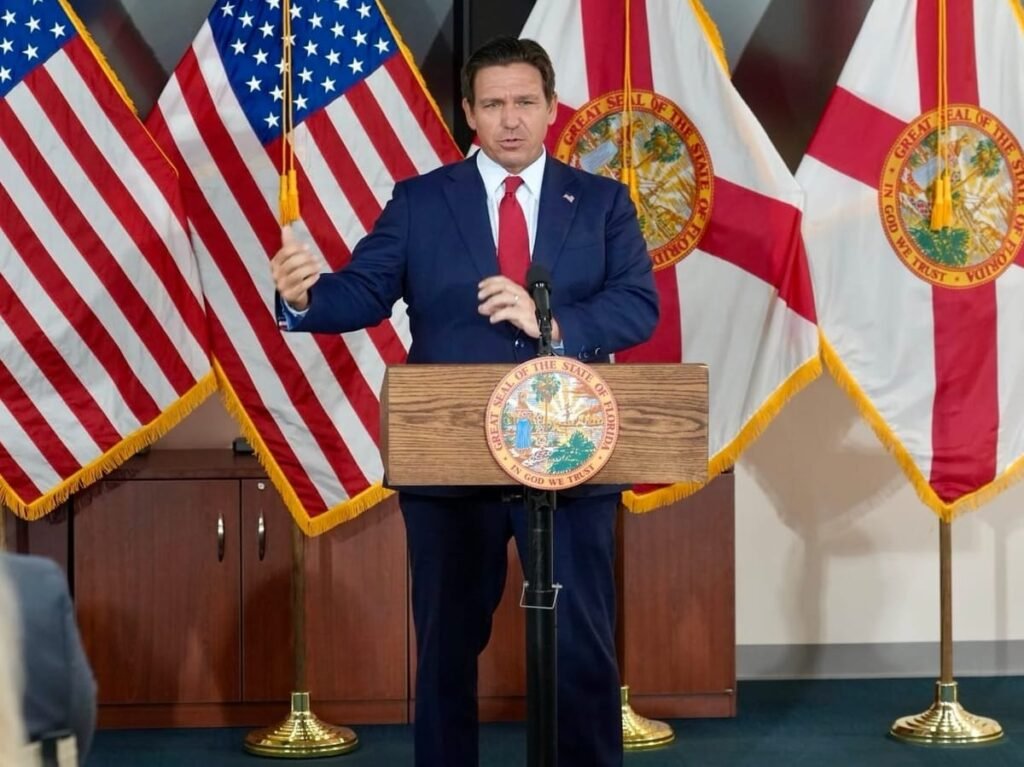

Now Reading: Ron DeSantis: Paving the Way for Affordable Air Conditioning in Florida
- 01
Ron DeSantis: Paving the Way for Affordable Air Conditioning in Florida

Ron DeSantis: Paving the Way for Affordable Air Conditioning in Florida
The Importance of Air Conditioning in Florida
Florida, known for its warm and humid climate, experiences extremely high temperatures throughout much of the year. This climate creates a significant demand for effective air conditioning systems, particularly during the peak summer months when temperatures can soar above 90 degrees Fahrenheit. Given such conditions, air conditioning is not merely a luxury; it is a critical necessity for many residents across the state.
Extreme heat poses various health risks that can significantly affect individuals, particularly vulnerable populations such as the elderly, young children, and low-income families. Excessive heat exposure can lead to serious health issues, including heat exhaustion and heat stroke, which can be life-threatening without adequate cooling systems. For the elderly, the risks are magnified due to slower physiological responses to heat, making air conditioning an essential service for ensuring their safety and well-being.
Additionally, studies show that exposure to high temperatures can exacerbate pre-existing health conditions, such as respiratory and cardiovascular illnesses, further emphasizing the necessity for affordable and accessible air conditioning. Moreover, low-income families face unique challenges; often, they are unable to afford the installation and maintenance of air conditioning systems, leaving them more susceptible to heat-related illnesses.
As Florida’s climate continues to warm due to broader environmental changes, the necessity for efficient cooling systems becomes even more pronounced. Addressing this need through policies and initiatives can promote not only a higher quality of life but also improve public health outcomes throughout the state. Considering air conditioning within the context of health and safety is fundamental, making discussions around accessibility, affordability, and policy reform essential in ensuring all Floridians can maintain safe living conditions in the face of rising temperatures.
Ron DeSantis’ Role in Addressing Air Conditioning Costs
As Florida experiences soaring temperatures, the issue of affordable air conditioning has become increasingly significant. Governor Ron DeSantis has the opportunity to address this pressing concern through various strategic initiatives. One of the most impactful steps he could propose is state support for low-income households, enabling them to afford air conditioning units and installation costs. Access to a reliable and effective cooling system is crucial for these families, improving not only comfort but also health and safety in the sweltering heat.
In addition to direct support for low-income residents, DeSantis could advocate for tax incentives that encourage both the purchase and installation of air conditioning systems. By providing financial benefits to households investing in air conditioning, consumers might be more inclined to make necessary purchases. This approach not only alleviates immediate cost burdens but also stimulates local economic growth, as contractors and manufacturers profit from increased demand. Furthermore, integrating energy-efficient models into this incentive program would result in dual benefits, helping to reduce utility bills for households in the long term while promoting environmental responsibility.
The promotion of energy-efficient air conditioning systems could also be a pivotal focus for DeSantis as part of his broader environmental agenda. By highlighting the long-term cost savings and the reduction in carbon footprints these efficient systems offer, Governor DeSantis can align himself with both economic and ecological priorities. His advocacy for modern, sustainable cooling solutions could resonate strongly with Florida residents, establishing a point of connection in his campaign platforms.
Through these initiatives—state support, tax incentives, and energy-efficient advocacy—Ron DeSantis has a distinct opportunity to enhance the affordability of air conditioning across the state. This approach not only addresses immediate financial challenges faced by Floridians but also sets the stage for long-term benefits, reinforcing his commitment to improving living conditions in Florida.
Building Public Support and Political Capital
Addressing the rising costs of air conditioning is a critical step for Governor Ron DeSantis in fortifying his relationship with constituents in Florida. As extreme weather continues to intensify, the demand for effective cooling solutions has become more pronounced, leading to a significant increase in utility costs. Public polling indicates that voters prioritize affordability in utility expenses, with air conditioning being a prominent concern during the sweltering months.
By actively engaging with the issue of air conditioning costs, DeSantis not only demonstrates that he is attuned to the everyday challenges faced by Floridians but also positions himself as a proactive leader. Voters are increasingly looking for candidates who advocate for practical solutions that directly impact their lives. A focus on lowering utility costs, specifically for air conditioning, could resonate well with constituents who are grappling with financial burdens linked to extreme heat.
Furthermore, the political implications of addressing these concerns cannot be overlooked. Tackling rising air conditioning costs could enhance DeSantis’ standing among voters who often evaluate leaders based on their responsiveness to urgent issues. Such an approach may facilitate broader electoral support, allowing him to cultivate a robust base as he navigates the political landscape leading up to potential presidential candidacy.
Additionally, recent surveys show a strong correlation between support for utility cost reform and voter sentiment, indicating that prioritizing this issue could serve as a means to solidify his political capital. By framing air conditioning costs as part of a larger commitment to affordability and public welfare, DeSantis could foster goodwill among constituents, positioning himself favorably in the eyes of his electorate during this critical period for Florida and beyond.
The Broader Implications for His Presidential Campaign
Ron DeSantis, the Governor of Florida, has long been known for his proactive stance on pressing issues affecting his constituents. One of the recent initiatives that stands out is his focus on making air conditioning more accessible across the state. This priority can significantly impact his presidential campaign by shaping a narrative of a leader who is genuinely responsive to the everyday needs of the people. In a state known for its sweltering summers, enhancing air conditioning access is not merely a logistical challenge; it is a matter of public health and safety.
By positioning himself as an advocate for affordable air conditioning—an issue directly affecting millions—DeSantis can project an image of empathetic governance. Addressing such a real-life challenge demonstrates his commitment to improving the quality of life for ordinary Floridians. As he attains success in implementing these programs, he not only strengthens his credibility at the state level, but he also creates a strong platform for his national campaign. His focus on pragmatic solutions can attract voters who prioritize candidates that address tangible issues over abstract political rhetoric.
Moreover, DeSantis’ initiative fosters a sense of community engagement. When citizens see their leader taking actionable steps to alleviate everyday burdens, it can foster loyalty and galvanize support. This ripple effect may extend beyond Florida, influencing national voter sentiment. Voters across the country may appreciate a candidate who understands regional challenges and approaches them with effective policies, expanding DeSantis’ appeal despite the often polarized political landscape.
Ultimately, successfully associating his campaign with practical solutions like affordable air conditioning could serve as a potent differentiator for Ron DeSantis in the presidential primaries, distinguishing him from opponents who may not prioritize similar issues.