
You May Also Like

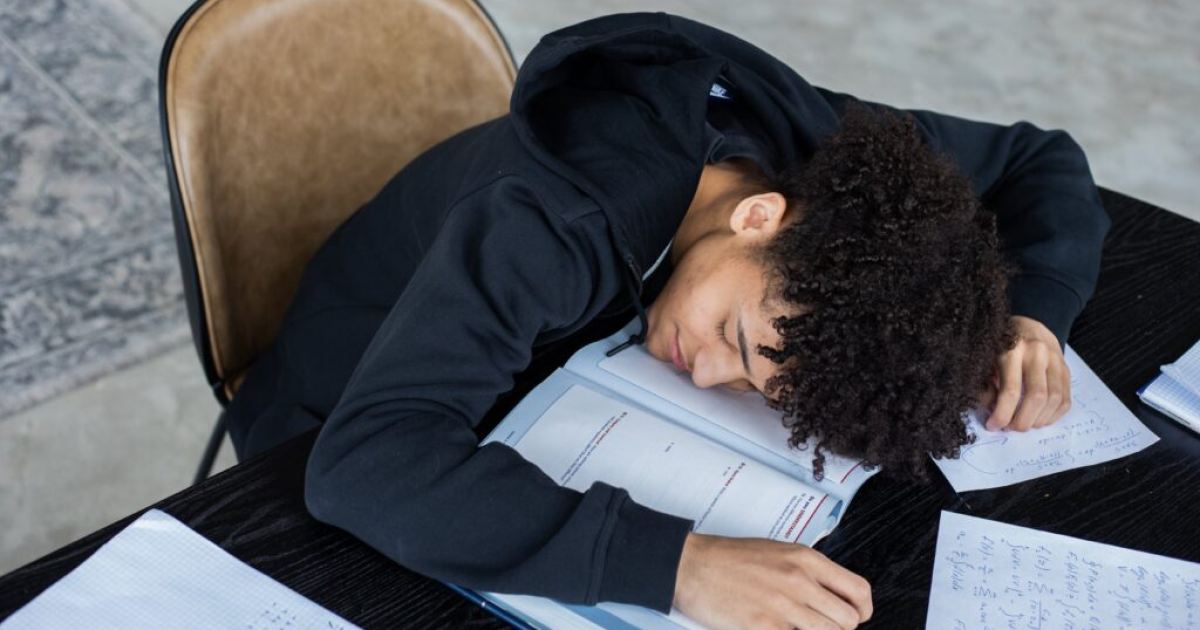
Insufficient sleep, particularly among adolescents, has been identified as a public health epidemic.
Michigan lawmakers recently observed Sleep Deprivation Awareness Day to highlight the impacts to physical and mental health. Teenagers, in particular, struggle with early school start times due to a shift in their biological clock.
Spokesperson for Start School Later Katherine Nish says this delays the release of melatonin in adolescents.
“So, it makes it very hard for teens to fall asleep before 11 or midnight. And then, conversely, they need that early morning REM sleep for memory consolidation.”
The American Academy of Pediatrics and the American Academy of Sleep Medicine support later school start times, due to a chronic sleep deficit observed in teens.
Non-commercial, fact based reporting is made possible by your financial support. Make your donation to WEMU today to keep your community NPR station thriving.
Like 89.1 WEMU on Facebook and follow us on X (Twitter)
Contact WEMU News at 734.487.3363 or email us at studio@wemu.org
