
Now Reading: The strange story behind Colorado’s ‘no catch’ free e-bike company
- 01
The strange story behind Colorado’s ‘no catch’ free e-bike company

The strange story behind Colorado’s ‘no catch’ free e-bike company
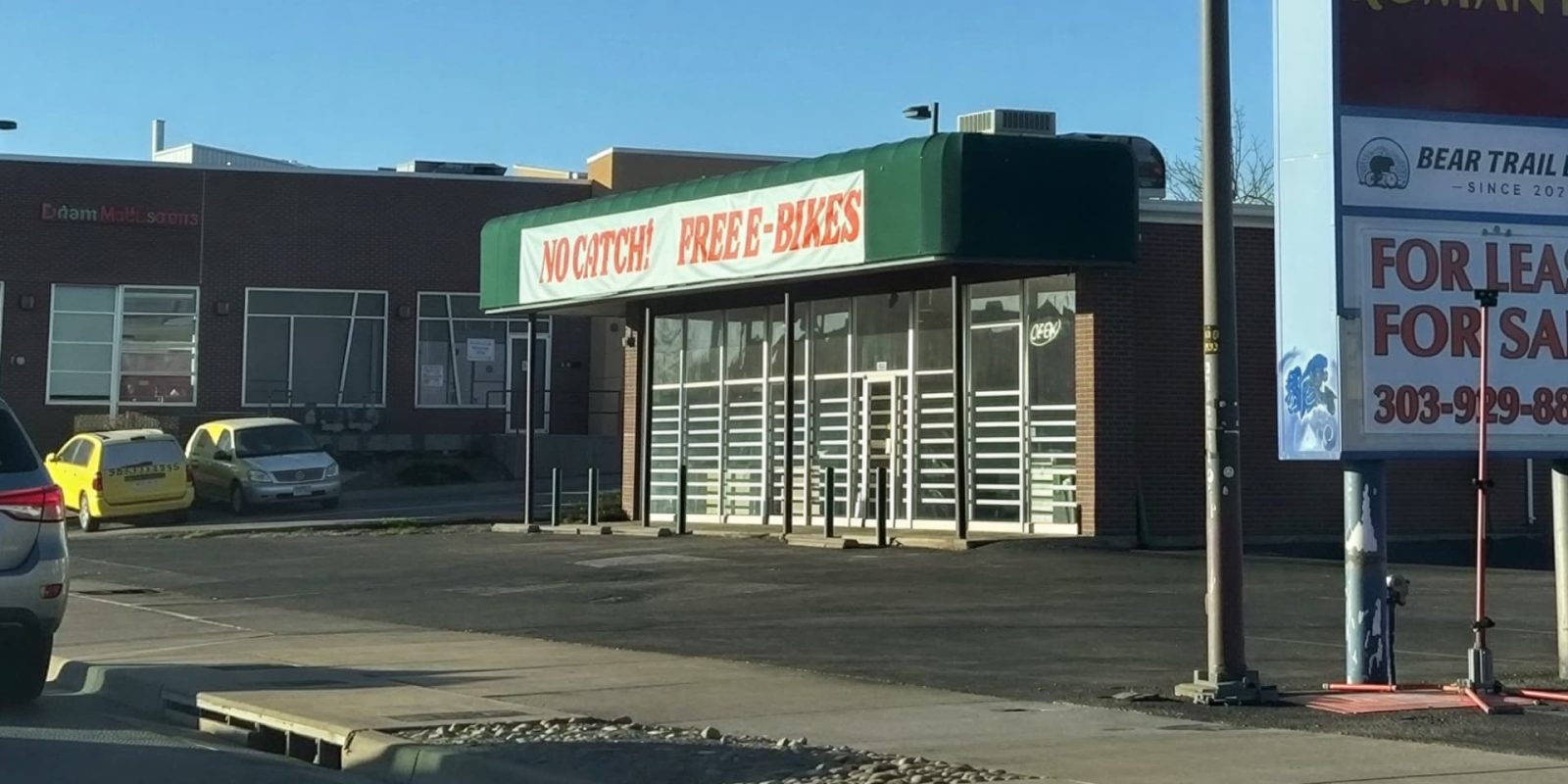
It started as one of the most talked-about e-bike deals in the country. Colorado residents could get what was advertised as a “free” electric bike by applying the state’s e-bike tax credit, with Bear Trail Bikes matching the discount. Customers were generally left paying little more than sales tax.
For many riders, it sounded too good to pass up.
Months later, however, thousands of customers were still waiting for their bikes, complaints had piled up with the Better Business Bureau and on social media, local news investigations were underway, and the controversy eventually escalated into an FBI asset seizure of luxury cars and stacks of cash.
So what actually happened?
Why everyone wanted one
Colorado’s statewide e-bike tax credit has become one of the country’s most successful incentive programs, helping thousands and thousands of residents afford electric bicycles.
Bear Trail Bikes, formerly known as COE Bikes, took the program a step further by offering to match the state’s credit on select models. That meant many buyers could order an entry-level e-bike and only need to pay around $49 in sales tax after signing over their tax credit to the company, making the promotion spread quickly through word of mouth, Reddit, and local media.
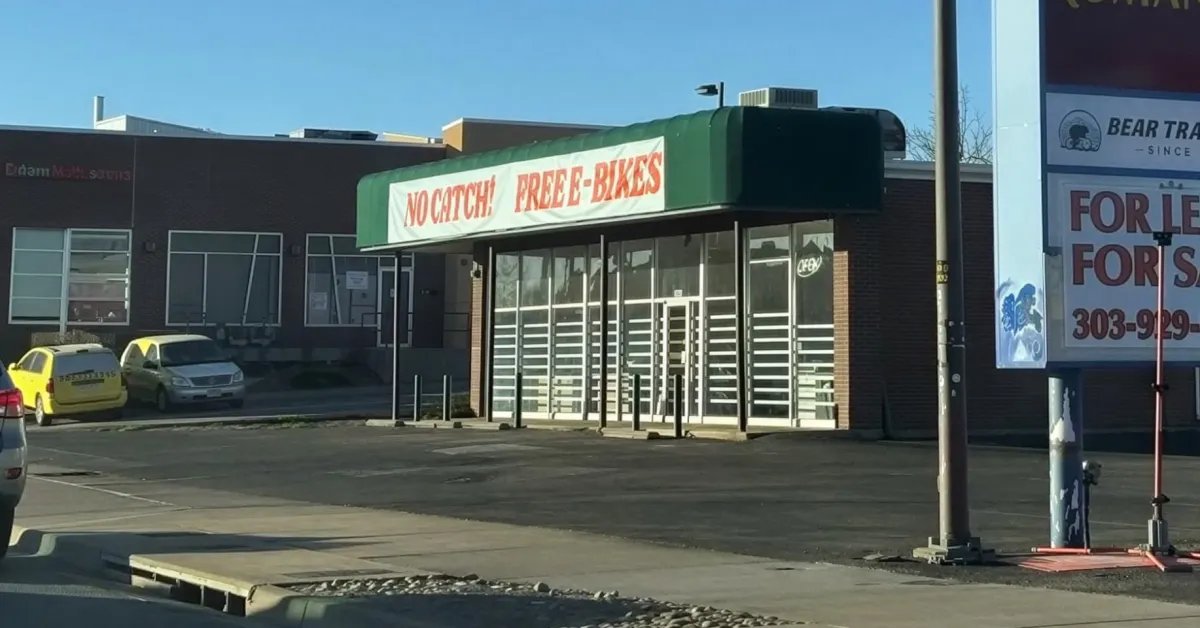
While it wasn’t technically free, Bear Trail Bikes advertised the program as such, including with a giant banner on at least one of its short-term, revolving storefronts reading “No Catch! Free E-Bikes.”
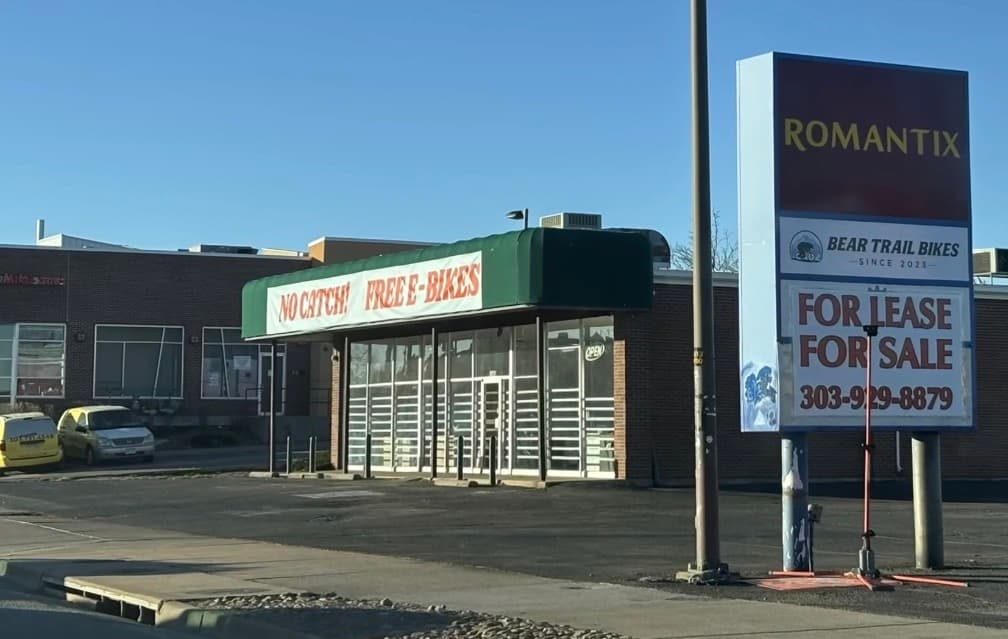
Then the delays started
Initially, many customers chalked up delayed deliveries to supply chain issues.
But as weeks turned into months, frustration grew. Customers reported waiting far beyond promised delivery windows, receiving little communication, and struggling to obtain refunds.
Complaints began stacking up with the BBB, while local television stations started investigating the growing number of customers saying they had paid but never received a bike.
It wasn’t as simple as an internet scam
One aspect that has made the story more complicated is that some customers did eventually receive bikes. There have also been large delivery events where bike boxes were literally pushed out of the back of mattress trucks for waiting customers to claim.
Bear Trail Bikes’ own social media is full of short clips of customers posing with a bike box and repeating similar stories of “I thought it was a scam but it’s legit, here’s my bike.”
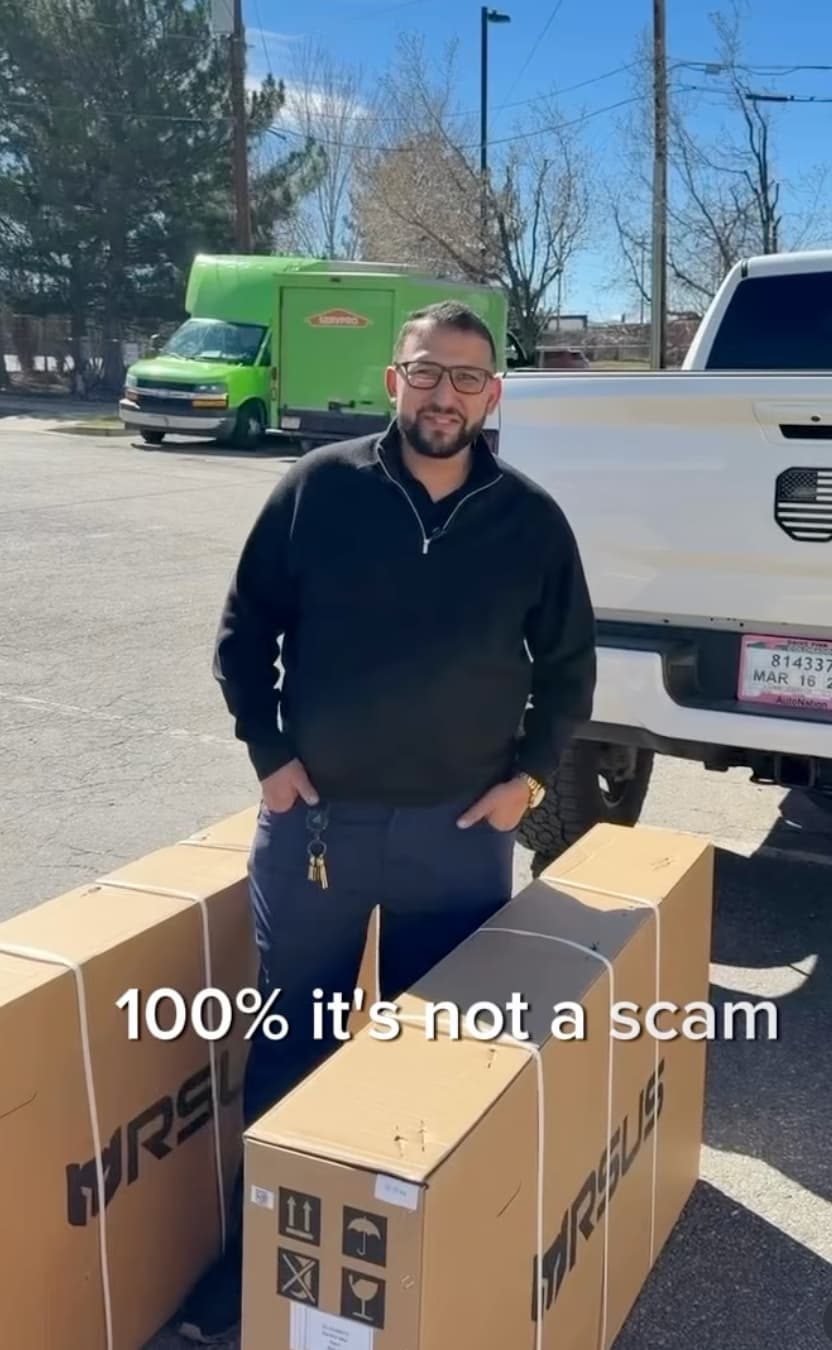
And there are even more believable examples, like customers who report receiving the bikes and then complaining about the low quality or not matching the bike style they originally ordered. Others claim to have received a bike after waiting months or even over a year for it to show up. That makes the situation more nuanced than a straightforward online scam, though it has done little to ease the concerns of the many customers still waiting.
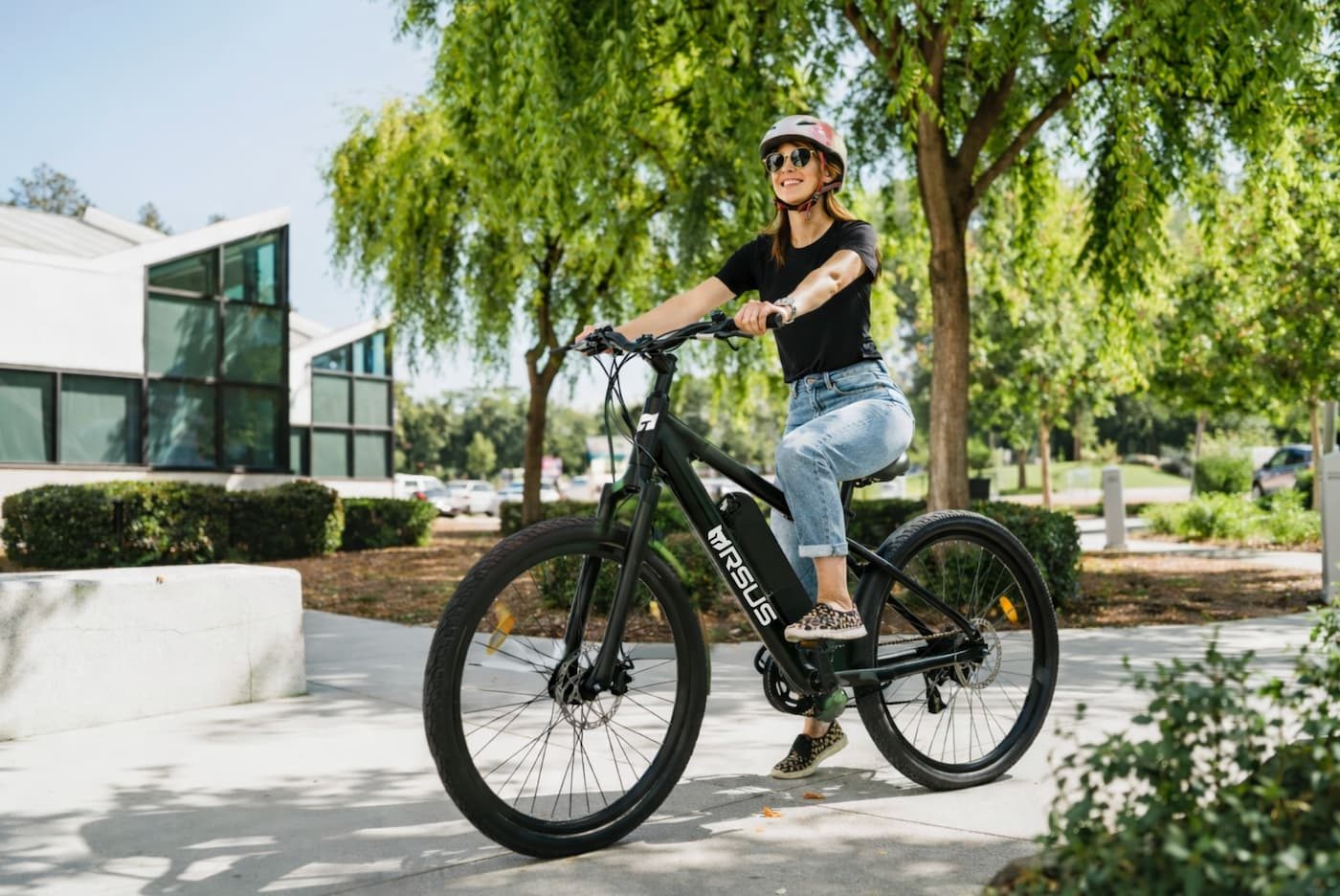
The latest bikes that appear to have been delivered in social media videos are from a brand called Ursus, whose website lists it as a Boulder, Colorado-based company despite local reporters being unable to locate a business under that name registered in the state. Its website advertises low-cost e-bikes, but several of the images show AI-generated bikes with the Ursus logo edited into the image.
Another unanswered question involves Colorado’s tax credit itself. State officials have said retailers are generally reimbursed only after qualifying bikes are delivered. Yet, according to investigative reporting from 9News, some customers later reported discovering that their tax credit had already been claimed despite saying they had never received a bike. Exactly how that occurred remains one of several questions surrounding the controversy.
Safety concerns also emerged after some delivered bikes were reportedly found to lack visible UL certification markings despite Colorado’s rebate program requiring qualifying e-bikes to meet UL battery safety standards. Bear Trail has previously said its bikes were built to UL standards even if they were not UL-certified.
The controversy reaches a new level
The story took another dramatic turn late last month when the FBI seized assets belonging to the owner of Bear Trail Bikes as part of an ongoing investigation. It’s important to note that an asset seizure is part of an investigation and does not, by itself, establish criminal wrongdoing. As of this writing, no criminal charges have been publicly announced, and the owner of Bear Trail Bikes has been publicly calling for charges to be filed so that the court process can move forward.
Perhaps the biggest mystery is how the business model was supposed to work in the first place. Even inexpensive imported e-bikes often cost hundreds of dollars before shipping from China, assembly, and support are factored in, leading many to wonder how giving away bikes for little more than sales tax could ever become profitable, even with potentially up to $500 in tax credits from the state. Without access to the company’s finances, it’s impossible to know exactly where the business model broke down, whether it depended on accessory sales, customer upgrades, economies of scale, or something else entirely.
Whatever investigators ultimately conclude, the Bear Trail Bikes saga has become a cautionary tale for both consumers and the e-bike industry. Colorado’s rebate program has helped thousands of people get onto e-bikes, but this episode also shows how quickly confidence in those programs can be shaken when one retailer fails to deliver on the promise.


FTC: We use income earning auto affiliate links. More.