

Now Reading: New facility in Southeast Portland adds secure mental health treatment beds
- 01
New facility in Southeast Portland adds secure mental health treatment beds

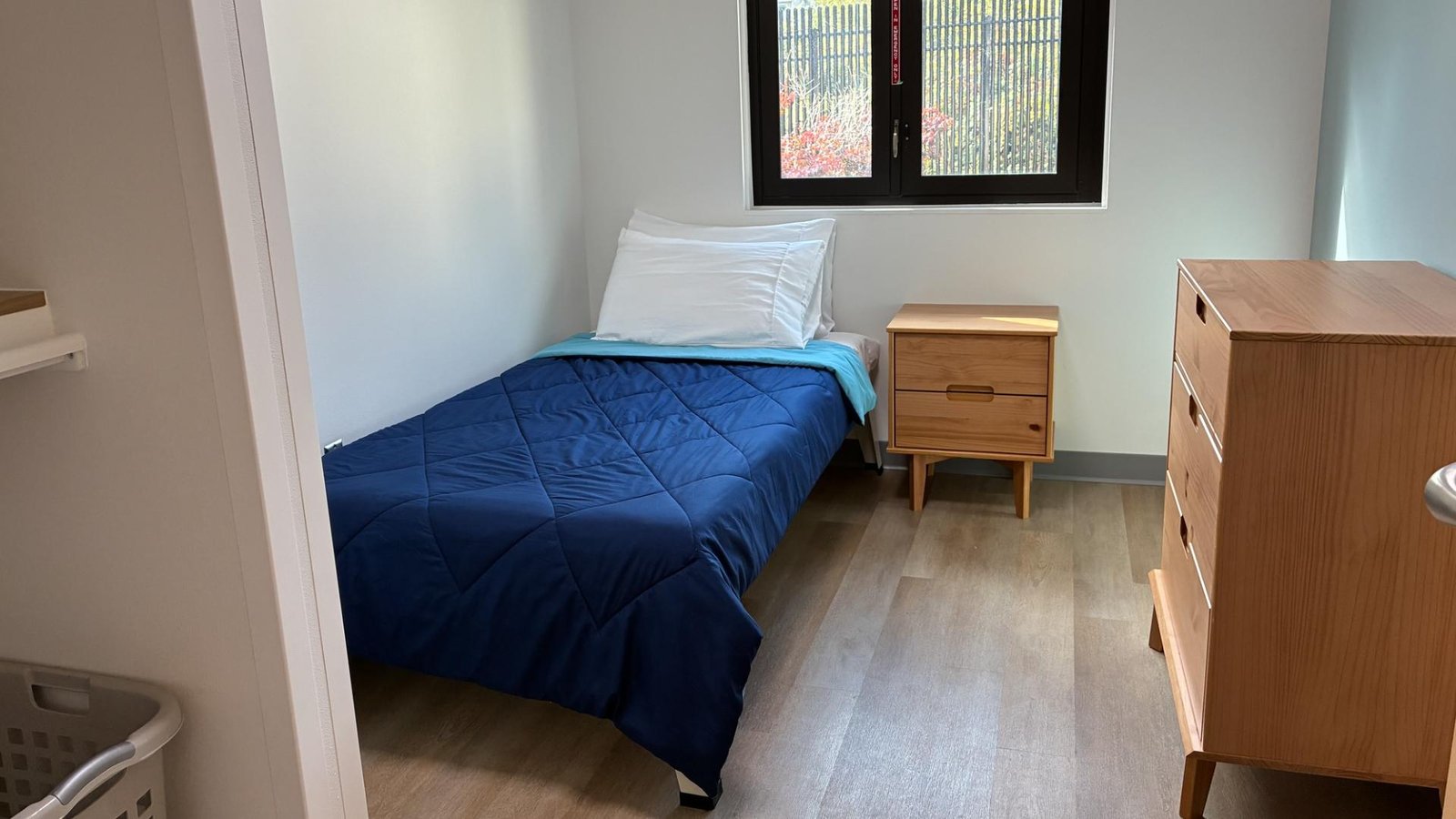
New facility in Southeast Portland adds secure mental health treatment beds
Though supporting just 10 beds, Cascadia Health’s Mountain View facility represents a much-needed expansion to secure residential treatment in Oregon.
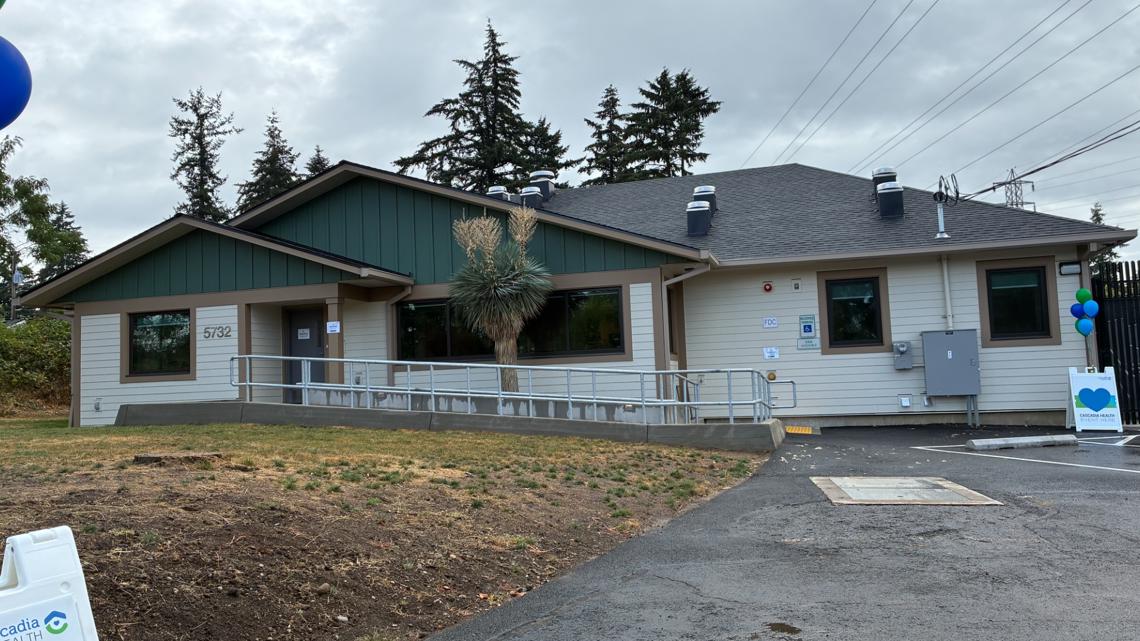
PORTLAND, Ore. — The Oregon Health Authority on Friday celebrated the opening in Southeast Portland of a new facility offering secure mental health treatment for people in need of full-time residential care.
Cascadia Health will operate the 10-bed Mountain View facility, opened in collaboration with Multnomah County and OHA. It promises a “highly structured therapeutic, residential setting for adults with serious mental illness.”

“This building is a commitment to providing people with serious mental illness the right level of care, in the right environment,” First Lady Aimee Kotek Wilson said at the opening Sept. 3. “It takes years of planning, designing, licensing, and preparing to turn an investment in behavioral health capacity into a real therapeutic home — and that’s exactly what the team here has done.”
The facility was supported by $5 million from the OHA allocated by House Bill 5024 in 2021, part of a broader effort to add 172 secure residential treatment facility beds across the state.
Facilities like these are typically needed for high-acuity patients: people with major mental health symptoms, possibly cognitive or functional disabilities, and a history of substance use or other medical conditions, OHA said. At secure facilities, the patients are restricted from leaving without supervision.
Programming at Mountain View is intended to provide stability, treatment and daily support to residents, while helping them build skills for better health and greater independence, OHA added.
“Expanding secure residential treatment capacity is essential to creating a behavioral health system that supports people at every step of recovery,” said Christa Jones, Psy.D., OHA behavioral health deputy director. “Every new Mountain View bed represents an opportunity for a person to grow in a safe environment.”
Referrals to the facility will mostly come from hospitals, including the Oregon State Hospital — OHA’s state-run secure psychiatric facility. The state is working to “increase community capacity” by supporting secure care in communities, with the aim of cutting down on wait times for patients otherwise ready for discharge from the state hospital.
OHA said that the state is adding 1,660 licensed residential treatment beds, representing an increase in capacity of more than 45%. Of those, 1,067 are already open; 593 more are set to open within the next two and a half years. The state was the primary investor of 960 of the beds.
That said, not all residential treatment beds fall into the “secure” category, and those have historically been fewer in number compared to other residential behavioral health beds. The Oregon State Hospital, meanwhile, remains in a long-running crisis of capacity — one costing the state dearly by the day thanks to a federal judge’s contempt order.
READ MORE: Federal judge restricts Oregon State Hospital admissions for some mentally ill defendants
As of June, the state had racked up over $3.7 million in court fines for being slow to admit “aid and assist” patients: criminal defendants in need of stabilizing care. The OSH Salem campus only has capacity for 558 people at a time, while its Junction City campus can house another 145.
At the same time, the state hospital faces a crisis of leadership as it churns through superintendent after superintendent, paired with a wrongful death lawsuit from the family of man who died in their custody last year.
In many cases, Secure Residential Treatment Facilities are the logical next step for patients discharged from OSH who are not criminal defendants, but they’ll soon represent the least common type of licensed treatment bed in the state.
According to the OHA’s dashboard, the state has 561 secure treatment beds available, 136 more in development, and 89 additional projected in the state’s five-year goal, for a potential total of 786 beds by the year 2029.
By comparison, OHA’s goals project 3,774 substance use disorder (SUD) residential beds; 1,151 mental health residential beds; and 888 withdrawal management (detox) beds.