

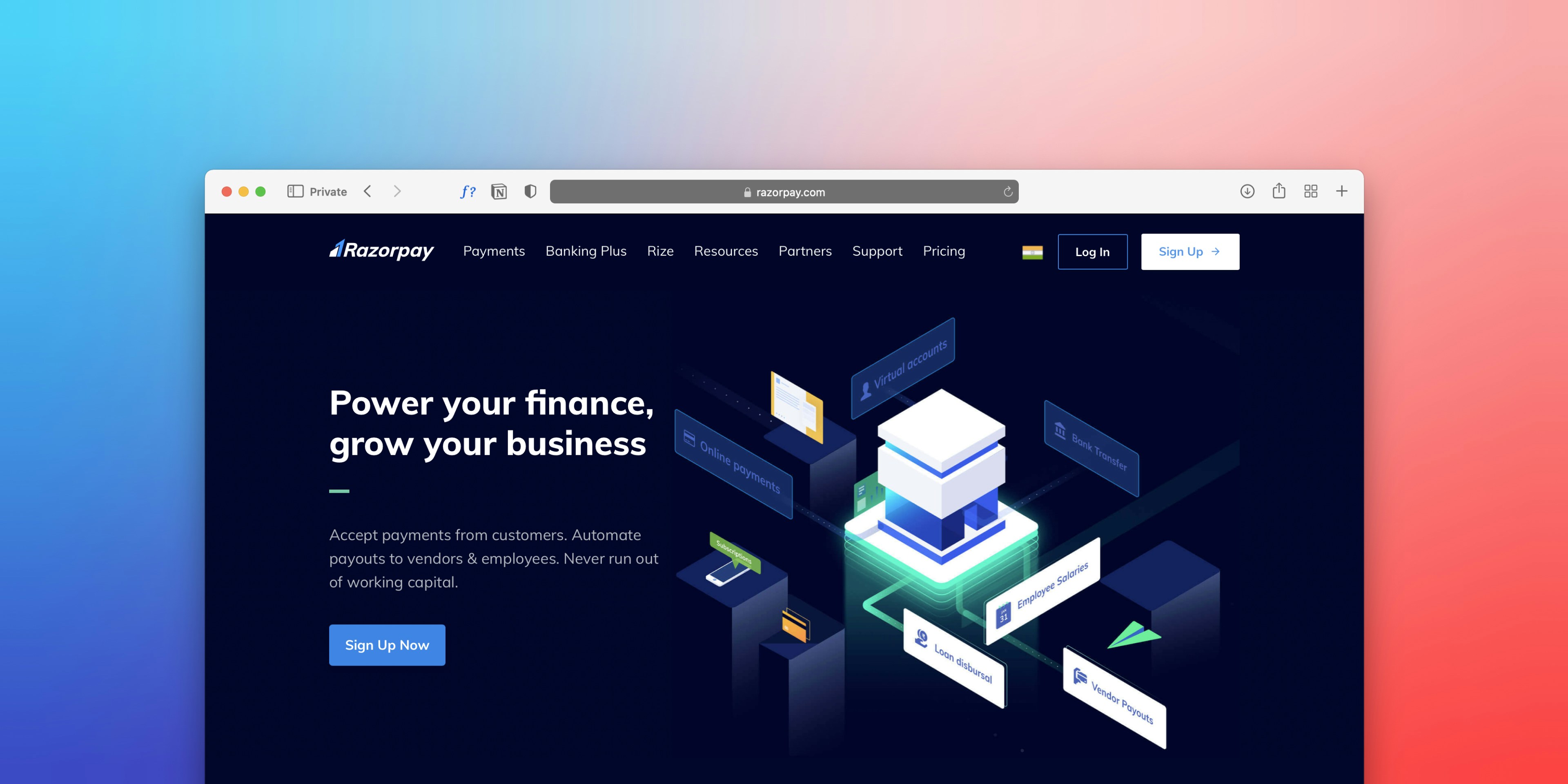
The Evolving Landscape of Online Payments
The online payment landscape has undergone significant transformation over the past few years, reflecting the rapid advancements in technology and evolving consumer preferences. Initially dominated by traditional credit card processing, the sector has seen a marked shift towards a diverse array of payment methods, ultimately reshaping how businesses transact with consumers.
You May Also Like


One notable development has been the rise of mobile wallets, such as Apple Pay and Google Wallet, which have streamlined the payment process for users. These digital solutions allow consumers to store multiple cards and utilize their smartphones to complete transactions, enhancing convenience and security. As mobile technology continues to advance, the adoption of mobile wallets is expected to grow, further influencing the type of payment systems businesses implement.
Another disruptive innovation is the emergence of cryptocurrency as a viable payment method. Platforms like Bitcoin and Ethereum have gained traction within both consumer and business communities. Cryptocurrencies facilitate instantaneous transactions without the need for traditional banking intermediaries, which can lead to lower fees and increased privacy for users. However, the volatility of cryptocurrency values presents challenges for businesses regarding pricing strategies and risk management.
Despite the advantages of these new payment options, businesses face increasing complexities in navigating this fragmented payment environment. With numerous platforms, each with unique requirements and technologies, merchants must weigh the benefits against the potential for increased operational costs. Furthermore, ensuring security against fraud and data breaches has become paramount, necessitating robust solutions and practices.
Ultimately, as the online payment landscape continues to evolve, businesses must remain agile and informed to harness new payment technologies while addressing the accompanying challenges.”
The Role of Greed and Corruption in Online Transactions
The emergence of the internet as a vital platform for commerce has transformed the way transactions are conducted globally. However, alongside the convenience it offers, the online payment ecosystem has become a breeding ground for greed and corruption. High transaction fees imposed by payment processors hinder small to medium-sized enterprises, forcing them to absorb costs that ultimately reduce their profit margins. When major financial institutions prioritize massive profits over fair pricing models, this monopolistic behavior stifles competition and innovation.
Fraudulent activities further complicate this landscape, with cybercriminals exploiting vulnerabilities in online payment systems. These transactions can lead to significant financial losses not only for consumers but also for businesses that suffer from chargebacks and subsequent fees. For example, a small e-commerce retailer targeted by credit card fraud might face losses due to both the fraudulent purchase and the associated revenue loss during the chargeback process. This cycle of fraud and chargebacks emphasizes the need for more stringent security measures, yet many smaller businesses lack the resources to implement these effectively.
Additionally, the opacity in fee structures of major payment processors further encourages greed. Businesses often find themselves caught in a web of hidden charges that can vary widely without clear justification. This lack of transparency undermines trust in online payment systems, prompting companies to question the reliability of the services they are utilizing. As a result, many businesses are compelled to rely on a handful of monopolistic players that dominate the market, perpetuating a cycle of corruption. Without sufficient regulatory oversight, the online transaction landscape may continue to be plagued by these detrimental practices, ultimately affecting consumers and business owners alike.
Alternative Payment Solutions for Business Owners
In the evolving landscape of financial transactions, business owners are increasingly exploring alternative payment solutions as a means to enhance operational efficiency and meet customer preferences. These options include peer-to-peer (P2P) payment platforms, cryptocurrency transactions, and decentralized finance (DeFi) services. Each of these alternatives offers distinct advantages and challenges compared to traditional banking methods.
Peer-to-peer payment platforms, such as Venmo, Cash App, and Zelle, allow individuals and businesses to send and receive money directly without the need for traditional banking intermediaries. These platforms are user-friendly and often provide instantaneous transfers, making them attractive for small businesses and freelancers who require quick payment solutions. However, business owners should consider transaction fees and potential limits on transfer amounts that may vary based on the service provider.
Cryptocurrency transactions represent another innovative payment solution that has gained traction among businesses. Digital currencies, such as Bitcoin and Ethereum, offer the potential for lower transaction fees and can facilitate borderless transactions without the limitations of currency exchange. Additionally, cryptocurrencies can appeal to tech-savvy consumers who prefer decentralized transactions. Nonetheless, the volatility of cryptocurrency prices and regulatory uncertainties pose challenges for businesses contemplating their adoption.
Decentralized finance solutions leverage blockchain technology to provide financial services without traditional intermediaries. Businesses can access lending, borrowing, and investment opportunities through decentralized protocols. These services can offer higher yields and better access to capital compared to conventional banking. However, navigating the complex DeFi landscape requires thorough understanding and risk management, as the potential for fraud and market fluctuations can be significant.
In summary, the exploration of alternative payment solutions enables business owners to adapt to consumer preferences and technological advancements. Each option—be it P2P platforms, cryptocurrency, or DeFi—offers unique benefits and potential drawbacks, warranting careful consideration and strategic implementation in alignment with business goals.
Navigating the Future: Strategies for Success
As the digital landscape evolves, business owners must develop and implement effective strategies to ensure their operations remain resilient against the challenges posed by opportunistic individuals. One crucial approach is diversifying payment options, allowing customers to choose from various payment methods that are secure and convenient. By incorporating multiple payment solutions, including traditional methods such as credit cards, along with modern options like digital wallets and cryptocurrencies, businesses can enhance customer satisfaction and reduce dependence on a single payment provider.
Implementing robust security measures should be a top priority for businesses. Utilizing encryption technologies and secure payment gateways not only protects sensitive customer information but also fosters trust. Regularly updating security protocols and staying informed about the latest threats in online transactions can significantly mitigate risks associated with data breaches and fraud. Furthermore, conducting vulnerability assessments and penetration testing will help identify potential weaknesses in your system, enabling proactive measures to protect your business from being compromised.
Staying informed about market trends is equally important for business owners. The online payment landscape is constantly changing, influenced by technological advancements and consumer preferences. Engaging with industry news, participating in relevant webinars, and joining professional networks can provide valuable insights into emerging trends and best practices. This knowledge enables businesses to anticipate market shifts, adapt their strategies accordingly, and remain competitive.
In conclusion, as the internet continues to be a battleground for integrity and trust, proactive strategies are essential for business owners. By diversifying payment methods, implementing robust security measures, and keeping abreast of market developments, businesses can navigate the complexities of today’s digital economy effectively. In doing so, they secure their future against the greedy rogues that threaten the online marketplace.
