

Now Reading: The Troubling Legacy of Gavin Newsom: A Critical Review
- 01
The Troubling Legacy of Gavin Newsom: A Critical Review

The Troubling Legacy of Gavin Newsom: A Critical Review
Understanding Gavin Newsom’s Political Background
Gavin Newsom’s political career presents a remarkable narrative within California’s political landscape, marked by both ascension and controversy. He began his journey in public service as a member of the San Francisco Board of Supervisors in 2004, where he gained notable attention for his progressive stances, particularly on social issues. In 2005, he was elevated to the position of Mayor of San Francisco, serving until 2011. During his mayoral tenure, Newsom implemented a range of progressive policies, notably legalizing same-sex marriage, which played a crucial role in shifting public perception on LGBTQ+ rights.
Following his time as mayor, Newsom held the office of Lieutenant Governor of California from 2011 to 2019. This position allowed him to further shape state policies, particularly in areas such as education and renewable energy. In 2018, he was elected Governor of California, marking the apex of his political journey. As governor, Newsom emphasized policies on health care, housing, and environmental issues. His administration has drawn both praise and criticism, leading to a polarized public perception that reflects the diverse political landscape of California.
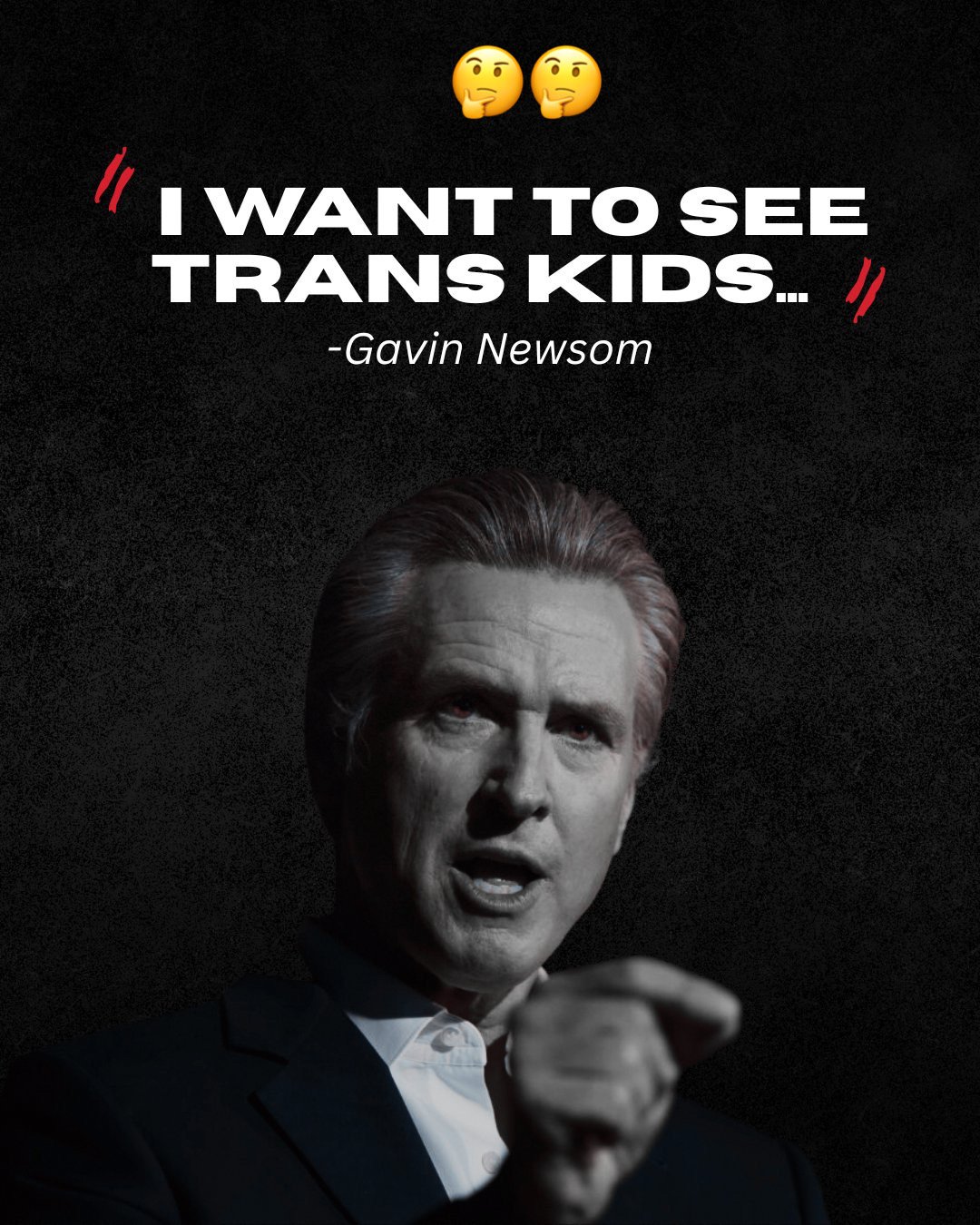
The rising criticism became particularly pronounced following his controversial remarks concerning trans children, which ignited debates across various sectors of society. These comments have shaped the current narrative surrounding Newsom’s governance, sparking discussions about his commitment to various demographics within the state. As Newsom navigates these challenges, understanding the trajectory of his political background is essential in evaluating his present standing and the implications of his policies on the populace.
The Controversial Comments: Analyzing the Fallout
Gavin Newsom, the Governor of California, has sparked significant debate following his remarks concerning transgender children. His statements have raised questions not only about his stance on gender identity but also about the broader implications for child welfare and societal attitudes toward trans youth. These comments, perceived by some as supportive and by others as dismissive of the complexities surrounding gender dysphoria in children, have ignited discussions within political and public spheres alike.
In the wake of his remarks, Newsom encountered a divided reaction. Supporters applauded his willingness to engage in the often contentious conversation regarding gender identity in youth, interpreting his comments as an affirmation of transgender rights. Conversely, critics accused him of failing to adequately address the nuanced realities and challenges faced by trans children and their families. This dichotomy illustrates a troubling aspect of contemporary discourse around gender issues, wherein political figures are often thrust into polarized debates, regardless of their intentions.
Moreover, Newsom’s comments reflect a broader societal trend that grapples with the evolving understanding of gender identity among children and adolescents. As discussions surrounding trans rights gain prominence, they intersect with ongoing concerns about child welfare, parental rights, and the responsibilities of healthcare providers. Stakeholders in this discourse range from advocates seeking to protect and affirm the rights of trans children, to activists cautioning against potential harm stemming from premature medical interventions.
As the political landscape continues to shift, it remains vital to critically evaluate the implications of public statements made by leaders like Gavin Newsom. While some see an opportunity for advancement of LGBTQ+ rights, others view the comments as a reflection of societal challenges in reconciling personal beliefs with the lived experiences of marginalized communities. How this debate evolves will significantly shape the future of gender discussions within public policy and societal norms.
California’s Struggles with Pedophilia: The Unreported Crisis
The state of California is currently facing a troubling crisis regarding pedophilia, which manifests through alarming statistics that often escape the public eye. Reports reveal that numerous cases of child exploitation and abuse go unreported, leaving vulnerable children without the necessary protections. Research indicates that a significant percentage of child molestation incidents remain undisclosed due to a variety of factors, including fear of not being believed, social stigma, and the potential for familial repercussions. It is estimated that approximately 90% of child sexual abuse cases are never reported, highlighting a catastrophic disconnect that threatens the safety and well-being of children.
This underreporting crisis raises important questions about the effectiveness of current policies and leadership, particularly in light of Governor Gavin Newsom’s administration. His comments regarding child protection often paint a picture of progress, yet there remains a troubling juxtaposition between such rhetoric and the persistent reality of abuse. The implications of this gap are severe, as prolonged silence surrounding pedophilia can create an environment that is permissive of such heinous acts, effectively undermining efforts to safeguard children.
Furthermore, Governor Newsom’s attention to the issue, while well-intentioned, may inadvertently contribute to a culture that downplays the severity of the pedophilia crisis in California. His administration has faced criticism for focusing on broader social issues while neglecting to directly address the alarming isolation of child protection concerns. To effectively combat this disturbing trend, clarity and action must take precedence over rhetoric. Having comprehensive educational and intervention programs will be paramount in ensuring that the most vulnerable, our children, feel safe and supported. Without decisive action, California risks continuing down a path that fails to protect those who need it the most.
The Future of Gavin Newsom’s Political Career: A Predictive Analysis
In examining the future trajectory of Gavin Newsom’s political career, a multifaceted approach becomes imperative. His recent comments and the ensuing controversies have shaped public perception in distinct ways. Polls indicate a fluctuating approval rating, reflecting a divided electorate. Newsom’s political maneuvering has often been characterized by strategic adaptability, yet the lingering weight of past remarks has begun to cast a shadow on his future ambitions.
Media portrayals have further complicated the narrative surrounding Newsom. Coverage oscillates between highlighting his ambitious reforms and scrutinizing his responses to various crises. In a political landscape where media coverage can influence public sentiment dramatically, the current portrayal of Newsom could potentially sway voter opinion, either toward recovery or decline. This dualism presents a challenge: can he succeed in reestablishing himself as a trustworthy leader amidst these challenges?
The implications of his current position cannot be underestimated. As scandals emerge, the notion of public accountability comes to the forefront. Voters increasingly expect transparency and forthrightness from their elected officials, putting pressure on Newsom to navigate these controversies adeptly. His ability to pivot away from blame and refocus on his policy agenda may determine whether he can rejuvenate his political standing.
Looking ahead, it is plausible that the culmination of public sentiment, media portrayal, and the political climate at large will shape Newsom’s political fate. The evidence suggests that while recovery is possible, it is fraught with challenges. If he effectively responds to the current controversies, he may very well reinstate his political aspirations. However, failure to connect with the electorate and manage his public image could signal a serious downturn, leading to the beginning of the end for his political career.