

The Shift from Tradition to Profit
The National Football League (NFL), once revered for its commitment to the spirit of the game and its loyal fan base, is now frequently described as a profit-driven enterprise. This transformation is largely attributed to the increasing infiltration of gambling money in the league, fundamentally shifting its priorities. Historically, the NFL was characterized by a deep-rooted passion for football, where traditions and fan engagement took precedence over financial considerations. As the league grew, however, so did the financial opportunities surrounding it.
You May Also Like
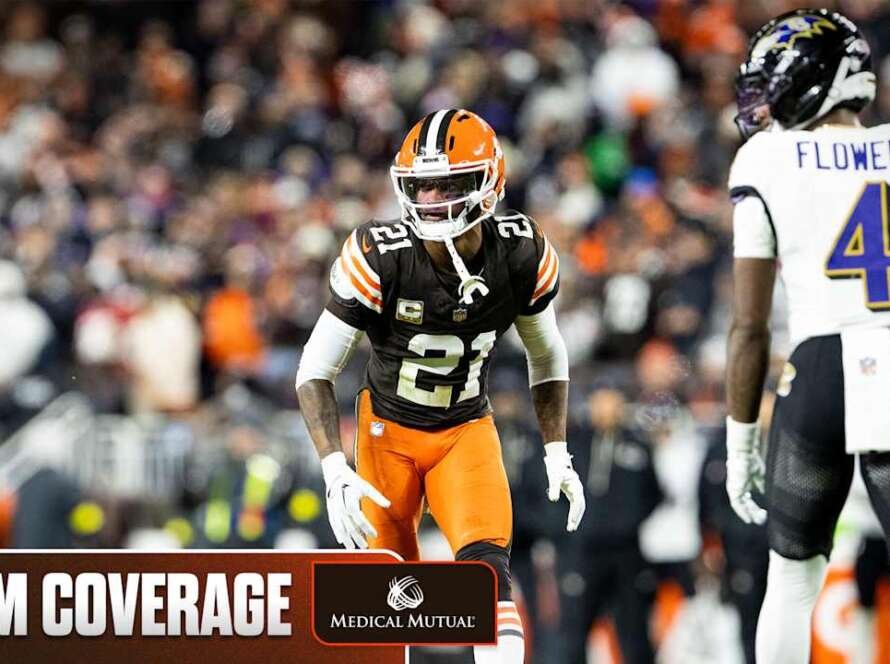

The explosive rise of sports betting in recent years, particularly following the repeal of federal prohibitions in numerous states, has significantly altered the landscape of the NFL. With millions of dollars now flowing into the sport from gambling-related activities, the league’s leadership appears to have embraced this influx as a primary revenue source. This decision-making process has raised concerns among fans and analysts alike about the integrity of the game, as it appears that financial motivations increasingly overshadow the principles of fair play and outreach to communities.
Moreover, the focus on profitability has manifested in various operational changes within the NFL. Decisions regarding game scheduling, team movement, and playoff formats seem to cater more towards maximizing viewership, often prioritizing lucrative broadcasting deals over the interests of the players and supporters. As a result, the league’s identity has become increasingly intertwined with its commercial aspirations, leading to a perception that it is drifting away from its foundational values.
This paradigm shift raises questions about where the future of the NFL lies. Will the league be able to strike a balance between financial gain and the preservation of the rich traditions that have endeared it to fans for decades? The potential ramifications of this ongoing transformation warrant a closer examination of how professional sports, and the NFL specifically, navigate the competing demands of tradition and profitability.

The Impact of Gambling on the NFL’s Identity
The recent legalization of sports gambling across multiple states has significantly transformed the landscape of the National Football League (NFL). Traditionally, the NFL maintained a firm stance against gambling, associating it with risks to the integrity of the game. However, the shifting societal norms surrounding gambling, coupled with a desire for increased revenue streams, prompted a reevaluation of this position.
Partnerships with major gambling companies have become a crucial element in the NFL’s business strategy. Teams are now forming alliances with sportsbook operators to enhance fan engagement and generate substantial revenue via advertising. Such partnerships allow the league to tap into a previously underutilized segment of their audience: bettors. This strategic pivot has not only resulted in increased visibility for betting platforms but also has changed the way fans consume games. Live betting options paired with real-time data have enabled fans to bet on various in-game elements, enhancing the excitement and urgency of the viewing experience.
Moreover, this shift towards acceptance of gambling has significantly impacted the overall enjoyment of the game. For many fans, placing bets adds an additional layer of excitement, fostering a deeper connection to the sport. This engagement shift encourages fans to follow not only their favorite teams but also player performances and game outcomes from various angles, leading to a more immersive experience. However, it is crucial to consider how this focus on gambling could influence the perception of the NFL’s integrity in the long run.
In conclusion, the integration of gambling into the NFL’s framework reflects broader societal trends while also raising questions about the league’s identity and the authenticity of its competitive spirit. As this blend of sports and gambling continues to evolve, it is important to assess its long-term implications on the league’s culture and the enjoyment of football itself.
The Consequences of Financial Misalignment
The ongoing trend in the National Football League (NFL) reveals a significant financial misalignment within the league, where financial incentives have begun to overshadow the core values of competitiveness and team cohesion. This shift is particularly evident in the excessive player contracts that are often awarded based on individual performance metrics, rather than contributions towards overall team success or championship victories. While attracting high-profile talent can enhance a team’s brand, it often leads to disparities and tensions within the team.
As organizations allocate substantial resources to superstar players, smaller-market teams are increasingly unable to compete on equal footing. For instance, teams that attempt to maintain salary cap discipline may find themselves at a disadvantage when facing franchises willing to spend lavishly on marquee players. This financial disparity can lead to a less competitive league, where only a handful of teams dominate, diminishing the overall quality of gameplay.
Moreover, the focus on individual accolades can erode team dynamics. Players driven by personal milestones may prioritize statistics over teamwork, leading to a fragmented locker room environment. In such scenarios, team cohesion takes a backseat, and the essence of collaborative effort crucial for success on the field is compromised.
From a fan’s perspective, these financial misalignments can lead to disillusionment. Spectators tend to favor competitive balance, and as the quality of matchups declines due to predictable outcomes, their enthusiasm wanes. The spectacle that the NFL has cultivated over decades is at risk of deterioration, as the emphasis on revenue generation stifles the competitive spirit that attracts fans to the sport.
The Future of the NFL: Could It Become a Fading Giant?
The National Football League (NFL) has long held a prominent position as America’s favorite sport, drawing millions of viewers each week during the regular season and culminating in the highly anticipated Super Bowl. However, recent trends within professional sports, including the NFL, raise concerns about its long-term sustainability and popularity. As profitability emerges as a primary focus, some speculate that the league may face challenges reminiscent of those encountered by other entertainment sectors, such as professional wrestling.
Historically, the NFL’s tremendous popularity allowed it to thrive, but observable shifts in viewer engagement and loyalty cannot be overlooked. Declining television ratings illustrate a potential disenchantment among fans who may feel increasingly alienated by the commercialization of the sport. The juxtaposition of highly lucrative broadcasting deals and the on-field product brings into question whether financial gain is overshadowing the authentic spirit of the game. Such a focus on profits and the polarization of fan experiences may not be sustainable over time.
Many fans express disillusionment with a perceived prioritization of profits over the essence of football, leading to concerns that the NFL could experience a fate similar to that of other once-popular entertainment industries. The World Wrestling Entertainment (WWE), for instance, has seen fluctuations in fan engagement as it navigated the increasingly scripted nature of its matches over the years. Similarly, should the NFL continue to emphasize profitability over competitive integrity, it may risk diminishing its once-loyal viewer base.
As the landscape of sports and entertainment continues to evolve, the NFL must consider the balance between financial success and maintaining the authenticity that drew fans to the sport initially. The future of the NFL hinges on its ability to adapt and redefine its priorities, ensuring the game remains a genuine spectacle that resonates with both new and existing audiences.
