

Now Reading: What Minnesota Community Care’s closure of 2 clinics means for St. Paul
- 01
What Minnesota Community Care’s closure of 2 clinics means for St. Paul

What Minnesota Community Care’s closure of 2 clinics means for St. Paul
For nine years, Cristina Flores helped patients navigate a healthcare system that was often difficult to access, especially for people without stable housing, transportation or insurance.
At Minnesota Community Care’s La Clinica on St. Paul’s West Side, Flores worked as a medical case manager until she left the organization in 2025.
During her time at the clinic, as more people experienced homelessness near downtown St. Paul and tested positive for HIV, Flores and her fellow case managers recognized their approach needed to change.
Instead of waiting for patients to come to La Clinica, they brought care directly to them.
MPR News helps you turn down the noise and build shared understanding. Turn up your support for this public resource and keep trusted journalism accessible to all.
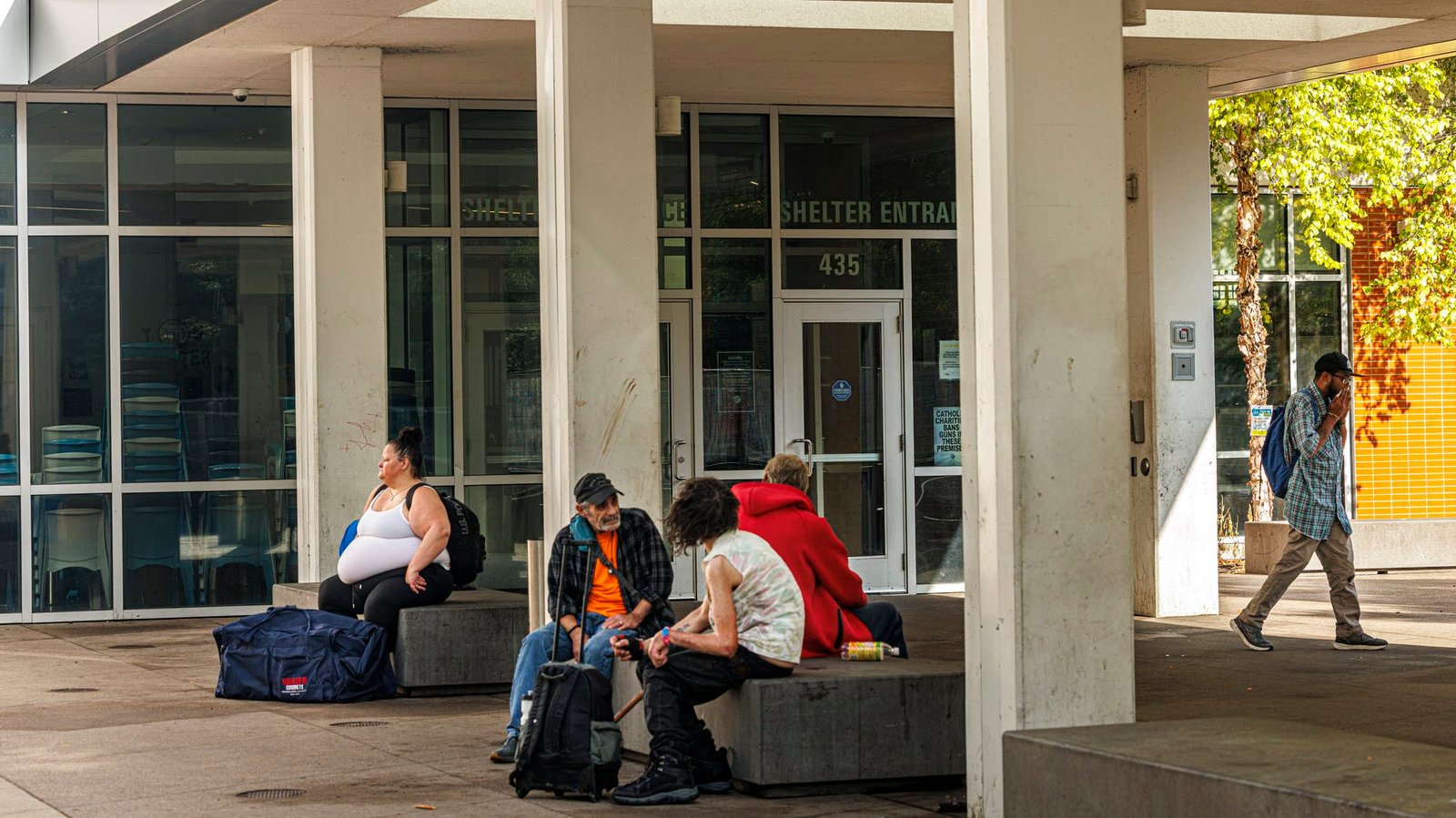
Each week, Flores traveled two miles from La Clinica to MCC’s Downtown Clinic, located within Catholic Charities’ Dorothy Day Residence and the St. Paul Opportunity Center. There, she coordinated care for patients who often had few other ways to access it.
Flores helped patients get tested for sexually transmitted infections and HIV, resolve insurance issues, obtain medications and contraceptives, and stay connected to ongoing care.
Now, the Downtown Clinic is gone.
MCC, the state’s largest federally qualified health center, which provides affordable healthcare to everyone regardless of health insurance status or ability to pay, closed two of its community health center sites in early July: the Downtown Clinic and the St. Paul Wellness Hub.
The closures come as MCC faces mounting financial pressure and prepares for expected cuts to Medicaid, the joint state and federal health insurance program for low-income individuals and people with disabilities.
For patients already facing barriers to healthcare, the changes have created another obstacle in accessing services.
Both the clinic and Hub offered a comprehensive range of medical services, including routine exams, urgent care, immunizations, preventive screenings, lab draws, X-rays, simple medical procedures, and chronic disease management. The Hub also had a pharmacy, allowing patients to pick up medications without traveling to MCC’s La Clinica or Eastside Clinic.
“It’s just a huge loss to the community,” Flores said. “It was something that was very beneficial to the homeless community.”

Construction fencing surrounds the entrance to the Minnesota Community Care Downtown Clinic at 422 Dorothy Day Place on Friday in St. Paul. Minnesota Community Care closed two of its community health center sites in early July, including its Downtown Clinic and St. Paul Wellness Hub.
Kerem Yücel | MPR News
A safety net under strain
Federally qualified health centers, know as community health centers, offer primary care and a variety of services to individuals who have limited access to healthcare, including uninsured and underinsured patients, immigrants, migrant workers, and those living in public housing or experiencing homelessness.
Services are either free or based on a sliding fee scale. Community health centers receive federal funding from the Health Resources and Services Administration, as well as reimbursements from programs like Medicare and Medicaid, which is referred to as Medical Assistance in Minnesota.
Renee Leinbach, interim president and executive officer at MCC, said the organization is under increasing financial pressure as patient revenue becomes less reliable and expenses continue to rise.
MCC consolidated its downtown services to its La Clinica location, a move expected to reduce overhead by eliminating rent for the two closed sites.
“It’s exceedingly challenging from a financial standpoint to be in safety net healthcare,” Leinbach said. “There’s never much of a margin in it, and that’s on a good day. And it’s not actually a really good day for us financially.”
MCC, she said, has had to make tough choices to remain financially viable.
“We’ve got to make some very serious and difficult decisions just to make sure we’re still here,” Leinbach said. “And some of that includes really challenging decisions, like closing clinics.”
About 14 percent of MCC’s total revenue originates from a federal subsidy, while Ramsey County contributes less than 1 percent and the state contributes less than 2 percent. The majority of the organization’s revenue comes from patient care, according to Leinbach.
At the same time, MCC has to maintain enough staff to serve its patients. Personnel account for roughly 75 percent of the organization’s expenses.
“It’s a very careful balance in making sure that you have everybody that you need to care for your patients to the best of your ability without sort of breaking that financial bank,” Leinbach said.

A sign marks Minnesota Community Care’s La Clinica location on Friday in St. Paul. La Clinica is one of the organization’s remaining community health center locations following the closure of its Downtown Clinic and St. Paul Wellness Hub in early July.
Kerem Yücel | MPR News
MCC served about 30,000 unique patients across all its health centers in 2025, totaling more than 80,000 visits. About one-third of those patients were uninsured, Leinbach said, while others had insurance but faced high deductibles.
And the financial strain extends beyond MCC to all 19 Minnesota community health centers.
Leinbach noted that community health centers throughout the state experienced double-digit negative margins in both 2023 and 2024.
MCC is also preparing for Medicaid cuts expected to begin in October and accelerate in January. Leinbach estimates that about 6,000 MCC patients could lose insurance as a result of H.R. 1, President Trump’s sweeping tax and spending bill that was signed into law last July. Minnesota health officials project that in total 140,000 Minnesotans could become uninsured and potentially turn to community health centers for care.
“It’s a pretty bleak future, actually, for community health centers that really depend on Medicaid as their primary revenue source, which we do,” Leinbach said.
Moving care farther away
The financial pressures come as MCC is trying to keep patients connected to care.
Patient visits at La Clinica have decreased, which Leinbach said was partly related to immigration enforcement activity. Encampment closings in St. Paul have also displaced some patients, making outreach more difficult, even as MCC has continued to send mobile health teams to people living outside or in shelters.
MCC has served the community for more than six decades. About 85 percent of the patient population consists of people of color, and 98 percent have incomes below 200 percent of the federal poverty guidelines.
For many, getting to a clinic is not simply a matter of scheduling an appointment. Transportation remains one of MCC’s biggest challenges following the downtown closures.

People line up outside the St. Paul Opportunity Center at 422 Dorothy Day Place on Friday in St. Paul. The site is across from Minnesota Community Care’s Downtown Clinic, one of two community health center locations the organization closed in early July.
Kerem Yücel | MPR News
Rising medical costs are also causing some patients to delay care, said Jennifer Vickers, a nurse practitioner and director of healthcare for the homeless and substance use disorder clinic at La Clinica.
“They just don’t have the funds to allocate towards that, so they come to us sicker,” Vickers said. “And when that happens, they’re already past that preliminary baseline and then those healthcare costs just start snowballing.”
Vickers said the closures have made the situation worse. The clinic received about 500 MyChart messages from patients asking where MCC staff would be after the move.
Maintaining that connection matters, she said, especially for patients who have experienced medical trauma or developed distrust of the healthcare system.
“For a lot of our patients, this is the stablest place they have,” Vickers said. “They know us. They know our faces. They know our staff.”
A broader warning
The challenges facing MCC reflect the broader pressures community health centers are experiencing throughout the country.
Johnathan Watson, CEO of the Minnesota Association of Community Health Centers, said these centers play a crucial role by combining medical, behavioral health and dental services in one location, making healthcare more accessible to underserved communities.
He noted that if clinics close or reduce services, it will potentially lead to more avoidable emergency room visits and expensive inpatient care.
Watson said multiple factors have contributed to declining community health center revenue. People are visiting healthcare providers less frequently than they used to, Medicaid work requirements are going into effect, Congress did not extend tax credits that had helped people afford private insurance, and immigrant communities in the Twin Cities are experiencing a significant “chilling effect” around accessing healthcare.
“It is that classic case of supply and demand,” he said.
For Flores, the consequences of losing the downtown clinic are personal.
She recently ran into a former patient at El Burrito Mercado. He told her how difficult it had been to find a clinic, a pharmacy and someone who could understand him without relying on an interpreter.
It was a reminder of what Flores said is lost when care becomes harder to reach.
“If you know the history of La Clinica and how it was built, then you know it wasn’t ever about money” she said. “It was for patients who didn’t have insurance, who didn’t have access.”