
You May Also Like
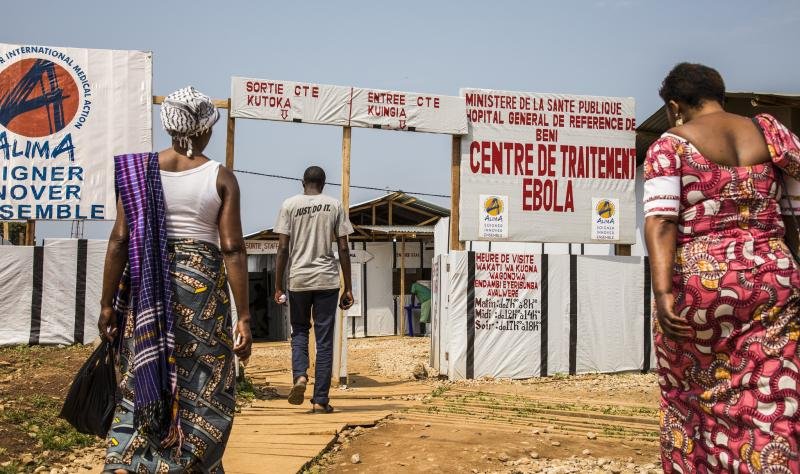
The Ebola outbreak in the Democratic Republic of the Congo (DRC) has grown to nearly 750 suspected cases and 177 deaths, prompting the World Health Organization (WHO) to upgrade the risk level in that nation from “high” to “very high.”
The global risk, however, remains low, WHO Director-General Tedros Adhanom Ghebreyesus, PhD, said at a media briefing today.
In total, 82 Ebola cases and seven deaths have been confirmed in the DRC, but Tedros warned that the outbreak is likely much larger, and authorities have acknowledged that the outbreak likely began weeks to months before it was first investigated.
Uganda has reported two cases and one death in people who traveled from the DRC but no ongoing spread, warranting a WHO risk assessment of “high.”
In the United States, at a Centers for Disease Control and Prevention (CDC) briefing today, Satish Pillai, MD, MPH, incident manager for the agency’s Ebola response, said that the CDC has dispatched 20 epidemiologists to the DRC and is training 50 community healthcare workers there. In Uganda, 23 epidemiologists are supporting response activities, and the CDC will deploy another seven subject-matter experts for both countries.
Distrust of authorities complicates response efforts
The Ebola strain involved in the outbreak is Bundibugyo, for which no vaccines or treatments are available. The WHO is working with leaders from other agencies to review the vaccines, treatments, and diagnostic tests in the pipeline, Tedros said.
It also convened its R&D (research and development) Blueprint technical advisory group on therapeutics, recommending that two monoclonal antibodies be prioritized for clinical trials. But any vaccine rollout would likely take at least six to nine months, experts say.
The WHO advisory group also recommended assessing the antiviral drug obeldesivir in a clinical trial with the Africa Centres for Disease Control and Prevention (Africa CDC) and the Collaborative Open Research Consortium on Filoviruses as post-exposure prophylaxis for high-risk contacts of Ebola patients.
Several factors are facilitating disease spread and complicating the response effort, Tedros said. The DRC’s Ituri and North Kivu provinces, the outbreak epicenters, have been compromised by international aid cuts and armed conflict that has led to significant displacement.
Another challenge is distrust of outside authorities and the spread of misinformation, which led youths to torch a hospital in Ituri province yesterday after authorities refused to release to the body of a local football player who died of suspected Ebola.
To combat misinformation, volunteers from the International Federation of Red Cross and Red Crescent Societies are going door to door advising people in Mongbwalu on how to protect themselves and when to seek care.
WHO issues temporary recommendations
With other agencies, the WHO is supporting the response led by the governments of the DRC and Uganda. “In addition to our national staff in DRC, so far we have deployed 22 international staff to the field, including some of our most experienced people; and we have released US$ 3.9 million from the Contingency Fund for Emergencies,” Tedros said, adding that the United Nations has also allocated $60 million to the response.
