
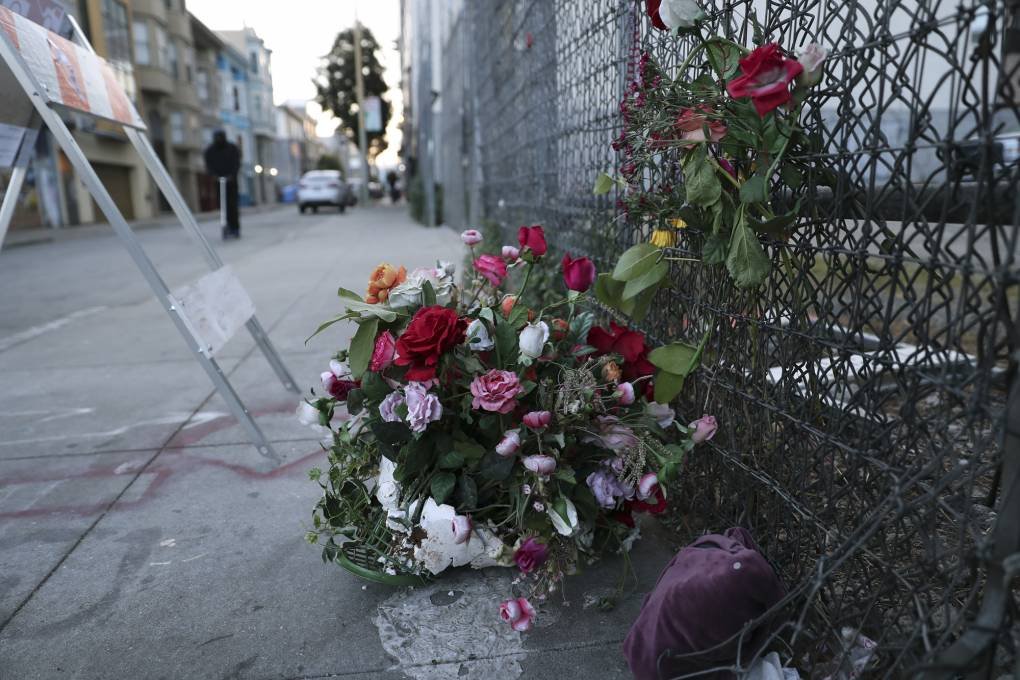
“We had probably the worst drug problem almost any city had seen in 2023,” Stanford psychiatry professor and drug policy expert Keith Humphreys said. “Since that time, we’re down about a third, which was certainly excellent, but a third from such a high amount is still horrifying.”
Humphreys attributed part of the decline to a “disruption in the federal supply throughout North America, beginning in the middle of 2023, probably due to interdiction in China.”
And while numbers dropped significantly in 2024 following that disruption, the decline in 2025 was much smaller. The city continued making progress, but that progress appeared to slow.
Humphreys said the persistent drug use in San Francisco points to entrenched drug markets that, although disrupted, could reorganize and bounce back.
“If that happens, that’s going to be very hard, not just for San Francisco, but for the entire country,” Humphreys said.
The Stanford professor also argued that Mayor Daniel Lurie’s shift toward emphasizing recovery and somewhat leaning away from harm reduction has been a factor in recent progress.
“As important as overdose prevention is, we should aspire to more than keeping people alive for the next 24 hours,” Humphreys said. “Trying to get new treatment beds online, trying new service models like the Reset Center. That has been good.”
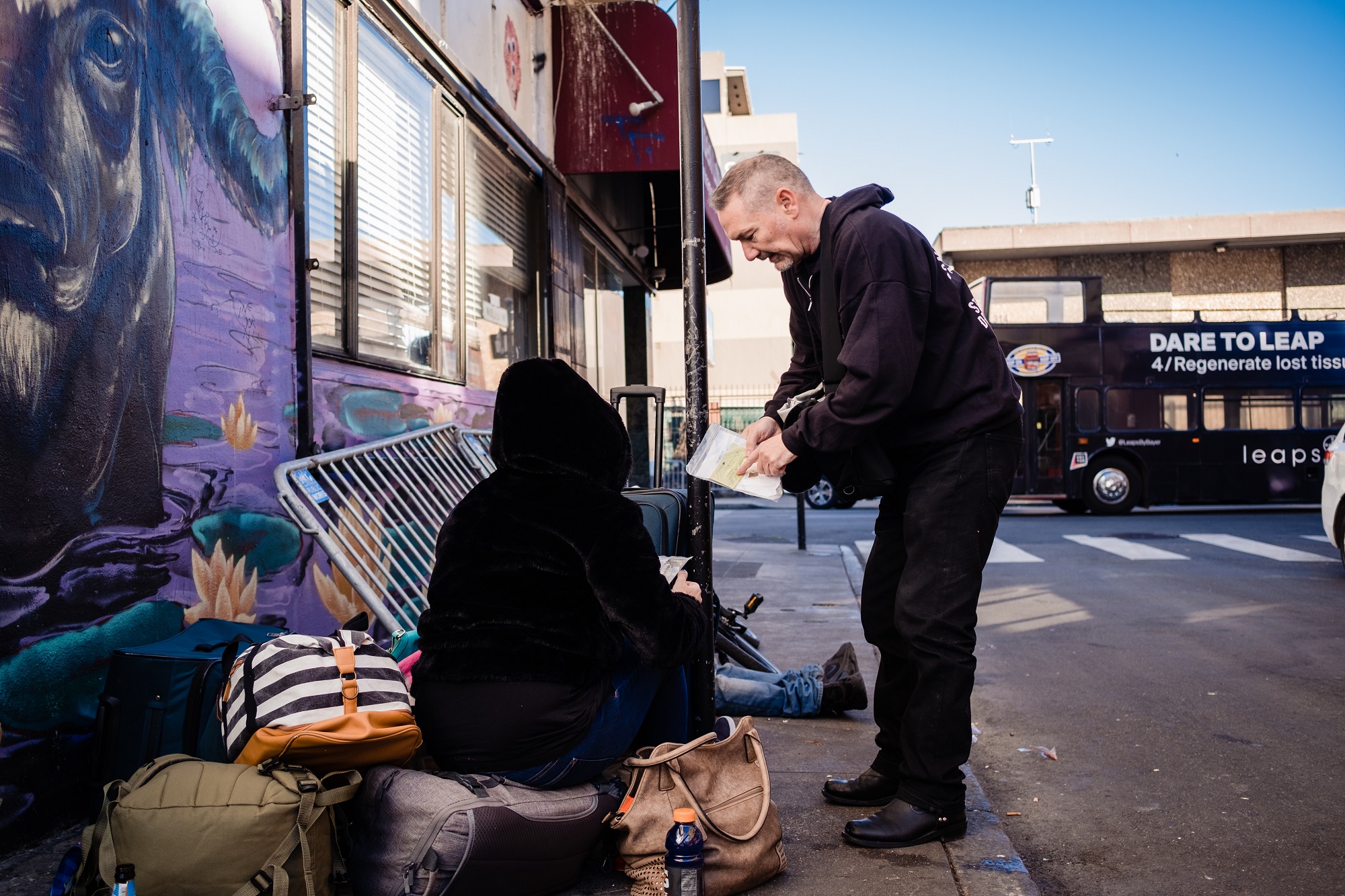
While San Francisco works to continue bringing down overdose death rates, the mayor’s office is also moving to cut spending within the Department of Public Health by $40 million over the next two years, partially in response to declines in funding from the Trump administration.
According to a memo filed with the city’s Health Commission, the department intends to reach that goal by eliminating over 120 full-time positions and cutting contracts with service providers, including peer counseling and harm reduction services.
In the same memo, Public Health Department officials note that Lurie’s office “also asked that harm reduction services that have negative collateral impacts on our communities be reevaluated.”
Records show the majority of people working in positions slated for elimination are being redeployed elsewhere in the department, with less than 10 staff members being laid off. Roughly 60% of eliminated positions are currently vacant.
“Those are very, very difficult discussions and they’re not things that I otherwise would have wanted to do at all, but for the enormity of the budget challenge and the hole that the Trump Medicaid cuts and some of the state Medicaid cuts have really put the city in,” Tsai said.