
It could now be possible for people to purchase their own piece of Elon Musk’s empire after the mogul made a move that is set to skyrocket his wealth.
Musk is already the richest man in the world and is on track to become the first trillionaire, but that doesn’t mean he is slowing down with his business moves anytime soon.
Now, the tech mogul has unveiled his plans for his space firm, SpaceX, to go public in the US.
This means that people will soon be able to trade the company’s shares in the stock market.
SpaceX is set to go public as soon as next month, with the firm itself being valued at a whopping $1.25 trillion.
If the listing goes ahead at that valuation, Musk’s majority stake in the business could be worth more than $600 billion alone, potentially pushing his total personal fortune past the $1 trillion mark.
Space is valued at a whopping $1.25 trillion (Samuel Boivin/NurPhoto via Getty Images)
The billionaire entrepreneur, who also runs Tesla, already became the first person in history to surpass a net worth of $500 billion last year.
A lot of SpaceX’s rapid growth has been driven by its satellite internet network Starlink, which has become one of the leading providers in the global space communications market.
Legal concerns have featured heavily in the IPO filing, with SpaceX warning investors that it expects more than half a billion dollars in legal costs, which is linked to a growing list of lawsuits.
Speaking to the BBC, Ruth Foxe-Blader, who is the managing partner at US venture capital firm Citrine Venture Partners, explained: told the BBC: “It’s not shocking for a project like this to be loss making, even at the point of IPO.”
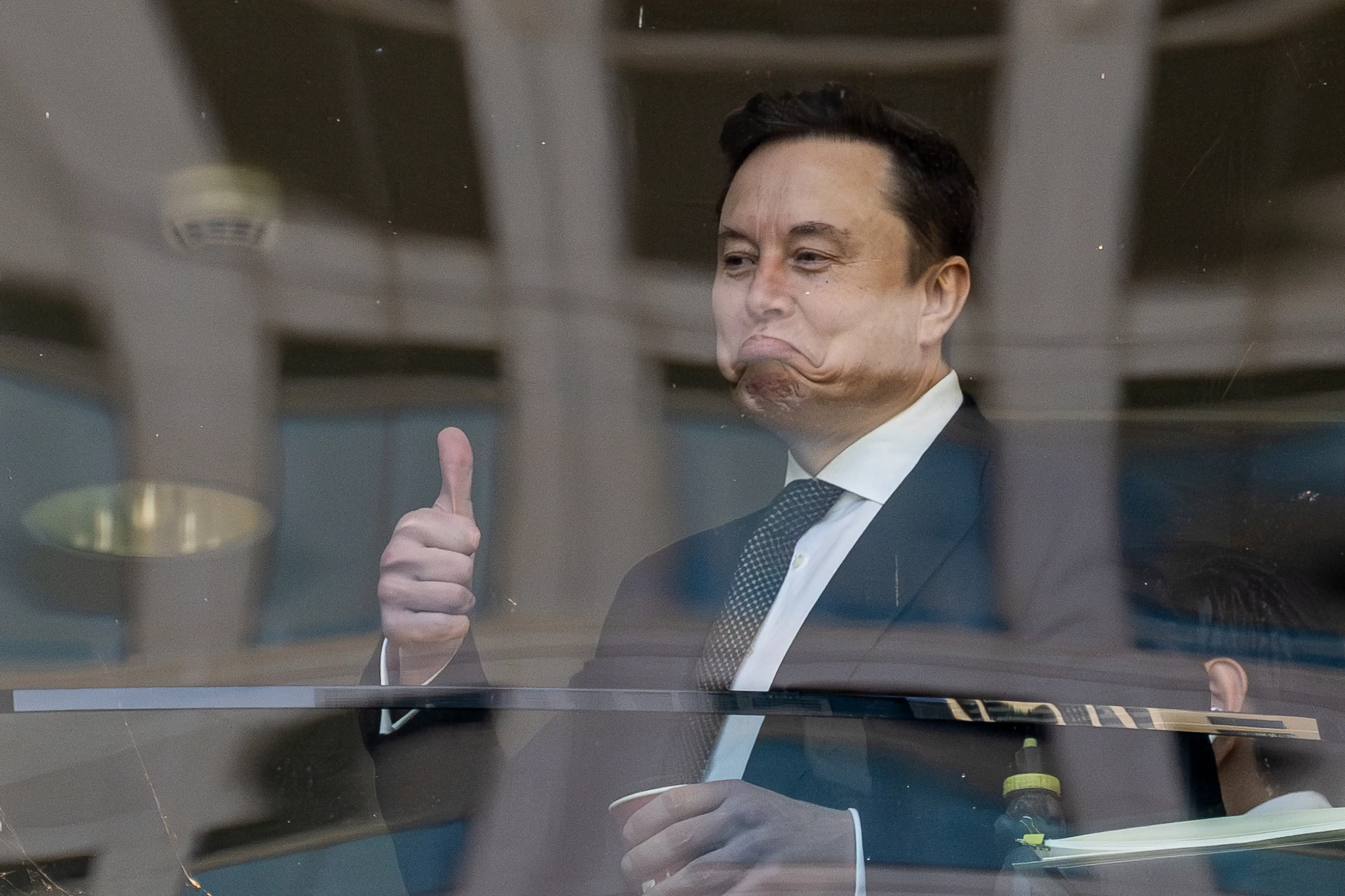
Elon Musk is taking his SpaceX firm public (David Paul Morris/Bloomberg via Getty Images)
She added: “SpaceX is just an absolutely sprawling, enormous project with so many different selling points, and so many points that really point to the future.”
The timing of the IPO news comes after Musk suffered a major courtroom defeat against OpenAI and CEO Sam Altman.
The billionaire had accused the AI company of breaking its founding agreement by restructuring it into a for-profit business.
The case included arguments over contracts, nonprofit obligations, company governance, and whether OpenAI violated its founding principles.
The AI company went on to publicly release emails and messages they said showed that Musk had once supported a for-profit direction.
In a unanimous verdict, the jury determined that Musk had waited too long to file his lawsuit, deciding that his claims had expired.