Tesla has spent years promising a future where cars drive themselves and fleets of robotaxis generate passive income for owners. The vision is bold, the technology ambitious—and investors have largely embraced the narrative. Yet a surprising regulatory gap is now raising eyebrows across the autonomous vehicle industry. Despite accelerating its robotaxi plans, Tesla has reportedly not applied for key exemptions that would allow fully driverless vehicles to operate without traditional controls like steering wheels and pedals.
The omission is more than a bureaucratic detail. It raises a fundamental question: is Tesla’s robotaxi timeline more aspirational than operational?
Company Overview
Tesla, led by CEO Elon Musk, has grown from a niche electric vehicle manufacturer into one of the most influential companies in the global auto industry. Its lineup—including the Model 3, Model Y, Model S, and Model X—has helped drive the mainstream adoption of electric vehicles while redefining expectations for automotive software and over-the-air updates.
Beyond cars, Tesla positions itself as an artificial intelligence and robotics company. Central to that narrative is its Full Self-Driving (FSD) software, which the company claims will eventually enable autonomous mobility at scale. Musk has repeatedly argued that once autonomy is solved, Tesla vehicles could operate as driverless taxis, transforming the company’s revenue model from car sales to transportation services.
This potential shift has become a key pillar of Tesla’s long-term valuation story.
Key Recent Developments
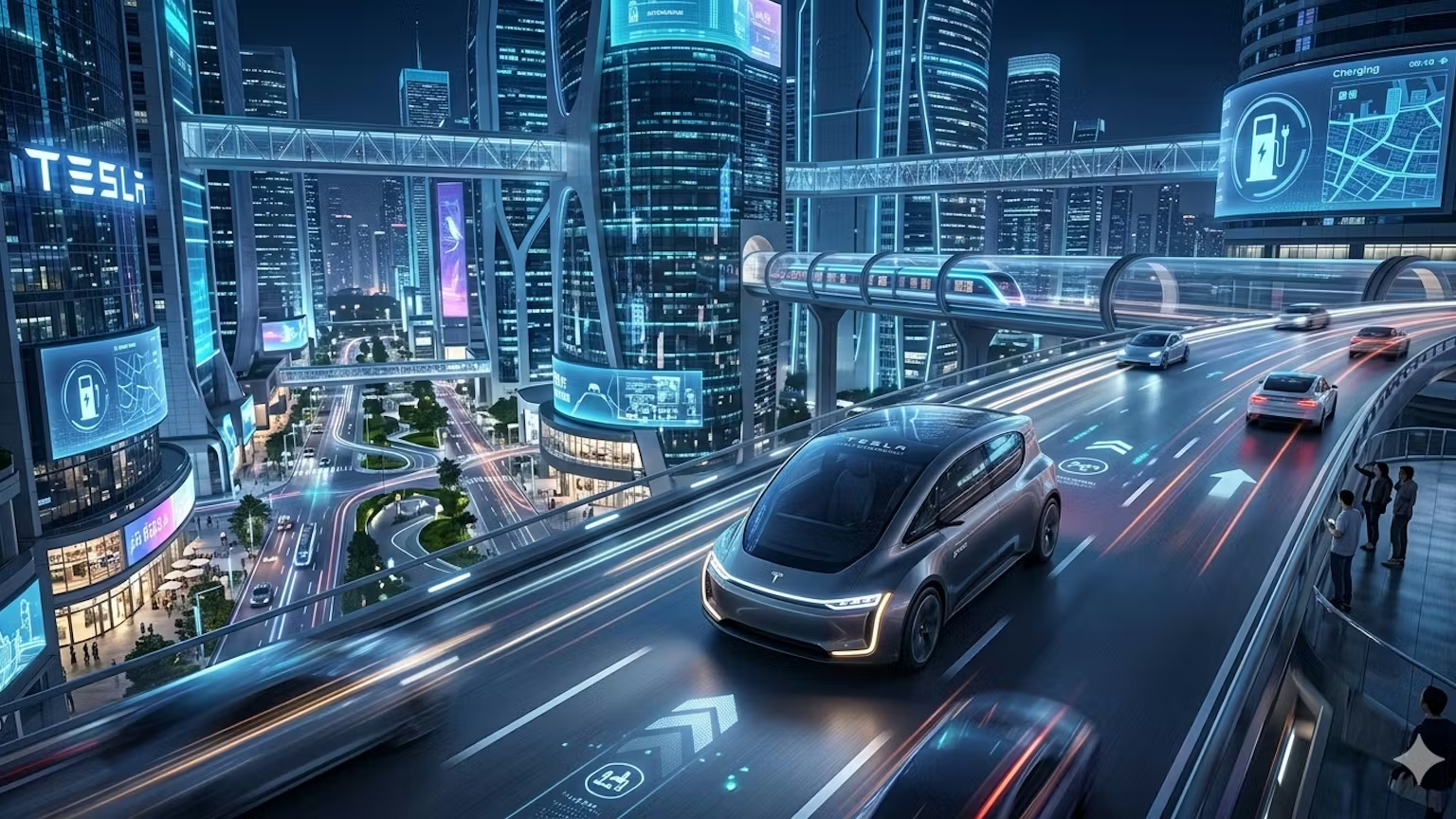
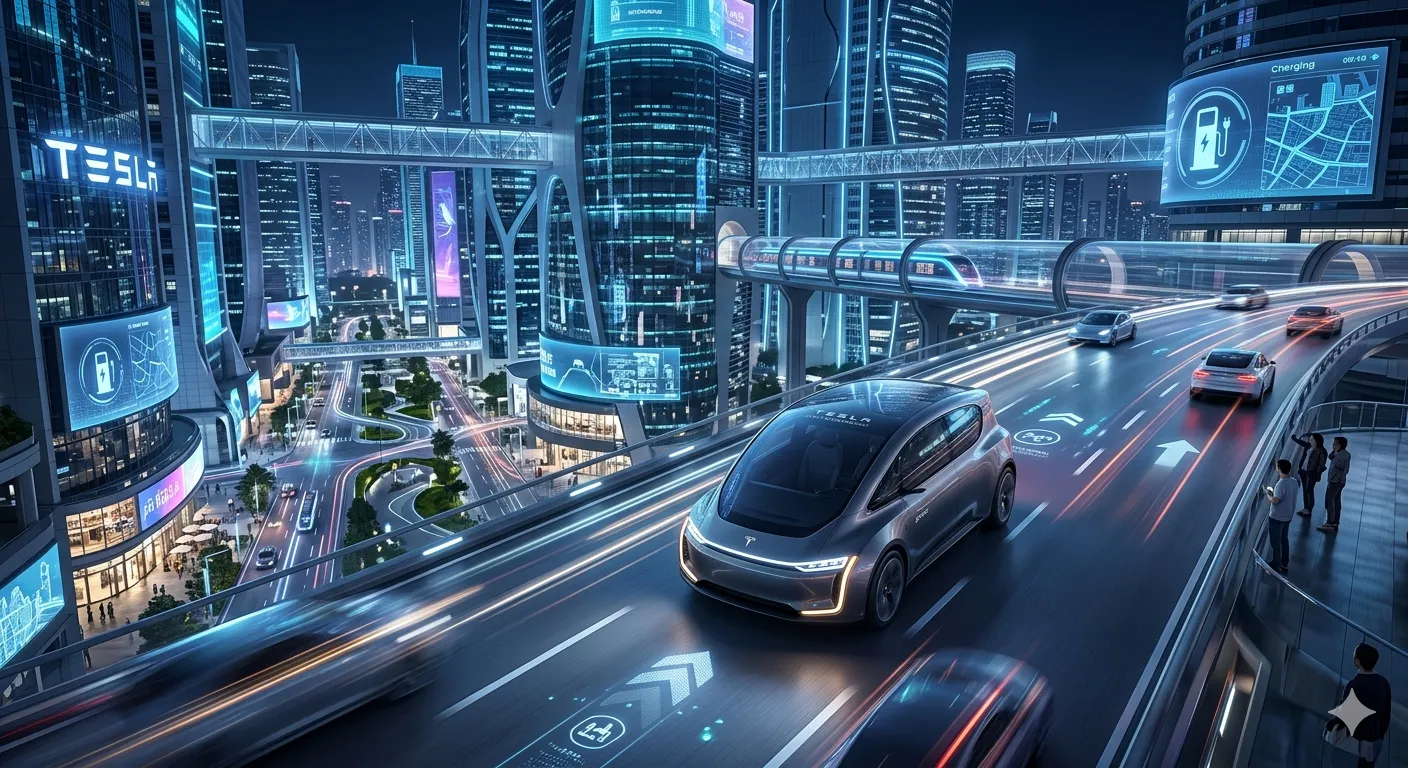
Tesla recently unveiled plans for a dedicated robotaxi platform expected to debut in the coming years. The vehicle is designed without traditional driver controls, signaling the company’s confidence in achieving full autonomy.
However, operating such vehicles legally in the United States typically requires regulatory exemptions from federal safety standards that mandate steering wheels, mirrors, and pedals. Several companies developing autonomous vehicles have already pursued these exemptions.
Tesla, surprisingly, has not yet filed the necessary applications.
The lack of regulatory engagement contrasts with the company’s public messaging around imminent robotaxi deployment. Industry observers note that obtaining approvals can take significant time and coordination with regulators. Without those exemptions, launching a vehicle designed without human controls becomes far more complicated.
This disconnect between vision and regulatory preparation is now drawing attention from analysts and policymakers alike.
The Company’s Competitive Moat
Tesla’s competitive advantage lies primarily in its integration of hardware, software, and data. Unlike many competitors, the company collects real-world driving data from millions of vehicles on the road. That massive dataset feeds its neural networks, helping improve its self-driving algorithms.
Tesla also designs its own AI chips and maintains tight control over its software ecosystem. This vertical integration allows faster iteration compared with traditional automakers that rely heavily on suppliers.
Another moat comes from brand power. Tesla remains synonymous with electric mobility and cutting-edge technology, giving it an unusual ability to command attention—and capital markets support—even during periods of controversy or uncertainty.
Yet autonomy remains one of the most technically and politically complex challenges in transportation.
SWOT Analysis
Tesla’s strengths are clear: a powerful brand, a massive installed vehicle base generating driving data, and a culture of rapid innovation. The company also benefits from strong margins in its software offerings and an ecosystem that spans energy storage, AI computing, and mobility.
However, weaknesses are becoming more visible. Tesla’s autonomous driving technology still operates under driver supervision, and regulatory scrutiny is increasing globally. The company’s reliance on a camera-only approach to autonomy remains controversial among industry experts who favor lidar-based systems.
Opportunities are enormous if Tesla successfully launches a robotaxi network. Autonomous ride-hailing could unlock recurring revenue streams far beyond vehicle sales. In theory, millions of Teslas could participate in a decentralized ride network, turning idle vehicles into income-generating assets.
But the threats are equally significant. Regulators are cautious after several high-profile accidents involving advanced driver-assistance systems. Competitors such as Waymo and Cruise have spent years navigating regulatory frameworks while running limited autonomous services. If Tesla falls behind in regulatory readiness, it risks losing first-mover advantage in the robotaxi market.
Conclusion
Tesla’s robotaxi ambitions remain one of the most fascinating stories in modern technology and finance. If the company succeeds, it could fundamentally reshape urban mobility and justify the extraordinary expectations embedded in its valuation.
Yet the path to autonomy is not just technological—it is deeply regulatory. Failing to pursue key exemptions while promoting a driverless vehicle strategy creates an uncomfortable mismatch between narrative and reality.
For investors, the robotaxi dream is still alive. But the timeline may depend less on software breakthroughs and more on how effectively Tesla engages with regulators.
In the race toward autonomous mobility, ambition alone may not be enough.
Support independent financial journalism. If you value deep, thoughtful analysis like this, consider becoming a supporter of this project.
Disclaimer:
This article is for informational purposes only and does not constitute investment advice.