

Introduction: The Enigma of Benjamin Netanyahu
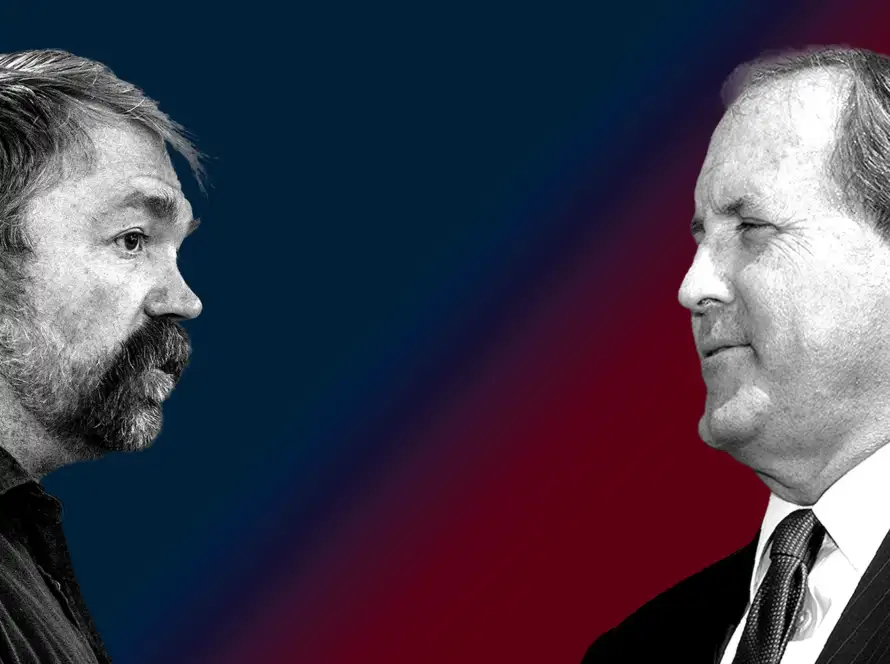
Benjamin Netanyahu stands as a significant yet contentious figure in Israeli politics, serving as the Prime Minister of Israel for over a decade across multiple terms. His political journey is not merely a tale of ambition but also a reflection of the complex dynamics present within Israeli society and international relations. A seasoned diplomat, Netanyahu has been at the forefront of numerous high-stakes negotiations and has played a pivotal role in shaping Israel’s foreign policy, particularly in its interactions with the United States.
Netanyahu’s ascendancy to power has certainly been marked by both exemplary diplomatic achievements and controversial decisions that have polarized the Israeli population and international observers. His approach to diplomacy often blends assertiveness with a strategic vision aimed at bolstering Israel’s security in a turbulent region. However, his leadership style and policies have sparked both fervent support and strong opposition, painting him as a multifaceted leader capable of inspiring loyalty among many Israelis while simultaneously drawing criticism from various political factions and civil society.
This critical review will delve deeper into Netanyahu’s dual identity as a diplomat and a leader often referred to as a deceiver by his detractors. The examination of his tenure illuminates the paradoxes inherent in his governance, particularly in relation to the Israeli-Palestinian conflict and America’s role in the region. Moreover, his rhetoric and policy decisions have frequently prompted questions about transparency and ethical leadership, which will be addressed through a nuanced critique in the sections that follow. Understanding Netanyahu’s enigma requires an exploration of the intricacies of his political maneuvers amidst the broader canvas of Israeli and global politics.
Historical Context: Worship and Idolatry in Israeli Culture
The complex relationship between worship and idolatry in Israeli culture has deep biblical roots, reflected in both ancient narratives and contemporary practices. In biblical times, the Israelites frequently veered into idol worship, turning away from the worship of Yahweh to follow the enticing rituals of surrounding nations. This historical context provides crucial insight into the modern Israeli identity, especially in relation to the Western Wall, one of the holiest sites in Judaism.
The act of worship in ancient Israel was often marked by a struggle against idolization of false gods. Figures such as Elijah challenged the worship of Baal, highlighting a societal conflict between monotheistic beliefs and the multi-faceted deities prevalent in neighboring cultures. Such historical accounts illustrate that the challenge of maintaining faith amidst external influences is not new to the Israeli people. Today, this cultural legacy resonates through various facets of Israeli society, where ancestral practices continue to shape religious observance.
The Western Wall, revered by millions, stands as a remnant of the Second Temple and symbolizes the enduring connection between the Jewish people and their spiritual heritage. However, rituals performed at this site might evoke an ambiguous relationship with ancient forms of worship. As worshippers gather to pray and leave notes in the crevices of the wall, there emerges a reflection of the past—a blend of devotion and the perils of idolatry. This interaction with an ancient site serves as a reminder of history’s significant role in contemporary belief systems.
The juxtaposition of biblical idol worship with modern practices prompts vital discussions on authentic faith versus ritualistic performance. Understanding these historical dynamics enriches the analysis of current ideologies, particularly in examining the influence they exert on national identity and political discourse within Israel today.
The Western Wall: A Site of Contention or Reverence?
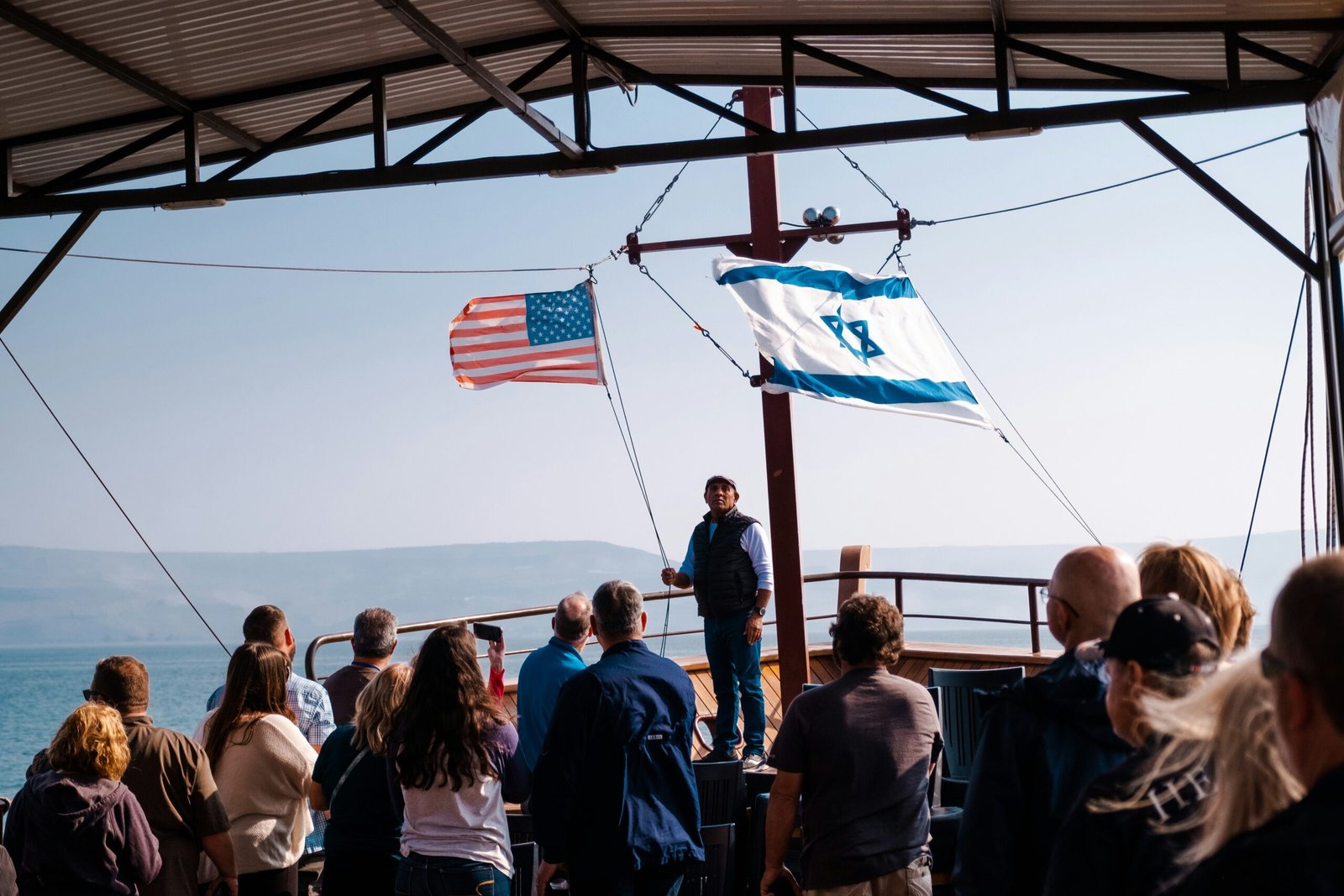
The Western Wall, also known as the Kotel, stands as one of the most revered sites in Judaism, symbolizing a connection to the Holy Temple and the Divine. Located in the Old City of Jerusalem, this ancient limestone wall attracts millions of visitors each year, who come to pray, reflect, and connect spiritually. For Jewish people, the Wall represents not only a historical remnant of a bygone era but also a focal point of faith, serving as a place for prayer and communal gatherings.
However, the significance of the Western Wall is layered with complexity, as it has become a point of contention in the broader religious and political landscape of Jerusalem. Restrictions on access and prayer practices have led to tensions, particularly concerning non-Jewish visitors, including Christians who wish to express their reverence. The delineation of prayer areas within the compound reflects a tension that many see as contradictory to the universal values of worship and interfaith respect.
The rituals performed at the Western Wall, such as placing written prayers in the crevices of the stones, are deeply ingrained in Jewish tradition, emphasizing the site’s sanctity. Yet, these specific practices raise questions about inclusivity, particularly when non-Jewish individuals may face limitations in their ability to participate in certain aspects of worship. The dynamic at play involves not only religious adherence but also the assertion of cultural identity and the implications of broader geopolitical conflicts.
In analyzing the Western Wall, it is crucial to consider both its role as a sacred site and the associated controversies, as they highlight the complexity of faith in a diverse and multifaceted society. The ongoing dialogues surrounding this revered wall illustrate the challenges of maintaining reverence while navigating issues of accessibility, inclusion, and respect among various faith communities.
Benjamin Netanyahu’s approach to diplomacy has often been characterized by a series of strategic maneuvers that some observers interpret as manipulative tactics. Central to his diplomatic engagements, particularly with American leaders, is a methodology that combines extensive political acumen with persuasive rhetoric. This has led to discussions surrounding whether Netanyahu’s efforts are driven by a genuine commitment to diplomacy or if they veer into the territory of deception.
One notable instance that underscores these allegations involves Netanyahu’s engagement with the rituals associated with the Western Wall in Jerusalem. Critics argue that he has utilized this sacred site to further his political agenda, positioning it as a symbol of Israeli sovereignty while simultaneously courting favor with the American political establishment. By presenting the issue in a way that appeals to American values, he has been able to influence public perception and garner support from both political leaders and the broader American populace.
Moreover, public opinion on Netanyahu’s influence reveals a complex landscape. Supporters often laud his ability to navigate the intricate relationship between the United States and Israel, viewing his tactics as shrewd diplomacy rather than manipulation. Conversely, detractors highlight instances where his approaches seem designed to mislead or misrepresent the realities surrounding Israeli interests, suggesting an ulterior motive behind his engagements. This dichotomy illustrates the challenge of assessing his diplomatic strategies, raising questions about their ethical implications.
As Netanyahu continues to engage with international leaders, the scrutiny of his tactics reveals an ongoing debate regarding the line between effective diplomacy and manipulation. Such discussions not only shape perceptions of his leadership but also influence the broader narrative surrounding Israel’s position on the global stage.
Satanic Worship: Myths and Realities
The discourse surrounding alleged satanic worship in relation to public figures, including Benjamin Netanyahu, raises significant questions regarding the intersections of myth, political contextualization, and public perception. Historically, the term “satanic worship” has been employed not only to label a set of esoteric religious practices but also to serve as a powerful weapon in political rhetoric, often used to dehumanize or vilify opponents.
In the realm of political discourse, accusations of satanic activities can have exacerbating effects, manifesting as a potent tool for political intimidation or as a method to cast doubt on the legitimacy of a leader’s moral compass. These accusations often emerge in polarized political environments, where societal grievances are intertwined with fears surrounding the moral integrity of those in power. Consequently, such allegations can skew public perception, challenging the credibility of leaders based on conjecture rather than substantiated evidence.
Specific claims regarding Netanyahu’s alleged affiliations with satanic practices reflect an underlying cultural tendency to associate political leadership with evil, particularly in regions or contexts marked by religious fervor. This association is not unique to Netanyahu; however, the application of such rhetoric can amplify existing societal divides, enabling individuals and groups to present themselves as defenders of a “virtuous” culture against perceived threats. The implications of such allegations also extend to broader conversations about religious practices, blurring the lines between legitimate spiritual expressions and the denouncement of practices deemed strange or foreign.
Ultimately, while myths surrounding satanic worship proliferate within political dialogues, the realities often betray more about the accusers and the socio-political landscape than about the individuals being accused. Analyzing these themes invites critical reflection on the complexities of faith, politics, and public personas in contemporary society.
Child Exploitation: Dark Allegations and Political Implications
The issue of child exploitation remains a deeply troubling concern within Israeli society, with serious allegations surfacing that tie these issues to the governance under Benjamin Netanyahu. Reports have alleged various forms of exploitation, ranging from trafficking to systemic failures in child protection services. These abuses, coupled with historical instances of negligence, raise critical questions about the role of leadership in safeguarding vulnerable populations.
Under Netanyahu’s administration, there have been discussions surrounding the efficacy of existing laws designed to protect children, raising suspicion that political strategies may overshadow necessary reforms. Critics argue that the focus on national security, governmental stability, and diplomatic relations has led to insufficient attention being paid to social justice issues, including child welfare. The prioritization of political agendas frequently results in the sidelining of pressing societal problems, which raises grave concerns about the moral underpinnings of leadership.
The public response has been mixed, reflecting a society grappling with its conscience. On one hand, grassroots movements and organizations have emerged, advocating for more stringent measures to combat child exploitation. Activists are increasingly vocal in demanding accountability from government officials, including Netanyahu, which has led to renewed debates about the intersections of politics, social policy, and ethical responsibility.
Furthermore, these allegations of child exploitation present a sociopolitical conundrum, exposing underlying systemic issues such as poverty, inequality, and corruption. In a country where political tensions run high, discussions regarding child welfare often become entangled with broader national narratives, complicating the pursuit of justice. As Israel continues to navigate its complex landscape, the ramifications of these dark allegations could have profound implications for both domestic policy and international perception.
Christian Perspectives: Banned from a Sacred Space
The Western Wall, an iconic symbol of Jewish faith and history, also holds significant theological importance for Christians around the globe. However, the increasing restrictions that Christians face in accessing this sacred site have raised substantial concerns. Many believers report experiences of social and religious marginalization at the Wall, intensifying feelings of exclusion amid its cherished heritage. These challenges reflect broader societal dynamics, where religious affiliations may lead to different levels of access and acceptance within the same geographical context.
Some incidents highlight the tension experienced by Christians visiting the Western Wall. Restrictions on prayer and worship practices raise questions about the extent to which Christian traditions can be acknowledged in a space predominantly associated with Jewish spirituality. Reports have emerged noting that pilgrims seeking to express their faith openly often encounter resistance, whether from authorities or other visitors. Such experiences underscore the complex identities that intertwine at this sacred site, revealing the nuances of interfaith relations in contemporary Israel.
From a theological perspective, these restrictions can be seen as symptomatic of broader issues within religious dialogue. Many Christian denominations perceive the Western Wall not solely through a Jewish lens but recognize it as a shared sacred space that embodies historical and spiritual significance for multiple faiths. The limitation of access for Christians can cultivate a sense of alienation, leading to heightened frustration among international Christian communities. Reactions from these communities have ranged from advocating for greater inclusivity to condemning practices that limit the right to religious expression.
In light of these challenges, it becomes vital to engage in discussions surrounding interfaith dialogue, tolerance, and mutual respect. The call for collaborative efforts to ensure the accessibility of sacred spaces, including the Western Wall, is crucial for fostering healthier religious relationships. Acknowledging the spiritual significance of multiple faith traditions in these spaces may pave the way for enhanced understanding and coexistence, reinforcing the need for inclusive practices in sites celebrated for their sanctity.
Public Perception and Media Representation
Benjamin Netanyahu’s tenure as Israel’s Prime Minister has been characterized by a significant media presence that shapes public perception in both supportive and critical narratives. The various portrayals of Netanyahu across different media platforms function to frame his image as either a skilled diplomat or a controversial figure. Supportive narratives often highlight his economic policies, security measures, and diplomatic achievements, particularly in relation to fostering international alliances, notably with the United States and several Arab countries. On the other hand, critical media representations focus on controversial decisions regarding settlements, military engagements, and alleged corruption charges, which have sparked significant debate among the Israeli public.
The role of media is integral in shaping public opinion on Netanyahu’s actions and policies. News outlets, both local and international, have the power to influence perceptions by emphasizing particular facets of his leadership. For instance, reporters may choose to highlight his strategic maneuvers, such as his stance on Iran’s nuclear program, which resonates positively among his supporters. Conversely, the framing of his policies as aggressive or detrimental to peace can alienate segments of the population, particularly those in favor of diplomatic resolutions.
Furthermore, social media platforms play a crucial role in amplifying both positive and negative narratives concerning Netanyahu. The immediate and widespread nature of online communication allows for a dynamic exchange of views, where supporters can share accomplishments while critics readily disseminate opposing viewpoints. This duality complicates his political standing, as differing public perceptions can lead to polarized segments of the electorate. Ultimately, the interplay between media representation and the resultant public perception remains a vital aspect of Netanyahu’s ongoing political narrative, impacting his governance and electoral viability.
Conclusion: The Legacy of Netanyahu’s Leadership
The tenure of Benjamin Netanyahu as a political figure in Israel stands as a pivotal chapter in the complex narrative of Israeli diplomacy. Over his years in office, Netanyahu has shaped not only the domestic landscape but also the international perception of Israel, particularly in its relations with the United States and the broader Middle East. His approach has been characterized by a blend of assertive strategies and controversial decisions, which have elicited diverse reactions, ranging from fervent support to staunch opposition.
Netanyahu’s legacy as a leader can be viewed through the dual lens of a diplomat and a deceiver. As a diplomat, he successfully forged alliances with nations that were once considered adversaries, enhancing Israel’s security through diplomatic negotiations and traditional statecraft. The normalization agreements with several Arab nations marked a significant milestone in Israeli foreign policy, demonstrating his diplomatic acumen. However, his critics argue that such policies sometimes came at the cost of unfulfilled promises regarding peace talks with the Palestinians, thus raising questions about the long-term sustainability of these diplomatic achievements.
The implications of Netanyahu’s leadership extend beyond mere diplomatic engagements; they also reflect on the intricate relationship between religion and politics within Israel. His reliance on religious parties to govern has arguably altered the political fabric of the nation, potentially polarizing the electorate. Looking ahead, the questions remain: What will the future of Israeli diplomacy look like post-Netanyahu, and how will it affect Israel’s relationships, particularly with the United States? Furthermore, how will the intertwining of religion and governance evolve in shaping policies? The answers to these questions will be crucial in determining the trajectory of Israel’s political landscape in the years to come.