
You May Also Like


Three people are dead and three others are sickened in a suspected hantavirus outbreak on a Dutch cruise ship that was sailing in the Atlantic ocean, the World Health Organization (WHO) said yesterday.
“To date, one case of hantavirus infection has been laboratory confirmed, and there are five additional suspected cases. Of the six affected individuals, three have died and one is currently in intensive care in South Africa,” WHO posted on X. “While rare, hantavirus may spread between people, and can lead to severe respiratory illness and requires careful patient monitoring, support and response.”
While rare, hantavirus may spread between people.
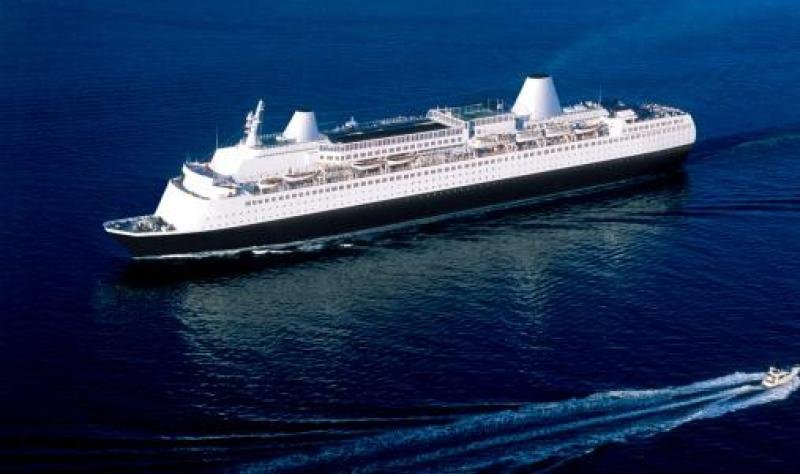
The illnesses occurred on the polar cruise ship MV Hondius, which was traveling between Argentina and the Canary Island and departed Ushuaia, Argentina, three weeks ago. Among the three fatalities are an elderly couple from the Netherlands.
Two sick patients remain on board the ship, and are awaiting medical evacuation to the Netherlands, the WHO said. The WHO estimates 150 people, including passengers and crew, remain on the ship, which is anchored near Cape Verde. Passengers are being told to stay in their cabins while the ship is cleaned and sanitized.
Strain of virus likely from South America
This is the first known outbreak of hantavirus associated with cruise ships. The virus is carried by rodents; humans contract the virus via inhalation of animal droppings and urine. Rarely, person-to-person transmission has been reported.
“Outbreaks of hantavirus have not previously been reported in association with cruise ships,” Nicole M. Iovine, MD, PhD, of the University of Florida, told CIDRAP News. “It is possible, though, that isolated illnesses have occurred in the past and not recognized to be caused by hantavirus.”
The strain of hantavirus involved in this outbreak is unknown, but Daniel Lucey, MD, MPH, of Dartmouth University, said there are important clues. First, patients reported respiratory symptoms, which suggests a strain that infects the lungs. The Andes strain is found mostly in South America, while the Sin Nombre strain was first discovered in the southwest United States in 1993. Both of these strains from the Americas can cause severe respiratory illness and are fatal in about 38% of cases.
The cruise ship is Dutch, but the three main European strains of the hantavirus do not cause lung disease, Lucey explained. Instead, those strains attack the kidneys, and no person-to-person transmission has been documented with European strains.
“Only Andes is sometimes contagious person-to-person, through close contacts, as best established when the virus is transmitted from a patient to a health care provider,” Lucey said. “In other settings, two or more infected people might have been exposed to aerosolized virus found in rodent urine, droppings or saliva, especially given that the virus can persist for days in the environment.”
Lucey emphasized that it’s still not clear how the six patients on the cruise ship were infected. Iovine said the outbreak is likely an extremely rare event.
“However if a passenger were to see rodents like mice or rats on their ship, or if they saw potential rodent droppings or urine, they should avoid the area and notify cruise personnel,” she said. “Since the virus can be aerosolized by cleaning, it’s important that the room be left vacant for approximately 90 minutes to allow sufficient air exchange so that the air is safe.”
