

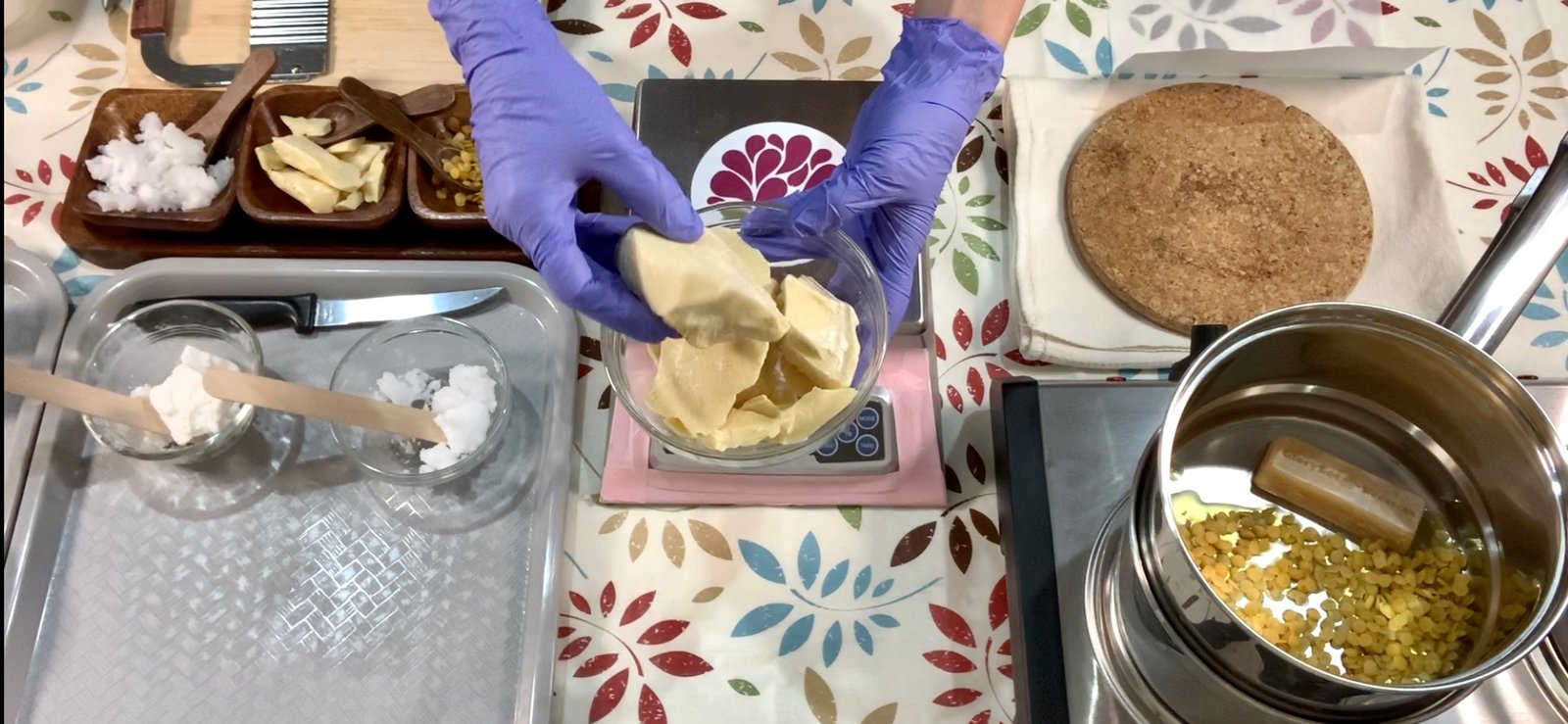
Skincare is looking quite different these days. Consumers are skipping expensive products for items made in their kitchens with grocery ingredients. This decision is driven by economic pressures and a desire for ingredient transparency. The do it yourself (DIY) skincare trend is booming in 2026; 54% of beauty executives cited a shift in consumer demand as a major threat to traditional growth.
It is no longer just a hobby; it’s a full-out movement. Many are turning to natural ingredients like honey and oats, avocado and yogurt, trusting their known health benefits to transform their skin and complement their self-care rituals. This trend also supports sustainability efforts: DIY products are usually low in waste and packaged with ethically sourced materials.
The DIY revolution extends to local businesses, as well. North America’s handmade soap market is demonstrating significant expansion, with U.S. demand projected to grow at an annual growth rate of 3.2% through 2030, according to data from Cognitive Market Research.
For some people, their reason for participating in the trend is economic growth. In a recent Forbes article, women were cited as taking up ownership of 40% of new businesses, with income expansion being amongst the top reasons for this trend. Natural, plant-based skincare retail is amongst the top businesses that women are creating.
Story continues below advertisement
While it may seem like a foolproof opportunity to venture into, there are several important things to know before diving into product making. Two beauty industry experts shared their insights on the skincare industry and product making.
“Start with basic, non-active products that support the barrier before moving on to more expensive, sophisticated formulas,” said Shannon Carter-Gascon, a licensed esthetician for 23 years.
After her career of boots-on-the-ground work in corrective skincare, Carter-Gascon, a licensed esthetician and founder of Seven: Thirty is sharing insight for those looking to enter the industry. For those balancing college with entrepreneurial goals, she said that hands-on experience is the most critical asset.
“Anything hands-on, such as internships in a cosmetic lab or a skincare clinic,” Carter-Gascon said, “Working hands-on with skin gives you a level of understanding you can’t get any other way,” Carter-Gascon added.
“The foundation as an esthetician allows a formulator to understand how skin behaves day to day, ensuring products work in real-world use rather than just in theory.”
For those with limited time or resources, she suggests hiring a consultant. “I’ve worked with other indie brands to help them through the formulation process to save money and time,” said Carter-Gascon. Consultants can also help navigate the regulatory hurdles of FDA labeling and safety standards.
“Formulating safe skincare products requires a focus on preservation, proper pH balance, and regulatory compliance, particularly when moving from DIY to professional production.” Key safety measures include using consultants for FDA regulations, ensuring ingredient compatibility, and conducting multiple testing iterations for stability and safety.
For students starting their own lines, she recommends focusing on results over beauty trends. “The skin doesn’t care what’s trending,” said Carter-Gascon. “If the goal is long-term skin health, I’d recommend focusing on fundamentals.”
Beyond technical skills, she points to qualities often missed in the classroom. “Having empathy is hands-on the most important skill, followed by excellent communication, critical thinking, and the ability to pick up on social cues.” Ultimately, she says, the goal is “creating an experience for the consumer to help them feel good in their skin.”
What Carter-Gascon shared is key when formulating facial care products. It’s important to understand that the skin on the face is different from the skin on the rest of the body. The skin on the face is more alkaline than the skin on the body, making it call for a different set of care products because of its susceptibility to irritants and sensitivities. A common mistake made in the use of skincare products is the use of body care products on the face. While most carrier oils and butters can be used on the face, caution should be made here too. Oils and butters each have their own comedogenic rating. A comedogenic rating determines how likely they are to cause the formation of comedones, also known as blackheads or whiteheads. Comedones, when left untreated, can cause acne. Oils and butters are usually the ingredients that carry your active ingredients to your skin. Active ingredients are your acids, essential oils and even some vitamins. A common misconception is that a product is safe for the face because the carrier is. Active ingredients must be used in precise measurements to avoid unfavorable effects on the skin. The skin on the body could do well with a DIY product that contains a free styled mix of ingredients, putting the same product on the face could possibly damage the skin indefinitely.
Lori Nova-Endres, another industry expert shares advice on safely and effectively handmaking body care. People eager to turn DIY skin care and bath products into a business should start with safety, solid instruction and labels that meet requirements while remaining wary of misinformation. “Try to find a reputable teacher, and don’t believe everything you see online,” said Nova-Endres
In 2003, Nova-Endres started a studio in Point Richmond that was centered around teaching people how to make natural bath and body products. Since relocating to Ohio, she has primarily been teaching online.
“There is so much information out there, the opposite problem from when I started,” said Nova-Endres, “some of it is either only partly true, or just straight-up false.” She used “fruity essential oils like strawberry and mango,” as an example of false information.
When it comes to products meant for sale, she urged extra caution with formulas that include water. “You have to be particularly careful with products that have anything in it that’s hydrated,” she said. “Water is the birthplace of all bacteria. You’ve got yeast, bacteria, mold, and fungus,” she said, adding that preservation is “sort of next-level type of a thing” — “so if you have any thought that you want to sell lotions or creams, and they are water-based, taking a course is a must.”
Even when makers learn a basic method, she said ingredient changes can create risk. She described a recent inquiry from someone who learned how to make lotions and creams but wanted to add goat’s milk. “Anything you put in a lotion or cream that’s water-based or has a liquid that could grow things, makes the product extremely hard to preserve,” said Nova-Endres.
She takes the same approach to delicate areas. “I see people doing eye creams, they look like really small companies, and they likely don’t have the budget to do professional lab testing. So, I would not trust putting anything around my eyes that was water-based that I didn’t know was a reputable company that does appropriate testing.”
For makers determined to sell water-based items — or work with caustic ingredients — she said instruction matters. “If you’re trying to learn how to make something like a lotion or a cream that’s water-based, or cold process soap where you have to use lye, those are the ones where it’s really important to get somebody who’s knowledgeable to learn from them.” said Nova – Endres “If we’re making these products for our friends and family that we love, the last thing we want to do is give them some sort of a problem, irritate their skin, or, worst case scenario, give them some sort of an infection.”
Nova-Endres said a good place to start is the product you’re most excited about. But she cautioned that some popular items require patience: Cold process soap, for instance, “you make it on one day, then it sits for 4-6 weeks to cure. It’s a very long process,” said Nova – Endres.
She recommended starting with products that are “very easy and very accessible and also kind of fun,” such as bath salts or bath soaks, adding maybe a few herbs, some milk powders, or something like that. […] Face masks are also really fun and pretty easy,” said Nova-Endres, continuing that for masks, she emphasized dry formulas, which customers can add liquids to separately when those customers use the masks.
Another entry point is natural perfumery, which she called “pretty easy and accessible,” especially roll-ons with an oil base. “I do jojoba as the base, because it lasts a long time, so, I would say get into the roll-ons for aromatherapy or for perfumery, but both with essential oils.”
Regulations are another thing to consider and can vary depending on where a maker lives, Nova-Endres explained. “Different states are different, so you really have to look at the state where you live and see if there are any specific regulations for bath and body product makers.”
Ultimately, she believes that makers should focus on safety and experience before selling. “make sure you have good, clean products and that you have enough knowledge before you start selling,” she explained. “Use yourself and your friends and family as guinea pigs,” she then added, “I’ve tried all of my products on myself.”